
How to Turn a Raster Image into a Vector Format
In the realm of digital graphics, the distinction between raster and vector images is crucial. Raster images, also known as bitmap images, are made up of pixels, which makes them resolution-dependent. This means that when you scale a raster image, it loses quality and often becomes blurry. On the other hand, vector images are created using mathematical equations, which allows them to be infinitely scaled without any loss of quality. Given these advantages, converting a raster image into vector format is a common task for those who want to enhance their digital designs, especially for purposes like printing or embossing.
Understanding Raster and Vector Formats
Raster images are commonly used for photographs and detailed images. They consist of a fixed set of pixels, each with a specific color value. Due to this, the quality of a raster image can degrade when resized. Common raster file formats include JPEG, PNG, and GIF. In contrast, vector images are built using paths defined by a start and end point along with other points, lines, and curves, creating polygons and other shapes. Popular vector formats include SVG, EPS, and AI.
Why Convert Raster Images to Vector?
There are several advantages to converting a raster image into a vector format. First, vectors can be scaled to any size without losing quality, which is essential for creating high-quality prints, such as banners, posters, or merchandise. Second, vector files tend to be smaller and more efficient for computer storage. Finally, vectors allow for easy editing: colors can be changed, and shapes can be adjusted without compromising the overall design.
Methods for Raster to Vector Conversion
Manual Digitization
This process involves manually tracing over the raster image using a vector editing program. While time-consuming, manual digitization gives precise control over the final output. Software like Adobe Illustrator is popular for such tasks as it provides robust tools for creating detailed vector paths.
Automatic Vectorization Software
If manual digitization sounds daunting, automatic vectorization software can serve as an excellent alternative. Programs such as Vector Magic and CorelDRAW offer features that can automate the tracing process while allowing some level of manual refinement. These vector art services online cater to users looking for a quicker method without losing the customization options.
Professional Vector Conversion Services
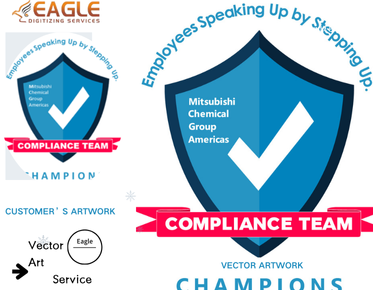
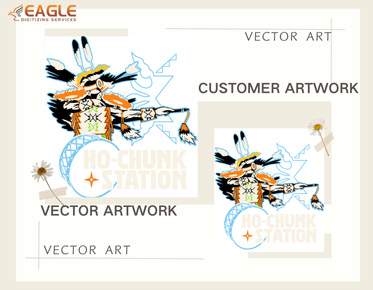
For those who require high precision and quality, or those lacking the time or software proficiency, professional vector conversion services can be a viable solution. Companies like Eagle Digitizing provide comprehensive vector conversion services that offer a blend of speed and expertise, making them suitable for small to midsize businesses that need quick and flawless results【4:0†source】 .
Choosing the Right Service Provider
When selecting a service provider for vector conversion, it’s important to consider factors such as turnaround time, pricing, service range, and customer feedback. Some providers specialize in raster to vector conversion, ensuring that every project meets high-quality standards. Online reviews and testimonials can provide insight into the provider's reliability and customer satisfaction levels【4:2†source】.
Implementing Vectorization for Business
Many businesses, especially in the printing sector, benefit significantly from vectorization. Print shops, custom t-shirt stores, and marketing agencies often rely on vector images for their crispness and scalability. For example, promotional materials, logos, and intricate designs destined for garment printing can be enhanced through vector conversion, ensuring high-quality output regardless of the medium. Eagle Digitizing, known for their efficiency and quality, frequently assists companies in achieving optimum results tailored to their needs.
Looking Ahead: The Future of Vector Graphics
The importance of vector graphics is poised to grow as the demand for high-resolution outputs continues to rise in digital marketing and production. As software becomes more intuitive, we might expect even more automated features and AI advancements, making the vectorization process faster and more accessible. Meanwhile, industry leaders like Eagle Digitizing continue to refine their craft, promising even greater adaptability and creative freedom for designers and businesses alike.