
When Vector Conversion Should Be Avoided Entirely
Vector conversion is a widely used technique in graphic design, particularly for creating scalable and high-quality images. However, there are scenarios when vector conversion should be approached with caution or avoided entirely. Understanding these situations can save significant time and resources.
Understanding Vector Conversion
Vector conversion involves converting raster images, which are pixel-based, into vector images, which use mathematical paths for scalability. This process is commonly used in industries like screen printing and digital printing, where high-quality scalable images are essential.
Incompatibility with Complex Color Gradients
One key situation where you might avoid vector conversion is when dealing with complex color gradients. Vector images struggle with intricate color variations because they represent colors in flat fields. For example, a photographic image with a rich, gradient sky might lose its visual depth when converted to a vector format. Instead, raster graphics retain these subtle variations better and maintain the original image quality.
Photorealistic Images and Textures
Photorealistic images, especially those used in digital photo editing, should remain raster to maintain their detail and shading. Vector formats are not well-suited for images that contain detailed textures or photographic elements. Attempting to convert such sources might result in a loss of detail and an unnatural look that doesn't do justice to the original photographic quality.
vector art servicesThe choice between vector and raster should rely on the design needs. If your art requires intricate details or photorealism, sticking with raster formats is advisable. Using services specialized in vector graphics might not yield the desired results for highly detailed photographs.
Scalability Versus Detail
Vector graphics are ideal for logos and illustrations due to their scalability. When enlarging a vector graphic, the image remains clean and sharp, whereas raster images might become pixelated. However, in cases where detail is more critical than scalability, retaining the raster format is beneficial. Sometimes, scaling effects like shadows or reflections may not translate well when converting to a vector format.
Situations Not Ideal for Vectorization
image vectorization services address the needs of creating scalable images, yet they are not universal solutions. Vector conversion should be avoided for:
- Photographs with a broad range of colors and shades.
- Highly detailed images with intricate textures.
- Designs that require photo-realistic quality.
Understanding When Vector Conversion Works Best
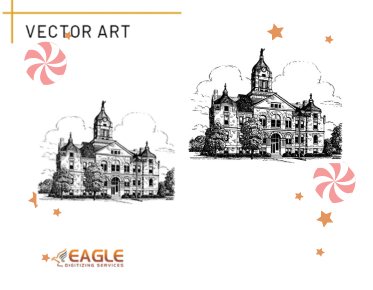
Despite these limitations, vector conversion is an outstanding method for tasks where high resolution is essential—provided that the image characteristics align with the strengths of vector graphics. For instance, logos, illustrations, and typographic art greatly benefit from vectorization due to the inherent need for scalability and clarity in these designs.
The Role of Professional Services in Vector Conversion
Companies like Eagle Digitizing offer specialized vector conversion services suitable for all needs relating to marketing, promotional products, and more. Their services ensure quality output by using advanced software and skilled teams to handle orders with high precision and attention to detail. The benefits of opting for professional services include accurate results and efficient turnaround times, even for complex designs.
In conclusion, vector conversion can significantly enhance the quality and usability of graphic designs. However, recognizing its limitations is vital to ensure that the final image meets the project requirements. As we embrace the future of digital design, understanding when and how to apply vector and raster techniques will remain pivotal in achieving desired outcomes.
With the increasing availability of sophisticated conversion tools and expert services, it will be exciting to see how the design industry adapts and innovates, particularly in balancing detail and scalability. What trends do you foresee in the graphic design realm as technology evolves?