
Why Lettering Is the Most Difficult Element to Digitize
Embroidery digitizing is a complex art that transforms artwork into a format that embroidery machines can understand. Among the various elements involved in this process, lettering stands out as one of the most challenging components to digitize. This difficulty arises from several factors, including the intricacy of fonts, the precision required in stitch placement, and the limitations of embroidery machines. Understanding these challenges is crucial for anyone involved in the embroidery industry, whether you're a seasoned professional or a business owner looking to enhance your product offerings.
The Complexity of Fonts
Fonts come in a vast array of styles, each with its own unique characteristics. From serif to sans-serif, script to decorative, each font presents its own set of challenges when it comes to digitizing. The intricacy of fonts means that each letter must be carefully analyzed and digitized to ensure that it maintains its intended appearance when stitched. This requires a deep understanding of both the font itself and the capabilities of the embroidery machine being used.
Precision in Stitch Placement
Lettering requires a high level of precision in stitch placement to ensure that each letter is clear and legible. This is particularly challenging with smaller text, where even a slight misalignment can result in letters that are difficult to read. The digitizer must carefully plan the path of the needle to ensure that each stitch is placed correctly, taking into account factors such as stitch density and direction. This precision is essential for achieving a professional-looking result.
Machine Limitations
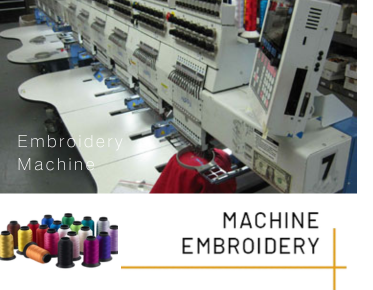
Embroidery machines have inherent limitations that can make digitizing lettering particularly challenging. For example, machines have a minimum stitch length, which can make it difficult to accurately reproduce fine details in small text. Additionally, the tension and speed of the machine can affect the final appearance of the lettering, requiring the digitizer to make adjustments to the design to compensate for these factors. Understanding these limitations is crucial for achieving the best possible results.
Overcoming the Challenges
Despite these challenges, there are ways to overcome the difficulties associated with digitizing lettering. One approach is to use specialized software that is designed to handle the intricacies of fonts and lettering. This software can help automate some of the more complex aspects of the digitizing process, making it easier to achieve a high-quality result. Additionally, working with experienced digitizers, such as those at Eagle Digitizing, can ensure that your designs are handled with the care and expertise they require.
The Role of Eagle Digitizing
Eagle Digitizing has been a leader in the embroidery digitizing industry for over 25 years, offering a range of services that cater to the unique needs of their clients. Their team of skilled digitizers is well-versed in the latest techniques and technologies, ensuring that each design is digitized with precision and care. By focusing on quality and customer satisfaction, Eagle Digitizing helps businesses achieve their branding goals through expertly digitized embroidery designs.
Looking Ahead
As technology continues to advance, the challenges associated with digitizing lettering are likely to evolve. New software and machine capabilities will offer opportunities to further refine the digitizing process, making it easier to achieve high-quality results. For businesses looking to stay ahead of the curve, investing in the latest technology and working with experienced professionals will be key to success. As the industry continues to grow, the demand for high-quality digitizing services will only increase, making it an exciting time to be involved in the world of embroidery.
In conclusion, while lettering is undoubtedly one of the most difficult elements to digitize, understanding the challenges and working with skilled professionals can help ensure that your designs are executed flawlessly. Whether you're looking to create custom logos, promotional items, or personalized gifts, the right digitizing service can make all the difference in achieving a polished and professional result.