
How Machine Speed Impacts Stitch Accuracy
In the world of embroidery, precision and quality are paramount. One of the critical factors that influence the outcome of an embroidery project is the speed of the embroidery machine. Machine speed can significantly impact stitch accuracy, affecting the overall quality of the embroidery. Understanding how speed affects stitch accuracy can help embroiderers optimize their processes and achieve better results.
The Relationship Between Speed and Stitch Accuracy
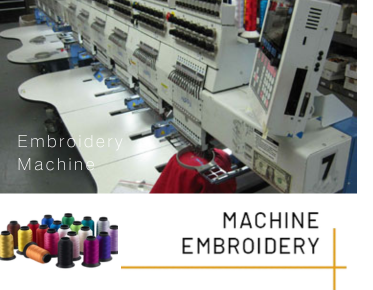
Embroidery machines are designed to operate at various speeds, typically ranging from 400 to 1,200 stitches per minute (SPM). The speed at which a machine operates can influence the tension, stitch formation, and ultimately, the accuracy of the stitches. Higher speeds can lead to increased vibration and movement, which may cause misalignment of stitches. Conversely, slower speeds allow for more precise control, reducing the likelihood of errors.
The type of fabric and thread used can also affect how speed impacts stitch accuracy. For instance, delicate fabrics may require slower speeds to prevent damage, while sturdier materials can withstand higher speeds without compromising stitch quality. Similarly, the thickness and type of thread can influence the optimal speed for achieving accurate stitches.
Optimizing Machine Speed for Better Results
To optimize machine speed for better stitch accuracy, embroiderers should consider several factors. First, understanding the capabilities of the embroidery machine is essential. Some machines are equipped with advanced features that allow for precise speed control, enabling users to adjust the speed according to the specific requirements of each project.
Additionally, testing different speeds on a sample fabric can help determine the optimal speed for a particular design. This practice allows embroiderers to identify the speed that produces the best stitch quality without compromising efficiency. It's also important to regularly maintain and calibrate the machine to ensure it operates smoothly at various speeds.
The Role of Digitizing in Stitch Accuracy
Digitizing plays a crucial role in achieving accurate stitches. High-quality embroidery digitizing ensures that the design is translated accurately into a stitch file that the machine can read. Companies like Eagle Digitizing specialize in creating digitized designs that minimize thread breakage and ensure smooth sew-outs, even at higher speeds.
Eagle Digitizing offers a range of services that cater to different embroidery needs. Their expertise in digitizing services in the USA ensures that each design is meticulously crafted to maintain stitch accuracy, regardless of the machine speed. By leveraging their services, embroiderers can achieve high-quality results with minimal errors.
Impact of Machine Speed on Different Embroidery Techniques
Different embroidery techniques may require varying machine speeds to achieve optimal results. For example, intricate designs with fine details may benefit from slower speeds to ensure precision, while simpler designs can be executed at higher speeds without sacrificing quality. Techniques such as 3D puff embroidery or sequin embroidery may also have specific speed requirements to maintain the integrity of the design.
Understanding the specific needs of each technique and adjusting the machine speed accordingly can enhance stitch accuracy and overall design quality. By doing so, embroiderers can expand their repertoire of techniques and offer a wider range of services to their clients.
Future Trends in Embroidery Machine Technology
As technology continues to advance, embroidery machines are becoming more sophisticated, offering greater control over speed and stitch accuracy. Innovations such as automated tension adjustment and real-time monitoring of stitch quality are becoming more common, allowing embroiderers to achieve consistent results with ease.
Looking ahead, the integration of artificial intelligence and machine learning in embroidery machines could further enhance their capabilities. These technologies have the potential to optimize machine settings automatically, ensuring the best possible stitch accuracy for each design. As the industry evolves, staying informed about these advancements can help embroiderers remain competitive and deliver exceptional results to their clients.
In conclusion, understanding how machine speed impacts stitch accuracy is essential for achieving high-quality embroidery. By optimizing speed settings, utilizing expert digitizing services, and staying abreast of technological advancements, embroiderers can enhance their craft and meet the demands of an ever-evolving industry.