
How to Improve the Quality of Embroidered Products
Embroidery is a timeless art that adds elegance and personalization to a wide range of products. However, achieving high-quality embroidered products requires attention to detail, the right techniques, and the use of advanced technology. In this article, we will explore various strategies to enhance the quality of embroidered products, ensuring they meet the highest standards of craftsmanship and durability.
Understanding the Basics of Embroidery Quality
Before diving into specific techniques, it's essential to understand what constitutes quality in embroidery. High-quality embroidery is characterized by precise stitching, vibrant colors, and durability. The design should be clear and free from distortions, with no loose threads or puckering. Achieving this level of quality requires a combination of skilled craftsmanship and the right tools.
Choosing the Right Materials
The foundation of any quality embroidery project is the materials used. Selecting the right fabric, thread, and stabilizers is crucial. High-quality threads, such as polyester or rayon, offer vibrant colors and are less prone to breakage. Similarly, choosing the appropriate fabric that complements the design and purpose of the product is vital. Stabilizers play a crucial role in preventing fabric distortion during the embroidery process.
Utilizing Advanced Embroidery Digitizing
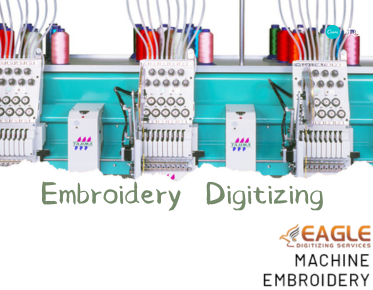
Embroidery digitizing is the process of converting artwork into a digital file that embroidery machines can read. This step is critical in ensuring the design is accurately translated onto the fabric. Embroidery digitizing services, like those offered by Eagle Digitizing, provide expert digitization that minimizes thread breakage and ensures smooth sew-outs. Their team of skilled digitizers uses advanced software to create precise and efficient designs, saving time and reducing errors.
Maintaining Equipment and Tools
Regular maintenance of embroidery machines and tools is essential for producing high-quality products. Machines should be cleaned and serviced regularly to prevent issues such as thread tension problems or needle breakage. Using the correct needle size and type for the fabric and design is also crucial in achieving clean and precise stitches.
Implementing Quality Control Measures
Quality control is a vital aspect of the embroidery process. Implementing a thorough inspection process at various stages of production can help identify and rectify issues early. This includes checking the digitized design, conducting test sew-outs, and inspecting the final product for any defects. Companies like Eagle Digitizing emphasize strict quality assurance, ensuring that each design meets the highest standards before delivery.
Training and Skill Development
Investing in training and skill development for embroidery personnel can significantly impact the quality of the final product. Keeping up with the latest techniques and trends in embroidery can provide a competitive edge. Workshops, online courses, and industry conferences are excellent resources for learning and improving skills.
Leveraging Technology and Innovation
Advancements in technology have revolutionized the embroidery industry. Utilizing modern embroidery machines with features like automatic thread trimming and color changes can enhance efficiency and precision. Additionally, exploring new embroidery techniques, such as 3D puff embroidery or sequin embroidery, can add unique elements to products, setting them apart in the market.
Partnering with Professional Services
For businesses looking to improve their embroidered products, partnering with professional embroidery digitizing services can be a game-changer. Companies like Eagle Digitizing offer a range of services, including 3D puff digitizing and custom logo digitizing, tailored to meet specific client needs. Their expertise and commitment to quality ensure that each project is executed to perfection.
Exploring Future Trends in Embroidery
As the embroidery industry continues to evolve, staying informed about future trends can provide valuable insights for improving product quality. Innovations in sustainable materials, digital embroidery techniques, and personalized designs are shaping the future of embroidery. Embracing these trends can lead to new opportunities and enhanced product offerings.
Improving the quality of embroidered products is an ongoing process that requires dedication, skill, and the right resources. By focusing on the fundamentals, leveraging technology, and partnering with experts, businesses can create embroidered products that stand out for their craftsmanship and quality. As the industry advances, staying adaptable and open to new ideas will be key to maintaining a competitive edge.