
Choosing the correct file format for embroidery digitizing and vector graphics conversion needs
In the world of embroidery digitizing and vector graphics conversion, selecting the correct file format is crucial for achieving the best results. Whether you're a seasoned professional or a newcomer to the field, understanding the nuances of different file formats can greatly impact the quality and efficiency of your work. This guide will explore the various file formats available, their applications, and how to choose the right one for your specific needs.
Understanding Embroidery Digitizing
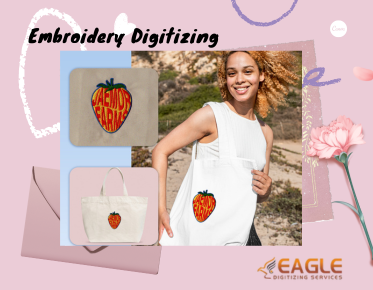
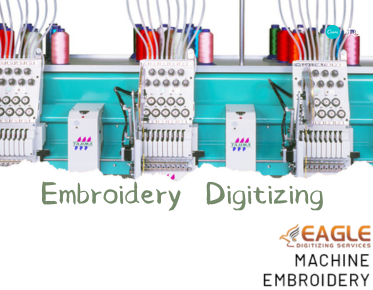
Embroidery digitizing is the process of converting artwork into a digital file that can be read by an embroidery machine. This process involves tracing the artwork with stitches using specialized software. The resulting file, known as an embroidery file, dictates how the machine will stitch the design onto fabric. Different embroidery machines require specific file formats, making it essential to choose the right format for your machine.
At Eagle Digitizing, we offer a comprehensive embroidery digitizing service that can convert any artwork into a format recognizable by embroidery machines. Our services are ideal for embroidering company logos, symbols, artwork, and photos on fabric for promotional purposes. We handle every design with great care, ensuring the highest quality output for our clients.
Common Embroidery File Formats
There are several embroidery file formats to choose from, each with its own set of advantages and limitations. Some of the most common formats include:
- DST (Tajima): This is the most widely used format and is compatible with most embroidery machines. It is known for its reliability and efficiency.
- EMB: This format is used by Wilcom software and is known for its high-quality output and flexibility in editing.
- EXP: Commonly used by Barudan machines, this format is known for its precision and detail.
- PES: Used by Brother and Babylock machines, this format is popular for home embroidery projects.
Choosing the right format depends on the specific requirements of your embroidery machine and the complexity of your design. At Eagle Digitizing, we can work with any given file format and convert it to the formats readable by any specified machine.
Vector Graphics Conversion
Vector graphics conversion is another critical aspect of digital design, especially when preparing artwork for embroidery. Vector files are scalable without losing quality, making them ideal for resizing and editing. Common vector file formats include:
- AI (Adobe Illustrator): A popular format for professional designers, known for its versatility and compatibility with various design software.
- EPS (Encapsulated PostScript): Widely used for transferring artwork between different design applications.
- SVG (Scalable Vector Graphics): A web-friendly format that is easy to edit and manipulate.
For those looking to convert raster images to vector formats, custom vector art services are available to ensure high-quality results. These services are essential for maintaining the integrity of the design when scaling or modifying the artwork.
Choosing the Right Service Provider
When it comes to embroidery digitizing and vector graphics conversion, choosing the right service provider is just as important as selecting the correct file format. A reliable provider will offer a range of services, including file format conversion, editing, and customization, to meet your specific needs.
Eagle Digitizing stands out as a leading provider of embroidery digitizing services. With over 25 years of experience, we offer quick turnaround times, competitive pricing, and a commitment to quality. Our team of skilled digitizers is equipped to handle any design challenge, ensuring that your projects are completed to the highest standards.
Future Trends in Embroidery and Vector Graphics
As technology continues to evolve, the field of embroidery digitizing and vector graphics conversion is poised for exciting advancements. Innovations in software and machine capabilities are expected to enhance the precision and efficiency of these processes, offering new opportunities for creativity and customization.
For businesses and individuals looking to stay ahead of the curve, investing in the latest tools and technologies will be key. Whether you're looking to expand your product offerings or improve the quality of your designs, staying informed about industry trends will help you make the most of your embroidery and vector graphics projects.
For more information on embroidery digitizing and vector graphics conversion, explore our digitizing services and discover how we can help you achieve your design goals.