
The fundamental difference between vector and raster images – Explained once and for all!
In today's digital age, understanding the distinction between vector and raster images is crucial for designers, artists, and anyone involved in visual communication. The choice between these two formats can significantly impact the quality, scalability, and usability of images in various applications such as printing, web design, and multimedia. This guide will delve into the core differences, practical applications, and the advantages each format brings to the table.
Understanding Raster Images
Raster images, alternatively known as bitmap images, are composed of a grid of pixels, each representing a small portion of the entire image. Each pixel holds color information, which when viewed collectively, creates a cohesive image. This format is commonly used for detailed images such as photographs. However, one characteristic that defines raster images is their fixed resolution. When you scale them beyond their original dimensions, they can become pixelated or blurry. This quality can be a limiting factor when resizing images for different purposes. Raster images are typically stored in file formats such as JPEG, PNG, GIF, and BMP.
Exploring Vector Images
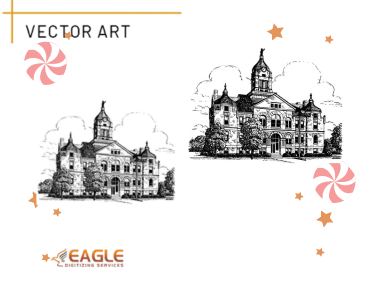
In contrast, vector images are created using mathematical equations that define geometric shapes such as points, lines, curves, and polygons. This means that unlike raster images, vectors are resolution-independent. They can be scaled up or down without any loss of quality, making them ideal for logos, icons, and any other graphics that require crisp, clean lines at any size. Common formats for vector images include EPS, SVG, PDF, and AI. The design flexibility that vector graphics offer is unparalleled, enabling designers to adjust and modify shapes and colors easily. For instance, Eagle Digitizing specializes in converting raster to vector, providing services that maintain image quality across numerous formats.
Applications of Each Format
When to Use Raster Images
Raster images are best used in scenarios where subtle gradients and area detail are paramount. This makes them a perfect choice for digital photographs where small details and color variations are critical. They are widely used on the internet, in viewing applications where large image files are compressed without significant loss of quality. However, care should be taken when utilizing these images in large-format printing due to potential quality degradation upon scaling.
When to Use Vector Images
Vector images shine in scenarios where scalability and a clean, professional appearance are needed. They are extensively used in branding materials, like logos and promotional items, because of their ability to retain quality at any size. Moreover, for tasks such as engraving or cutting on materials, vector graphics can be directly interpreted by computer-aided machines for precise outputs. Companies such as Vector Art Services provide comprehensive conversion services that allow businesses to utilize vector art effectively in various production environments.
The Process of Converting Between Formats
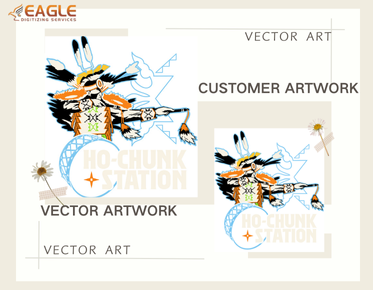
Converting raster images to vectors involves the intricate process of tracing the pixelated borders of a raster image and recreating them using defined geometrical shapes. This process, known as vectorization, is essential for creating scalable artwork from photographs and other detailed images. Several professional vector conversion services offer the expertise required to perform high-quality image transformations, ensuring precise and accurate reproductions of the original artwork.
On the other hand, converting vector images to raster formats is straightforward and often done at the final stage for output specific purposes such as web usage or detailed print work.
Choosing the Right Format for Your Project
The decision to use vector or raster images hinges on the specific requirements of your project. Understanding the inherent qualities of each can guide you in making the best choice. For professional design work that demands flexibility and high quality no matter the size, vector images are indispensable. Meanwhile, for projects involving detailed photography or requiring complex color shading, raster images are the preferred choice.
Eagle Digitizing offers a range of vector services that cater to a variety of needs, ensuring high-quality conversions that meet the demands of both businesses and individual users. By keeping these differences and capabilities in mind, you can better leverage both the raster and vector formats to achieve the desired results in your visual projects.
Future Trends in Image Formats
As technology continues to evolve, the tools for working with both raster and vector images will too. We can expect further improvements in software capabilities that will allow for even more seamless transitions between the two formats. Understanding these advancements will increasingly benefit those in the design industries as they adopt new tools and practices in their workflows. What remains certain is that both vector and raster images will continue to play pivotal roles in digital and print media due to their unique strengths and applications.
.png "vector art service")