
Quick-Start Guide to Vector Graphic Design for Beginners
Venturing into the world of vector graphic design can be both exciting and daunting for beginners. Unlike raster images, which depend on pixel resolution, vector graphics use mathematical calculations to create clean, scalable images. This makes them ideal for logos, typography, and intricate design elements. Let's explore the basics of vector graphic design and offer a foundational guide to getting started.
Understanding Vector Graphics
Vector graphics are made up of paths, which are defined by a start and endpoint, as well as other points, curves, and angles. Because of these paths, vectors can be scaled to any size without losing quality, making them perfect for designs that need flexibility. Commonly used in graphic design, web design, and digital illustration, vector graphics are indispensable in logo vectorization and print media.
Essential Tools for Vector Design
The industry standard tools for creating vector graphics are Adobe Illustrator and CorelDRAW. These programs offer a plethora of tools for creating intricate designs with precision. However, there are also free alternatives like Inkscape, which is powerful in its own right and especially attractive to beginners because it is open-source and community-driven.
Choosing the Right Software
When starting with vector graphics, choosing the right software hinges on your specific needs and budget. Adobe Illustrator is renowned for its comprehensive features and seamless integration with the Adobe Creative Suite. On the other hand, Inkscape provides robust functionality suitable for beginners exploring vector art services, without the financial commitment.
Basic Techniques of Vector Design
To get started with vector graphic design, understanding basic techniques is essential. Here are a few key methods to practice:
- Pen Tool Mastery: The pen tool is fundamental in vector design, allowing for the creation of precise paths and shapes.
- Shape Building: Using basic shapes as building blocks can simplify complex designs through composition and layering.
- Color Techniques: Experimenting with gradients and color blending adds depth and dimension to vector artwork.
Exploring Vector Art Conversion
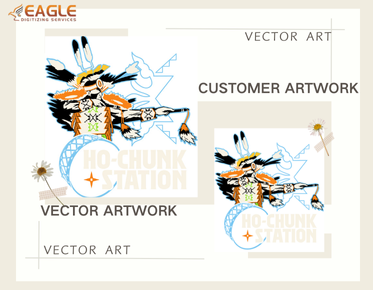
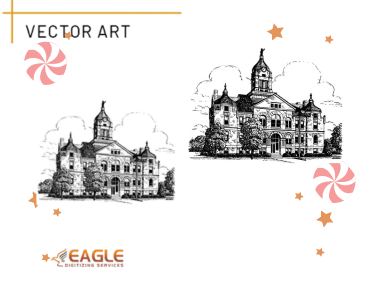
Converting raster images to vector graphics, or raster to vector conversion, is a common practice in the industry. This process involves tracing the image using vector software to maintain image integrity and sharpness when scaled to different sizes. Many professionals rely on conversion services to transform intricate raster graphics into versatile vector images efficiently.
Applications of Vector Graphics
Vector graphics are widely used in branding, advertising, and digital media. They are ideal for creating logos, icons, and illustrations due to their scalability. Businesses often use vector graphics to maintain consistency in their visual identity across various platforms and formats. Companies like Eagle Digitizing offer specialized services for vector art conversion, ensuring high quality and precision for professional applications【4:0†source】.
Leveraging Professional Services
Eagle Digitizing is a notable name in vector art services, providing a suite of solutions like vector tracing, color correction, and logo design. Their services cater to a wide range of businesses from print shops to marketing agencies, ensuring that clients get vector files tailored to their needs with precision and quick turnaround times【4:0†source】.
Future Trends in Vector Design
As technology advances, vector graphic design continues to evolve, with trends leaning towards more hyper-realistic vector illustrations and the integration of AI tools for automated vector conversions. For beginners, staying updated with these trends and continuously learning new software capabilities will be key to mastering vector design in this dynamic field.
Are you ready to dive into vector graphic design and explore its endless possibilities? Keep practicing, experimenting with new tools and techniques, and consider leveraging professional services if needed to enhance your artistic journey. With dedication and creativity, the world of vector graphics offers limitless opportunities.