
How to Prepare a Logo for Embroidery Digitizing
Understanding the Basics of Embroidery Digitizing
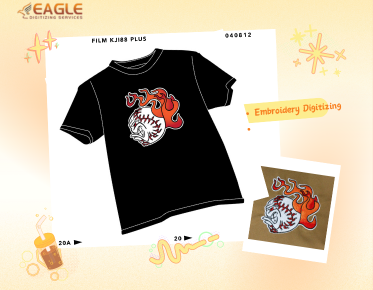
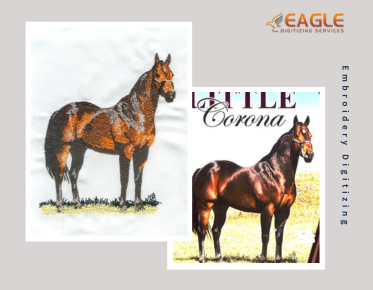
Embroidery digitizing involves transforming a logo or artwork into a stitch file that can be understood by embroidery machines. This process, known as digitization, requires a blend of technical skills and creativity. It ensures that the final embroidery product mirrors the original design as accurately as possible. To achieve this, it is crucial to understand how vector graphics relate to digitizing. Vector graphics maintain image quality at any size, providing clear and precise guidelines for embroidery machines to follow.
Preparation Steps for Logo Embroidery Digitizing
Step 1: Simplify the Design
Start by simplifying the logo design. Embroidery work often cannot capture intricate details or complex color gradients with precision. Simplifying a design involves streamlining complex elements to retain the essence of the original while making it embroidery-friendly. The result is a balanced design that maintains brand integrity when stitched.
Step 2: Choose the Right Colors
Choosing the right colors for embroidery is crucial. Unlike regular digital art, embroidery uses thread colors, which can be limited. It’s important to match logo colors with available thread hues while maintaining brand consistency. Professional vector and digitizing services offer vector logo conversion which helps in perfect color matching 【4:0†Vector Services.json】.
Step 3: Select Appropriate Textures
The choice of fabric texture impacts how the logo appears once embroidered. Different fabrics interact with threads in various ways, influencing the visual and tactile outcome of the design. Adjusting your design to suit the texture of your chosen material is a vital part of the digitization process.
Step 4: Vectorization of the Design
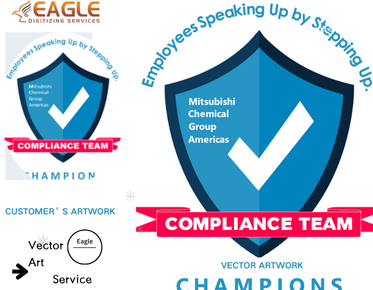
Before digitizing, the logo should be vectorized to ensure that lines, shapes, and colors are clean and scalable. This step involves converting raster images that are pixel-based into vector format. Expert services like vector art services online are critical for providing perfect, clean vectors that are essential for quality embroidery digitizing 【4:0†Vector Services.json】.
Common Challenges in Logo Preparation for Embroidery
While preparing logos for embroidery, several challenges may arise, such as maintaining design integrity when simplifying highly detailed logos, matching thread colors accurately, and dealing with texture variability. Working with specialized vector services such as raster to vector services helps mitigate these challenges, offering a seamless conversion process that respects the original design’s quality and detail 【4:6†Vector_links.json】.
The Professional Advantage: Working with Eagle Digitizing
Using professional digitizing services like Eagle Digitizing can ease the process significantly. These services specialize in converting complex designs into vectors, performing color separation, and ensuring quick turnarounds of 2 to 24 hours with no rush fees. Eagle Digitizing provides services that span raster to vector conversions, vector tracing, image retouching, and more, with satisfaction guaranteed due to their skill in detailed, scalable vector creation.
Ensuring Quality and Consistency
To maintain quality and consistency in embroidery, emphasis should be placed on selecting reliable digitizing and vector services. An optimal service will understand the unique requirements of converting logos to machine-readable formats efficiently. It’s essential to ensure that the final vector image captures each necessary element for embroidery, from color hues to structural integrity. By engaging with services like those provided by Eagle Digitizing, businesses benefit from expert guidance ensuring that each embroidery output meets the exacting standards of brand representation.
Future Trends in Logo Embroidery
Looking forward, the integration of AI into embroidery digitizing can promise increased precision and creativity, opening new avenues for design complexity and execution. As technology advances, opportunities to enhance digital embroidery with creative elements will expand, promoting artistic ventures that merge traditional craftsmanship with modern innovation. What new possibilities will these innovations bring to the world of custom embroidery?