
How digitizing turns artwork into machine instructions?
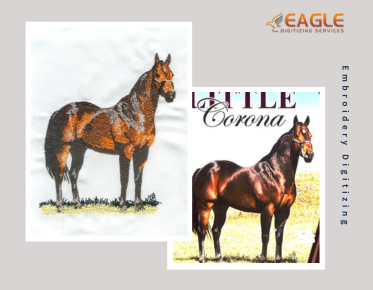
In the world of embroidery, digitizing is a crucial process that transforms artwork into machine-readable instructions. This conversion is essential for embroidery machines to accurately stitch designs onto fabric. The process of embroidery digitizing involves using specialized software to trace artwork with stitches, creating a digital file that embroidery machines can interpret and execute.
Understanding the Digitizing Process
The digitizing process begins with a clear and high-quality image of the artwork. This image is imported into embroidery digitizing software, where a skilled digitizer uses various tools to map out the design. The digitizer must consider factors such as stitch type, direction, and density to ensure the final product is both aesthetically pleasing and functional. The goal is to create a digitized embroidery file that accurately represents the original artwork while being optimized for machine embroidery.
Key Elements of Digitizing
Several key elements are involved in the digitizing process. These include:
- Stitch Type: Different stitch types, such as satin, fill, and run stitches, are used to achieve various textures and effects in the design.
- Stitch Direction: The direction of the stitches can affect the appearance and durability of the embroidery. Proper stitch direction helps in achieving a smooth and professional finish.
- Stitch Density: This refers to the number of stitches in a given area. Adjusting stitch density is crucial for balancing the design's appearance and the fabric's integrity.
The Role of Software in Digitizing
Embroidery digitizing software plays a pivotal role in converting artwork into machine instructions. These programs offer a range of tools and features that allow digitizers to create precise and detailed designs. Advanced software can simulate how the design will look when stitched, allowing for adjustments before the actual embroidery process begins. This simulation helps in minimizing errors and ensuring the final product meets the desired quality standards.
Choosing the Right Software
Selecting the right digitizing software is crucial for achieving high-quality results. Factors to consider include the software's ease of use, available features, and compatibility with different embroidery machines. Some popular software options offer extensive libraries of stitch types and effects, making it easier for digitizers to create complex designs efficiently.
From Digital File to Embroidered Fabric
Once the artwork is digitized, the resulting file is transferred to an embroidery machine. This file contains all the necessary instructions for the machine to follow, including stitch type, direction, and sequence. The machine reads the file and executes the design, stitching it onto the fabric with precision. This process highlights the importance of accurate digitizing, as any errors in the digital file can lead to issues in the final embroidered product.
Ensuring Quality and Precision
Quality control is a critical aspect of the digitizing process. Before the final file is sent to the embroidery machine, it is often tested and reviewed to ensure it meets the required standards. This step helps in identifying and correcting any potential issues, such as thread breakage or misalignment, that could affect the quality of the embroidery.
The Benefits of Professional Digitizing Services
For businesses and individuals looking to achieve professional-grade embroidery, utilizing a professional digitizing service can be highly beneficial. Companies like Eagle Digitizing offer expert services that ensure high-quality results. With over 25 years of experience, Eagle Digitizing provides efficient and reliable digitizing solutions, catering to a wide range of client needs. Their services are designed to minimize thread breakage and ensure smooth sew-outs, saving customers time and money.
Why Choose Eagle Digitizing?
Eagle Digitizing stands out for its commitment to quality and customer satisfaction. They offer quick turnaround times, often delivering designs within 24 hours. Their team of skilled digitizers is adept at using the latest software to create precise and detailed designs. Additionally, Eagle Digitizing provides free revisions and format conversions, ensuring clients receive exactly what they need for their embroidery projects.
Looking Ahead: The Future of Digitizing
As technology continues to advance, the future of digitizing looks promising. Innovations in software and machine capabilities are expected to enhance the precision and efficiency of the digitizing process. This evolution will likely lead to even more intricate and complex designs being possible, opening new avenues for creativity in embroidery. As the industry grows, the demand for skilled digitizers and high-quality digitizing services will continue to rise, making it an exciting field to watch.