.png "vector art service")

Are Vector Images Transparent?
In the world of digital graphics, understanding the properties and capabilities of different image formats is crucial for ensuring optimal visual quality and application. Among these various formats, vector images hold a unique position due to their scalability and precision. However, a common question arises: are vector images transparent?
Understanding Vector Images
Vector images are composed of paths defined by mathematical expressions, allowing them to be scaled infinitely without loss of quality. This characteristic sets them apart from raster images, which are made up of pixels and can become blurry when resized. Common vector formats include SVG, AI, and PDF, each boasting particular strengths for different applications. Due to their path-based structure, vector images are often used for logos, illustrations, and technical drawings.
One of the most attractive features of vector images is their ability to be manipulated easily in terms of color and detail. When it comes to graphics requiring precision and clarity at any size, vector images are indispensable.
Transparency in Vector Images
Transparency in digital images allows parts of the image to be transparent, letting the background or other images show through. Many vector formats inherently support transparency, enabling designers to create layered graphics which can be overlaid on other elements seamlessly.
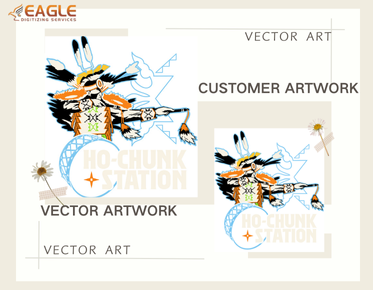
For example, vector art services, like those offered by graphic design companies, often create images with transparent backgrounds, which is highly beneficial for use on digitally composited elements such as logos overlaid on various backgrounds.
Working with Vector Transparency
In most design software, vector images can be saved with transparent backgrounds by default. This feature is integral for users engaged in online vector conversion and has wide applications in web design and printing. By saving vector images with transparency, designers ensure versatility across different platforms and media.
Transparency also plays a crucial role in design adaptation, allowing a single vector graphic to be seamlessly integrated into different environments without the need for background stripping or additional design adjustments.
Practical Applications and Considerations
Practically, using vector images with transparency can simplify the design process, reduce file sizes, and improve the visual presentation. When using vector images in vectorizing services, transparency options become a core consideration, particularly when aiming to create assets compatible with a range of media, from websites to print materials.
Another key aspect to consider is the design software being used; different programs may handle transparency slightly differently, which underscores the importance of using compatible and reliable software solutions.
Future Trends: Vector Transparency
As digital design trends evolve, the demand for more dynamic and interactive images rises, thereby increasing the emphasis on transparency and flexibility within vector images. Innovative software enhancements and the continuous development of vector art services online point to a promising future where transparency in vector images will become even more sophisticated, supporting complex digital environments.
Designers and businesses should stay attuned to these trends and innovations to leverage new features that enhance creativity and efficiency in graphical projects, adjusting their strategies accordingly to remain competitive in a dynamically shifting digital landscape.