
Stable Embroidery Results Start with Better File Planning
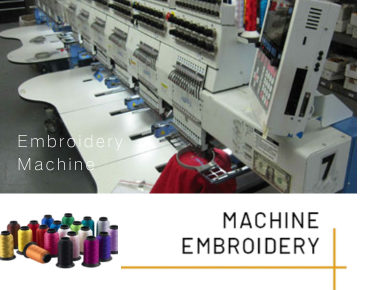
Embroidery, an exquisite marriage of craft and technology, has evolved far beyond hand-stitched monograms into a sophisticated, digital-driven process that powers the branding of apparel, accessories, and promotional products worldwide. Regardless of whether you're a seasoned professional, a hobbyist, or a business owner aiming to scale up, one fundamental truth remains: stable and beautiful embroidery outcomes rely heavily on robust file planning from the start. Those who embrace comprehensive planning in their embroidery digitizing routines discover that quality, consistency, and machine compatibility all begin long before the thread ever touches fabric.
The Foundation: Why File Planning Matters in Embroidery
Embroidery may seem like pure artistry, but beneath the surface lies a world of digital precision and technical standards. File planning, the pre-embroidery process of preparing image assets and determining file formats, stitch types, color assignments, and machine settings, sets the tone for the entire production cycle. Without methodical planning, even the most stunning design can turn into a costly, frustrating headache with thread breaks, unaligned patterns, or even machine stoppages.
The complexities of digital embroidery require digitizers to translate a designer’s creative vision into a language understood by embroidery machines. This involves making deliberate decisions about stitch direction, density, underlay, trimming commands, and color stops. Overlooking these details in file creation can lead to inconsistent stitch-outs, wasted materials, and dissatisfied clients. This is why professionals across the embroidery digitizing services sector stress that upfront planning is not just a technical step, but a critical strategy for business success.
Key Stages of Effective Embroidery File Planning
1. Understanding the Intended Application
Before opening digitizing software, every expert agrees: context is king. Is the design destined for a stretchable T-shirt, a rugged cap, or dense jacket back? The characteristics of the base fabric—its weight, weave, stretch, and color—greatly influence file specifications. For example, designs for hats demand specialized underlay and compensation for curved surfaces, while left chest logos on polos require careful consideration of garment layering. Clarifying these details guides each subsequent decision in the digitizing process, making the path toward flawless results much smoother.
2. Artwork Preparation: Clean, Simple, and Vectorized
File planning starts with artwork, and “garbage in, garbage out” rings especially true. Clean, high-resolution images with distinct color separations are paramount. Most embroidery digitizing companies in usa recommend using vector files (such as EPS or AI) for maximum clarity, since these can be scaled without loss of quality and allow for accurate tracing during digitization. When raster images must be used, ensuring sharpness and minimizing excessive detail or gradients will help maintain design integrity after conversion to stitches.
3. Choosing the Right File Format
Digital embroidery machines speak many dialects—Tajima (DST), Barudan (DSB), Wilcom (EMB), and others. Understanding the specific format required by the target machine is a pivotal step in planning. Failing to match files to machine requirements can render even perfectly digitized designs unusable, leading to production delays. A good rule is to know your equipment’s compatibility and, when outsourcing, confirm that your digitizer delivers files in the precise format you need.
4. Setting Stitch Types, Paths, and Densities
Arguably the heart of file planning, this stage involves transforming visual elements into three-dimensional embroidery stitches. Experienced digitizers evaluate each segment, deciding whether to use satin, fill, or run stitches to best capture the intended appearance and texture. At the same time, they strategically set stitch angles, overlap, and path order to avoid puckering, optimize run time, and enhance durability. Thread density should always be balanced: too dense leads to thread breaks and stiff designs, while too loose can result in gaps or fragile results.
5. Color and Sequencing Logic
Embroiderers often juggle a limited number of thread colors in one machine run. File planning encompasses mapping design colors to thread spools, grouping similar hues to reduce thread changes, and assigning clear color stops. Logical sequencing—such as stitching objects in the background first or minimizing jumps—can dramatically boost efficiency and minimize errors. Each of these file-level optimizations contributes to smooth, reliable production flows and top-notch finished products.
Common Challenges and File Planning Solutions
In practice, embroidery projects are rarely free of hurdles. Thread breaks, registration issues, misaligned borders, or text that looks perfect on screen but terrible in thread are just a few headaches that plague poorly planned files. Many of these issues stem from overlooking substrate effect, meaning how the fabric’s properties influence stitch outcomes. Systematic pretesting on similar material, combined with a willingness to adjust file parameters, helps avoid these mishaps.
Stitch direction blunders, such as consistent stitching in one direction, can cause fabric distortion known as “push” or “pull,” pulling your design out of registration. Thoughtful file planning introduces counterbalancing stitch paths to stabilize the material. The placement of underlay stitches, frequently neglected by novices, forms a stitch “scaffolding” that supports the top layer, maintains sharp definition, and mitigates distortion.
Leveraging Professional Digitizing Expertise
With the abundance of digitizing software and online resources, many embroidery enthusiasts contemplate going it alone. However, true mastery lies in understanding subtle nuances that separate a decent sew-out from an exceptional, production-ready result. This is where specialized teams like Eagle Digitizing shine. With over 25 years as a leading provider, they combine artistic insight and technical precision, tailoring every file to minimize thread breaks, ensure crisp detail, and guarantee on-machine performance. Eagle Digitizing’s commitment includes meticulous testing, free revisions, and expert adaptation to any machine format, reflecting their promise of customer-first service and swift turnaround times to clients ranging from local shops to national brands.
Integrating File Planning in Your Workflow
Building Consistency Through Documentation
High-performing embroidery businesses treat every step as part of a system. By implementing specialized templates for file naming, format specification, and stitch settings, managers ensure that even as teams change, quality remains the same. Documenting successful settings for specific fabrics, threads, and machine models streamlines replication in future projects, reducing trial and error, and empowering staff with clear reference points. This approach, when paired with consistent training in modern embroidery digitization software, makes scalability far safer and easier.
Feedback and Continuous Improvement
File planning is not a static process. Digitizers and embroiderers benefit immensely from a feedback loop that brings real-world production results back into future planning. Tracking issues, comparing test sew-outs with digital simulations, and incorporating operator input refine both technique and outcome. In the fast-evolving embroidery landscape, this willingness to iterate is a secret weapon for outperforming competitors and building enduring, trusted relationships with clients.
The Role of Advanced Software and Automation
Advancements in digital embroidery tools continue to expand what’s possible in file preparation. State-of-the-art digitizing software, such as Wilcom, Pulse, and Hatch, now feature sophisticated auto-generation of underlay, density optimization based on fabric input, and simulated sew-outs that reveal bottlenecks before production. Savvy digitizers harness these tools not to replace expertise, but to supercharge accuracy and efficiency in their planning.
Automation also brings standardization that eliminates human error. Batch processing functions that apply preferred settings across multiple files or customer projects free up valuable time, allowing digitizers to focus on creative problem-solving rather than repetitive, manual configuration.
How Eagle Digitizing Supports Stable Embroidery Results
Eagle Digitizing stands apart by seamlessly integrating file planning and digitizing expertise for a diverse client base, from small local promotional shops to large-scale apparel factories and marketing agencies. Their approach includes careful review and preparation of every design, multiple format options for machine compatibility, and the ability to handle urgent turnaround requests without sacrificing quality. The services offered span left chest logo digitizing, jacket back embroidery, cap logo digitizing, sequin, chenille, and flocking techniques—each requiring distinct file planning strategies to yield reliable results.
Clients regularly underscore how Eagle Digitizing’s attention to detail, commitment to revisions, and live, responsive customer service have transformed their production processes and elevated brand value. By offering ready-to-sew files, plus testing images and free adjustments, they eliminate the most common pain points that plague DIY or less experienced providers. The result: stable, precise, and vibrant embroidery outcomes that exceed expectations project after project.
Best Practices to Elevate Your Embroidery Results
- Start with the highest quality artwork possible—preferably vectorized and with clear color separation.
- Clearly identify the end use and communicate fabric type, dimensions, and color requirements to the digitizer.
- Document your preferred settings and continuously update them based on production feedback.
- Choose digitizing partners who prioritize testing, revision, and machine optimization in their file delivery.
- Stay current on digitizing software enhancements and experiment with features that increase standardization and speed.
By enacting these practices from file conception to machine-ready output, both newcomers and established brands ensure that every embroidery design achieves its maximum visual and structural potential, with fewer surprises and greater confidence in stability.
The Competitive Edge Provided by Reliable File Planning
In today’s saturated marketplace, those who deliver consistently top-quality embroidered products enjoy significant advantages in brand perception and repeat business. Seamless file planning embedded within your workflow means faster turnarounds, cost savings through material efficiency, and a reputation for reliability—even on complex or large-batch orders. Collaborating with recognized experts in custom embroidery not only optimizes your current output but also unlocks potential for innovative new offerings in an ever-demanding market.
Looking Forward: Evolving Standards and Customer Expectation
As consumer demand for personalized and branded apparel expands, the expectations for quality, durability, and innovation in embroidery will only rise. Forward-thinking businesses that invest in smart, efficient file planning will shape the future of this industry, setting new benchmarks for excellence and creativity. What new substrates, threads, or digital advances will emerge—and how will machine files adapt? For those who keep the foundation of great file planning at the heart of their operations, tomorrow’s challenges become today’s greatest opportunities.