
Why Is Seeing a Mockup or Preview Becoming a Standard Step Before Approval?
In today's fast-paced business environment, the need for precision and accuracy in product development and marketing is more critical than ever. One significant trend that has emerged in recent years is the use of mockups or previews before final approval of a product or design. This practice has become a standard step in many industries, from fashion to technology, and for good reason. It helps in ensuring that the final product meets the expectations of both the client and the end-user.
The Importance of Visualization
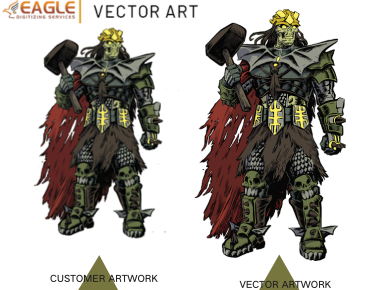
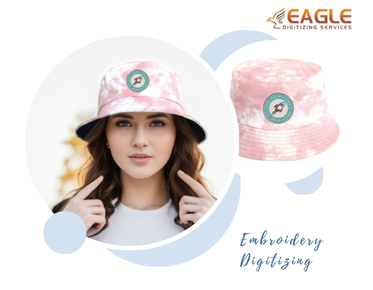
Visualization is a powerful tool in the design and approval process. It allows stakeholders to see a tangible representation of the final product, which can be crucial for identifying potential issues early on. For instance, in the embroidery digitizing industry, mockups help in visualizing how a design will look when stitched onto fabric. This is particularly important because the texture and color of the thread can significantly alter the appearance of the design.
Reducing Errors and Miscommunication
One of the primary reasons for using mockups is to reduce errors and miscommunication. When a client can see a preview of the final product, they can provide feedback and request changes before the production process begins. This is especially beneficial in industries like embroidery digitizing services, where even a small error can lead to costly rework. By addressing these issues early, companies can save time and resources.
Enhancing Client Satisfaction
Client satisfaction is paramount in any business. Providing a mockup or preview allows clients to feel more involved in the process, giving them a sense of control over the final outcome. This involvement can lead to higher satisfaction levels, as clients are more likely to be pleased with a product they had a hand in shaping. For example, Eagle Digitizing offers sew-out images for custom designs, ensuring that clients are fully satisfied with the design before it goes into production.
Streamlining the Approval Process
The approval process can often be a bottleneck in product development. By using mockups, companies can streamline this process, as clients can quickly approve or request changes to a design. This efficiency is crucial in industries with tight deadlines, such as fashion or technology, where time-to-market can be a competitive advantage. The ability to quickly iterate on designs based on client feedback can significantly reduce the time it takes to bring a product to market.
Facilitating Better Communication
Mockups serve as a communication tool between designers, clients, and production teams. They provide a common reference point that all parties can use to discuss the design. This is particularly important in complex projects where multiple stakeholders are involved. By having a visual representation of the final product, everyone can be on the same page, reducing the likelihood of misunderstandings and ensuring that the final product aligns with the original vision.
The Role of Technology in Mockup Creation
Advancements in technology have made it easier than ever to create realistic mockups. Software tools allow designers to create detailed previews that closely resemble the final product. In the digitizing embroidery service industry, for example, software can simulate how a design will look when embroidered, taking into account factors like thread tension and fabric type. This level of detail helps in making more informed decisions during the approval process.
Future Trends in Mockup and Preview Usage
As technology continues to evolve, the use of mockups and previews is likely to become even more prevalent. Virtual and augmented reality technologies are already being used to create immersive previews that allow clients to interact with a product in a virtual space. This trend is expected to grow, providing even more opportunities for companies to engage with clients and ensure that their products meet expectations.
In conclusion, the use of mockups and previews before approval is becoming a standard practice across various industries. This trend is driven by the need for precision, client satisfaction, and efficient communication. As technology continues to advance, the ways in which we create and use mockups will continue to evolve, offering new possibilities for enhancing the design and approval process.