
Scalable and Flexible Logo Systems Are Becoming a Branding Standard
In an era where digital media and instant communication dominate, the way brands present themselves visually has become more critical than ever. As companies look to establish consistency and versatility in their brand identities, scalable and flexible logo systems are emerging as the new standard in branding strategies. These systems allow brands to maintain a cohesive image across various platforms and mediums, adapting to different contexts and audiences without losing their core identity.
The Rise of Scalable Logo Systems
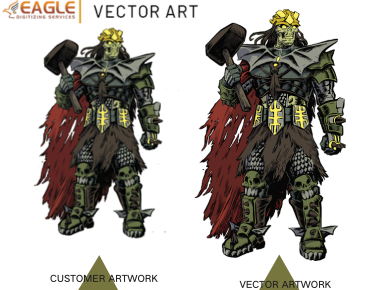
Scalable logo systems are designed to adapt to a variety of sizes and formats, ensuring that a brand’s visual identity remains sharp and recognizable whether it's on a business card or a massive billboard. This scalability is essential in today's branding landscape, where logos need to be displayed on everything from social media profiles to large-scale print advertisements. Consequently, designers are increasingly focusing on creating vectorized logos that retain clarity and precision regardless of the medium.
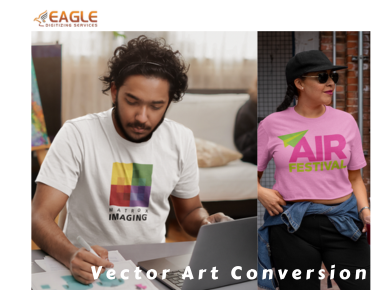
One of the main components in achieving scalability is using vector graphics. Vector graphics allow logos to be resized without losing quality, which is especially beneficial in maintaining a brand's image integrity. Companies like Eagle Digitizing provide vector conversion services that help in transforming traditional logos into scalable vector formats that can be utilized across various channels and products【4:6†source】.
Flexibility in Logo Design
Flexibility in logo design refers to the ability of a logo to adapt to different styles and formats while still being recognizable as the core emblem of the brand. This adaptability is crucial in a world where brands need to communicate across diverse cultural and regional contexts. Flexible logo systems might include variations in color palettes, orientation, or symbolic elements, allowing a brand to tailor its appearance to specific markets or events.
For instance, a brand may choose to alter its logo's color scheme slightly for different product lines or promotional events, ensuring the logo stays relevant in varying contexts while adhering to the overarching brand identity. The flexibility in logo systems also supports cross-platform branding, enabling businesses to maintain a cohesive look through web, mobile, and print designs. With the help of services like vector conversion, designers can generate versatile logo assets fit for numerous applications【4:6†source】.
The Impact on Brand Identity
A coherent, adaptable logo system can significantly enhance a brand's identity by ensuring that all visual representations of the company resonate with its core values and ethos. A well-crafted logo system not only strengthens consumer recognition but also builds trust and loyalty by presenting a consistent, reliable image.
As companies evolve and expand globally, the need for a resilient logo system becomes paramount. Such systems accommodate growth by allowing modifications that respect the original brand ethos yet provide room for innovation and modernization. Moreover, vectorization services can support brands in maintaining this balance by ensuring logos remain sharp and effective across all mediums【4:6†source】.
Future Trends in Branding
Looking ahead, the demand for scalable and flexible logo systems is expected to grow as brands become more dynamic and consumer expectations continue to evolve. Trends such as digital-first approaches, personalized marketing, and interactive brand elements will require logo systems that are not only visually appealing but also highly adaptive.
As businesses continue to innovate, the role of logo systems in conveying brand identity will likely expand, demanding greater creativity and strategic foresight. Logo systems will need to cater to the dual requirements of being instantly identifiable while also fitting seamlessly into various digital formats and interactive environments.
Ultimately, as brand narratives become more complex and multifaceted, the ability to convey a consistent brand message through a flexible and scalable visual identity will be key to long-term success.