
Can Vector Files Be Used Directly for Embroidery?
Understanding the Role of Vector Files in Embroidery
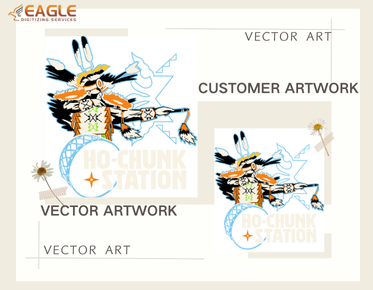
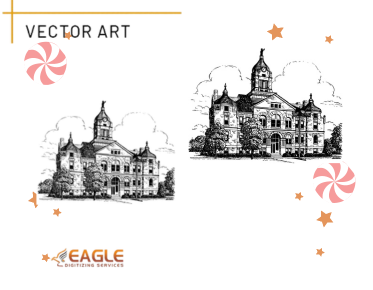
Vector files are a crucial component in the world of digital design, praised for their scalability and precision. Unlike raster images made up of pixels, vectors are composed of paths defined by mathematical equations. This allows them to be scaled infinitely without any loss of quality, making them exceptionally desirable for tasks where precision and scalability are essential. However, when it comes to embroidery, the scenario becomes more nuanced.
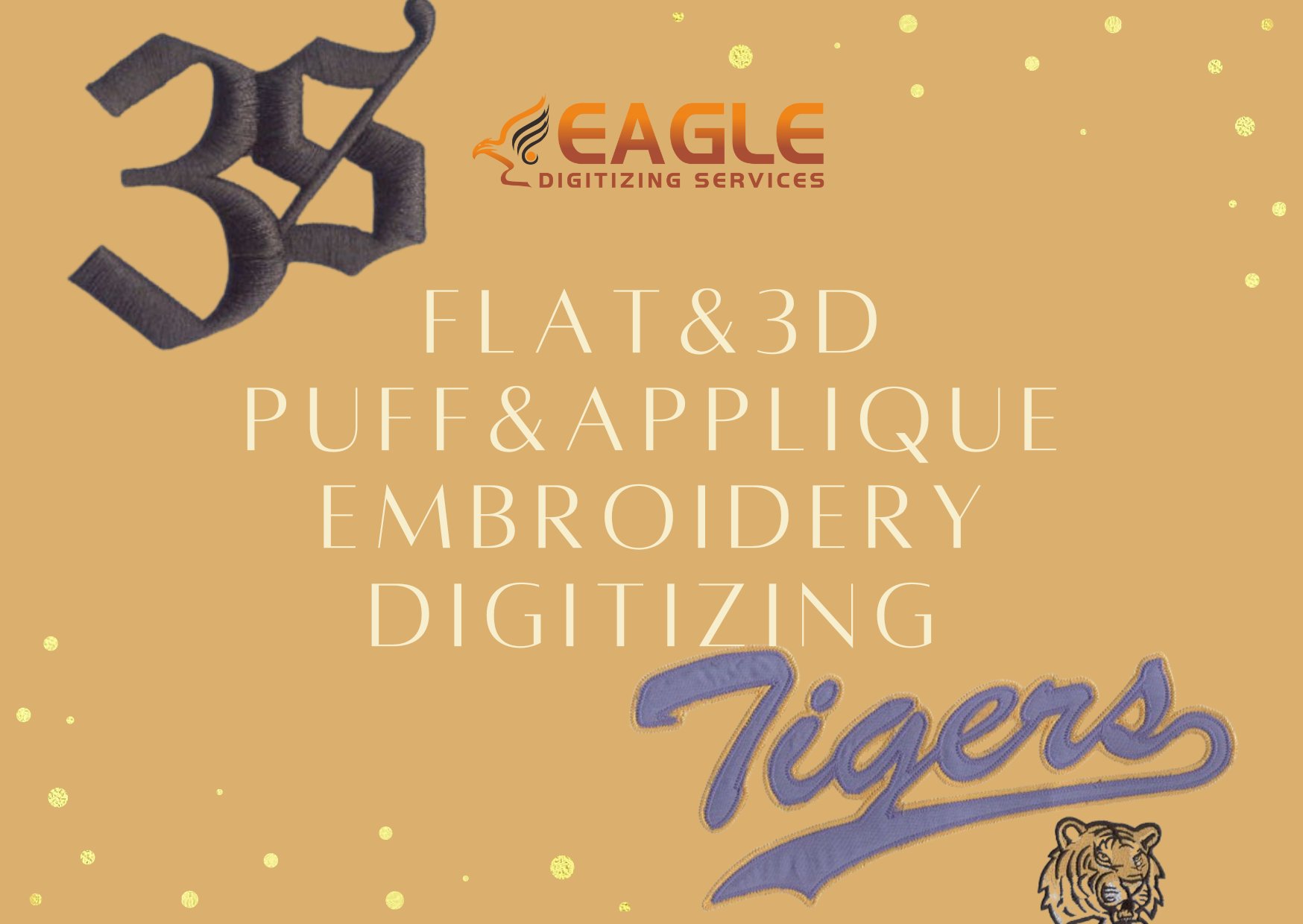
Embroidery machines require a different type of file to execute stitch patterns effectively. While vector files contain detailed design information, they are not inherently stitch-ready. The digital embroidery process requires specific embroidery files that contain detailed stitch placement information. This means a vector file must first be converted into an embroidery file such as DST or PES, which can directly guide the embroidery machine.
The Conversion Process: Vector Files to Embroidery Files
The conversion of vector files into embroidery files is known as embroidery digitizing, a specialized skill that requires software tools and expertise. During the digitizing process, a vector image is translated into a series of commands for an embroidery machine to follow. These commands dictate needle placement, thread color changes, stitch types, and more. Skilled digitizers carefully analyze vector designs to determine the most efficient stitch paths, ensuring the final embroidered piece accurately reflects the original artwork and is structurally sound for fabric.
Digitizing services like Eagle Digitizing showcase the importance of this step, bringing together expert knowledge and advanced technology to optimize embroidery designs. Their expertise ensures each project is handled with attention to detail, resulting in high-quality outputs that match the aesthetic and functional needs of the client【4:1†source】.
Why Vector Files are Not Directly Usable for Embroidery
Despite their precision, vector files cannot directly command embroidery machines because they lack the critical stitch data. Vector files may define design contours but do not specify how the design is to be stitched or in what sequence. As a result, the embroidery digitizing step is indispensable for translating these contours into lines of stitches that machines can understand.
The absence of stitch-specific information in vector files is why professional vector converting services have become essential, as they facilitate a smooth transformation from one format to another by creating a bridge between art design and physical fabric representation【4:3†source】.
The Importance of Professional Digitizing Services
Professional embroidery digitizing services leverage years of experience and cutting-edge software to ensure the highest level of precision and quality. These services take into account various fabric types, stitch densities, and thread tensions that could affect the final product. With vast expertise, services like those offered by Eagle Digitizing make sure every stitch counts toward a seamless and aesthetically pleasing outcome【4:5†source】.
The Role of Technology in Digitizing
Today's embroidery digitizing melds traditional skills with digital innovation, making technology an integral part of the process. Advanced software tools are employed to convert vector art into stitch-ready formats, meticulously accounting for intricacies such as stitch lengths, thread types, and color blending. With technology, designers can preview how an embroidery will appear on different materials, allowing for proactive adjustments and ensuring the masterpiece comes out perfectly.
Furthermore, the accessibility of vector art conversion services through online platforms simplifies the process for businesses worldwide. Such platforms allow for easy submission of designs and rapid turnaround times, making high-quality digitizing available to a broader audience【4:0†source】.
Benefits of Properly Digitized Embroidery Designs
Properly digitized embroidery files lead to superior stitch accuracy and optimized machine performance. This diligence in preparation translates to vibrant colors and clean lines in the finished product. By harnessing the precision of vector to embroidery conversion, businesses can uphold high-quality standards in embroidered products that capture the essence of their brands or personal identities.
However, the impact of digitizing extends beyond aesthetics. It can significantly affect production efficiency and cost-effectiveness. Well-digitized files ensure that machines operate smoothly, reducing thread breaks and machinery wear over time. This efficiency not only benefits production lines but also the overall longevity and sustainability of embroidery operations【4:4†source】.
Future of Vector to Embroidery Conversion
As technology evolves, so do the possibilities for vector to embroidery conversion. Future advancements might include more intuitive software that can handle increasingly complex designs with minimal manual intervention. This evolution could embrace AI-driven tools capable of richer texture simulations and more detailed stitch planning, reducing time and costs further.
Moreover, as the demand for personalized and custom items grows, embroidery digitizing services will expand their adaptability to more diverse designs and materials. The use of smart textiles and materials that change color or properties in response to stimuli could revolutionize how we perceive embroidery, leading to new horizons in fashion and design.
In conclusion, while vector files contain the rich detail necessary for design, they cannot be used directly for embroidery without conversion. By embracing the growing capabilities of digitizing services, the gap between design and realization continues to narrow, paving the way for embroidery innovations that marry art with technology. Staying at the forefront of this wave is essential for businesses wanting to leverage embroidery's timeless charm and modern efficiency【4:6†source】.