
What Makes a Good Embroidery Design? Key Design Rules Explained
Embroidery is an art form that has been cherished for centuries, offering a unique way to express creativity through fabric and thread. Whether you're a seasoned embroiderer or a beginner, understanding the key design rules can significantly enhance the quality of your embroidery projects. This guide will delve into the essential elements that make a good embroidery design, ensuring your creations are both beautiful and functional.
Understanding the Basics of Embroidery Design
At its core, a good embroidery design is one that balances aesthetics with practicality. This means considering factors such as the type of fabric, the complexity of the design, and the intended use of the embroidered item. For instance, a design intended for a delicate silk scarf will differ significantly from one meant for a sturdy denim jacket.
Choosing the Right Fabric
The fabric you choose can greatly influence the outcome of your embroidery. Different fabrics react differently to stitching, so it's crucial to select a fabric that complements your design. For example, lightweight fabrics like cotton or linen are ideal for intricate designs, while heavier fabrics like canvas or denim can support more robust patterns.
Design Complexity and Stitch Types
Complexity in design should be matched with the appropriate stitch types. Simple designs can be enhanced with basic stitches like the running stitch or backstitch, while more complex designs might require advanced techniques such as satin stitches or French knots. Understanding the capabilities of your embroidery machine or your hand-stitching skills is vital in this aspect.
Color Selection and Thread Quality
Color plays a pivotal role in embroidery design. The right color palette can bring a design to life, while poor color choices can detract from the overall effect. It's important to consider the color of the fabric and how the thread colors will contrast or complement it. Additionally, using high-quality threads can prevent issues like fraying or fading, ensuring your design remains vibrant over time.
Balancing Colors
When selecting colors, aim for a balance that highlights the main elements of your design. A good rule of thumb is to use a combination of three to five colors, with one or two dominant colors and the rest as accents. This approach helps in creating a cohesive and visually appealing design.
Thread Quality
Investing in high-quality threads is crucial for the longevity of your embroidery. Threads made from natural fibers like cotton or silk are often preferred for their durability and sheen. They also tend to work well with a variety of fabrics, making them a versatile choice for most projects.
Digitizing Your Design
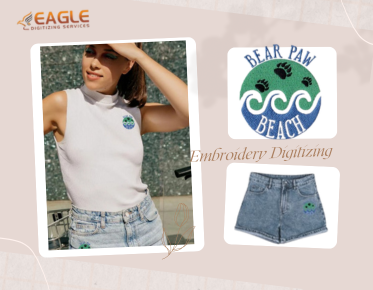
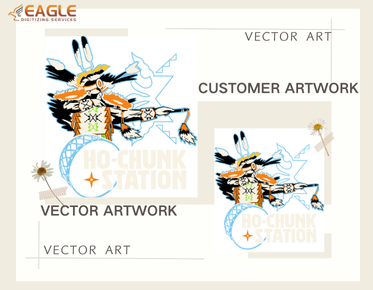
In today's digital age, embroidery digitizing has become an essential part of the design process. Digitizing involves converting your design into a digital format that can be read by embroidery machines. This process ensures precision and consistency, especially for complex designs.
Working with Professional Digitizers
Collaborating with professional digitizers can greatly enhance the quality of your embroidery. Companies like Eagle Digitizing offer expert services that ensure your designs are accurately translated into stitch files. Their attention to detail and commitment to quality can save you time and ensure a flawless final product.
DIY Digitizing
If you prefer a hands-on approach, there are numerous software options available for DIY digitizing. These programs allow you to experiment with different stitch types and patterns, giving you full control over the design process. However, it's important to have a good understanding of both the software and the capabilities of your embroidery machine.
Practical Considerations for Embroidery Design
Beyond aesthetics, practical considerations are crucial in embroidery design. This includes understanding the limitations of your embroidery machine, the size of the design, and the intended use of the embroidered item.
Machine Limitations
Every embroidery machine has its limitations in terms of stitch types, speed, and hoop size. It's important to design within these constraints to avoid issues during the embroidery process. Testing your design on a sample fabric can help identify any potential problems before starting on the final piece.
Design Size and Placement
The size of your design should be appropriate for the item you're embroidering. For instance, a large, intricate design might not be suitable for a small handkerchief. Additionally, consider the placement of the design to ensure it enhances the overall look of the item.
Embracing Creativity and Innovation
While there are rules to follow, embroidery is ultimately a creative endeavor. Don't be afraid to experiment with new techniques, materials, and styles. Innovations in embroidery technology, such as 3D puff embroidery and sequin embroidery, offer exciting opportunities to push the boundaries of traditional design.
Incorporating New Techniques
Techniques like 3D puff embroidery add depth and texture to your designs, making them stand out. Similarly, using sequins can add a touch of glamour and sparkle. These techniques require specific digitizing skills, so working with experienced professionals or investing time in learning these skills can be beneficial.
Exploring New Materials
Experimenting with different materials can also lead to unique and innovative designs. Consider using unconventional fabrics or threads to create a distinct look. This approach not only enhances the visual appeal but also allows you to explore new creative avenues.
Conclusion: The Future of Embroidery Design
As technology continues to evolve, the possibilities for embroidery design are expanding. From advanced digitizing techniques to innovative materials, the future of embroidery is bright and full of potential. By understanding the key design rules and embracing creativity, you can create stunning embroidery pieces that stand the test of time. Whether you're crafting a personal project or designing for a client, the principles outlined in this guide will help you achieve exceptional results.
As you embark on your embroidery journey, consider how emerging technologies and trends might influence your designs. What new techniques or materials could you incorporate to push the boundaries of traditional embroidery? The answers to these questions could lead to groundbreaking creations that redefine the art of embroidery.