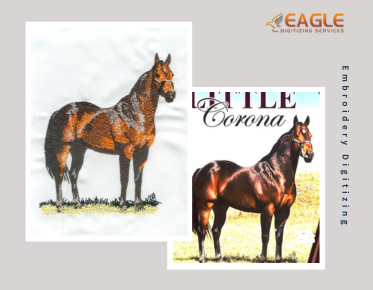

Auto Digitizing vs Manual Digitizing: Where the Real Differences Appear
In the world of embroidery, digitizing is a crucial process that transforms artwork into a format that embroidery machines can understand. This process can be executed in two primary ways: auto digitizing and manual digitizing. Understanding the differences between these two methods is essential for anyone involved in the embroidery industry, whether you're a hobbyist or a professional. In this article, we will explore the nuances of both techniques, their advantages, and their limitations.
Understanding Auto Digitizing
Auto digitizing is a process where software automatically converts an image into an embroidery file. This method is often favored for its speed and ease of use. With the click of a button, the software analyzes the image and generates a stitch file. This is particularly useful for simple designs or when time is of the essence. However, the quality of the output can vary significantly depending on the complexity of the design and the capabilities of the software used.
One of the main advantages of auto digitizing is its ability to quickly produce embroidery files without requiring extensive knowledge of embroidery techniques. This makes it accessible to beginners and those who need to produce designs rapidly. However, it is important to note that auto digitizing may not always capture the intricate details of more complex designs, which can lead to less precise results.
The Art of Manual Digitizing
Manual digitizing, on the other hand, involves a skilled digitizer using software to meticulously convert an image into an embroidery file. This process requires a deep understanding of embroidery techniques and a keen eye for detail. Manual digitizing allows for greater control over the final output, enabling the digitizer to adjust stitch types, directions, and densities to achieve the desired effect.
While manual digitizing is more time-consuming than auto digitizing, it often results in higher quality embroidery files. This method is particularly beneficial for complex designs that require a high level of detail and precision. Skilled digitizers can manipulate the design to ensure that it sews out smoothly on the embroidery machine, minimizing issues such as thread breakage and puckering.
Choosing the Right Method for Your Needs
The choice between auto and manual digitizing largely depends on the specific needs of the project. For simple designs or when time is limited, auto digitizing can be a practical solution. However, for intricate designs or when quality is paramount, manual digitizing is often the preferred method.
For businesses looking to outsource their digitizing needs, companies like Eagle Digitizing offer professional embroidery digitizing services. With over 25 years of experience, Eagle Digitizing provides high-quality digitizing with a quick turnaround time, ensuring that designs are ready for production without delay. Their team of skilled digitizers is adept at handling both simple and complex designs, making them a reliable choice for businesses of all sizes.
Technological Advancements in Digitizing
As technology continues to evolve, the capabilities of both auto and manual digitizing are expanding. Advanced software is being developed to improve the accuracy and efficiency of auto digitizing, while manual digitizing tools are becoming more sophisticated, allowing digitizers to achieve even greater levels of detail and precision.
One exciting development in the field is the integration of artificial intelligence into digitizing software. AI algorithms can analyze designs and make intelligent decisions about stitch placement and type, potentially bridging the gap between auto and manual digitizing. This could lead to faster production times without sacrificing quality, offering the best of both worlds.
Conclusion: The Future of Digitizing
As the embroidery industry continues to grow, the demand for high-quality digitizing services will only increase. Whether you choose auto or manual digitizing, understanding the strengths and limitations of each method is crucial for achieving the best results. Companies like Eagle Digitizing are at the forefront of this industry, offering innovative solutions that cater to the diverse needs of their clients.
Looking ahead, the future of digitizing is bright, with advancements in technology promising to enhance both the speed and quality of embroidery production. As these technologies continue to develop, they will undoubtedly open up new possibilities for creativity and efficiency in the world of embroidery.
.png "vector art service")
.png "vector art service")