
Why Do More Clients Want One Logo to Work Across Social Media, Websites, Caps, Apparel, and Packaging?
The Age of Multi-Platform Branding
In today’s digital-first and visually-driven commercial landscape, the importance of a brand’s visual identity cannot be overstated. Now more than ever, businesses and entrepreneurs are demanding that their logo serve as a single, cohesive identity across dozens—or even hundreds—of physical and digital platforms. The logo is expected to deliver a seamless brand experience, whether it appears on a user’s smartphone, a company website, a baseball cap, branded apparel, or product packaging. This shift is more than a fleeting trend; it is an evolution driven by consumer psychology, the rise of multi-platform marketing, and the technical possibilities unlocked by modern vector art services.
Consistency as the Cornerstone of Trust
From a consumer’s standpoint, consistency inspires confidence. When customers immediately recognize a brand’s logo—no matter whether it’s on Instagram, a delivery van, or the label on their favorite beverage—they develop an instinctive trust for that brand. Visual repetition cements the brand into memory, and any variation, distortion, or fuzzy reproduction can chip away at professionalism and reliability. That’s why clients increasingly demand a single logo solution that can scale to any size and adapt to any medium, from pixel-dense mobile screens to extra-large billboards and intricate embroidery on uniforms.
Technical Pressure: The Rise of Versatile Logo Assets
The move toward one-logo-fits-all coincides with an explosion of marketing channels and sales environments. Whereas a decade ago, a logo might have lived on a website or shop sign, now it must look pristine on social media profiles, e-commerce storefronts, branded content, apparel, packaging, and even augmented reality interfaces. This omnichannel reality puts pressure on designers and brands to invest in professional vector conversion service providers who can deliver flawless artwork at any size or on any substrate.
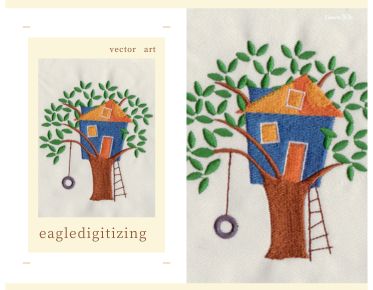
Vector artwork is particularly suitable for this challenge. Vector files can be scaled infinitely without loss of quality, meaning logos keep their sharp edges and vibrant colors whether shrunk to icon size or blown up for stadium displays. Moreover, they can be easily modified for color separations, which is essential for adapting logos to different printing requirements on apparel, promotional products, and packaging.
The New Versatility in Apparel and Merchandise
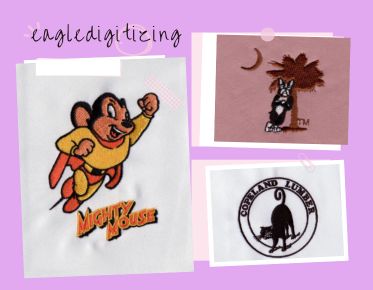
As custom apparel and branded merchandise become central to both employee culture and promotional outreach, businesses realize their logos must look equally stunning on a silkscreened t-shirt, a stitched baseball cap, or a digital badge. This is precisely where the value of reliable vector conversion services emerges. With expertly rendered vector art, a single logo file can drive production for embroidery, screen printing, and direct-to-garment processes without compromise.
Beyond aesthetics, technical precision in logo files means faster turnaround times, fewer production errors, and a seamless flow from designer to printer. Suppliers and vendors can work directly from the same logo file, eliminating guesswork and preserving critical brand colors and shapes. No matter the complexity or intended output, having one master logo file reduces friction for brands and their partners.
Why Polished Logos Win in Packaging and E-Commerce
For product packaging and e-commerce, the stakes are particularly high. A single logo must translate coherently to boxes, labels, tags, promotional flyers, and digital ads. In these uses, scalable vector artwork streamlines the workflow for both in-house teams and external suppliers. Inconsistent branding—say, a pixelated logo on a shipping box but a crisp one on the website—can damage the perceived value of a product.
Furthermore, the rise of unboxing experiences, influencer marketing, and user-generated content means your packaging might show up anywhere on the internet. The demand for logo versatility comes directly from brands wanting to control the narrative and maintain a pristine image no matter what channel their product appears in. A logo that loses detail or appears distorted can quickly go viral for all the wrong reasons.
The Role of Professional Vector Providers: Eagle Digitizing’s Approach
Eagle Digitizing, a leader in the digital artwork space, has responded to these changes by offering comprehensive, affordable, and lightning-fast vector artwork solutions suited for precisely these demands. Their vectorization and logo conversion services are designed to take any static image, old scan, or conceptual artwork and transform it into a clean, flexible vector logo. The team at Eagle Digitizing boasts expertise in raster to vector conversion, color correction, background removal, vector logo design, and more, delivering production-ready files across formats demanded by websites, embroidery, printing, and promotional manufacturing.
Small to midsize businesses, marketing agencies, e-commerce stores, and print shops are frequent clients. They benefit from Eagle Digitizing’s ability to provide scalable logo files for various end uses, with no hidden charges and turnaround as fast as 2-24 hours. Clients consistently praise the professionalism, attention to detail, and customer-first approach brought to each project.
Customization and Flexibility in Branding
It’s not just top corporations that need versatile logos. Small businesses, custom t-shirt stores, screen printing shops, local sports teams, and event organizers all require a unified visual identity. By employing modern vector art conversion services, these organizations can ensure their logo appears exactly as intended across every communication, merchandise, and packaging workflow.
Eagle Digitizing has refined its workflow to prioritize each client’s unique vision and brand ethos, ensuring vector artwork that is both technically flawless and true to the original concept. Whether it’s preparing files for direct-to-garment printing or customizing artwork for caps and promotional items, their attention to detail supports seamless brand storytelling.
Future-Proofing Brands in a Dynamic World
As the boundaries between digital and physical branding continue to blur, the mandate for versatile logo assets will only grow stronger. Rapid advances in media and manufacturing, from 3D merchandise rendering to dynamic QR branding, push companies to make their logo future-proof. Professional vectorization services provide the technical foundation so businesses can navigate these ongoing shifts without sacrificing visual quality.
Leaders in logo and branding must continuously adapt. Today’s customers expect brands to show up everywhere—in hyper-personalized ads, eco-friendly packaging, high-resolution digital avatars, and limited-edition swag. Each touchpoint represents an opportunity to reinforce quality, creativity, and reliability. By investing in a logo that works seamlessly across all platforms and products, brands become more than identifiable—they become unforgettable.
Expanding the Conversation: The Power and Responsibility of Modern Branding
Looking beyond today, forward-thinking businesses should consider not only how their logo appears now, but how it could function in unfamiliar or future contexts, such as augmented reality shopping, international markets, or gamified customer experiences. Adopting flexible logo assets and workflows is no longer optional; it’s the engine driving brand resilience and long-term credibility. The question remains: As new brand touchpoints emerge and technology accelerates, what new logo challenges—and creative possibilities—will tomorrow bring?