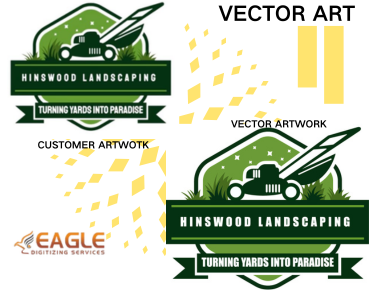
.png "vector art service")

Why Vector Files Look Fine on Screen but Fail in Printing
The Paradox of Vector Files: Crisp On-Screen, Disappointing In Print
In the modern age of digital creativity, vector art services have become the backbone of professional design, branding, and marketing. If you’re a graphic designer, print shop owner, or even an enthusiastic DIY creator, you’ve likely marveled at how vector images look razor-sharp on your computer screen—yet felt the sting of disappointment when the same files output poorly during printing. This paradox mystifies both seasoned professionals and newcomers alike. What makes vector files appear pristine on your monitor, but so prone to frustration at the printer? To grasp this issue, we need to dive deep into the nature of vector graphics, the digital-to-physical transition, and the technical—and sometimes artistic—nuances that drive this puzzling divide.
Understanding Vector Files and Their Digital Magic
Vector graphics, unlike their raster counterparts, are composed of mathematically defined paths. A vector shape can be enlarged to infinity without any loss of quality. This is why when you view a vector logo or illustration on your screen, it looks flawless at every zoom level. Popular formats like AI, EPS, SVG, and PDF make it simple to send artwork to collaborators, save space, and ensure flexible editing.
The magic of vectors on digital displays is rooted in how screens render images. Modern monitors are optimized to display crisp edges and vivid colors, capable of showing even intricate gradations and transparency with ease. Your browser or illustration software processes the underlying vectors in real time, delivering perfect clarity regardless of size.
Transitioning from On-Screen Perfection to Print Reality
The real challenges with vector art emerge in the transition from screen to print. Printing is a physical, mechanical process that interprets data differently than digital displays. Printers convert those perfect paths into dots of ink or toner—each printer, substrate (paper, fabric, plastic), and method (offset, digital, screen) possesses distinct limitations.
Often, the source of printing problems lies not within the vector art itself, but in miscommunications between designer expectations, file preparation, and printer capabilities. For example, gradients that appear smooth onscreen may band or break up when rendered on certain printers. Translucencies and effects, while easy for screens to display, can play havoc with output devices if not flattened, separated, or converted correctly.
The Hidden Pitfalls of File Preparation
Proper file setup is an art as well as a science. Print-ready files often require more than simply saving a vector to PDF or EPS. If you rely on vector conversion service offerings or work with multiple team members, inconsistencies creep in through incorrect color modes, lack of bleed, unembedded fonts, and improper use of layers or effects. What looks fine on Illustrator can turn disastrous when processed by a RIP (Raster Image Processor) system at a print shop.
Font management is a frequent culprit: Many vector files use live fonts, which may not exist on the print server. When these fonts are substituted or misinterpreted, the result can be text that prints in the wrong style or, worse, missing altogether. Embedding or converting fonts to outlines helps preserve your creative vision all the way to press.
Colors: The Most Deceptive Challenge
Color representation is another area where “looks perfect” digitally can spell disaster on paper. RGB (Red, Green, Blue) colors blaze vibrantly on screens, but printers require CMYK (Cyan, Magenta, Yellow, Black) separations. Some RGB colors simply cannot be replicated in CMYK, leading to a muted or altered appearance in print. Vector art for printing must be carefully checked for correct color profiles and Pantone matching, especially for logos and branding.
Transparency and Effects: Friend or Foe?
Vector graphics shine online because they can handle transparency, drop shadows, and blending modes with digital grace. But print workflows often require “flattening” such effects—merging them into simple shapes and solid colors. This process, if mishandled, can result in strange halos, jaggedness, or lost elements. Proper pre-flighting and proofing catch these issues before they reach the press.
Why Many Designers Still Get It Wrong
Despite advanced tools and widespread knowledge, it’s easy to overlook minute settings or underestimate a printer’s limitations. Deadlines and rapid project turnover can lead to overlooked steps. Relying on online vector graphics converter tools without reviewing the file for print-specific issues often results in disappointing output even though the screen preview appears flawless.
To ensure print perfection, every detail of the vector file must be scrutinized: lines must be of appropriate thickness, overlaps checked, and effects flattened. Layers should be named logically and unnecessary objects removed. Vectors that print well are the result of meticulous attention and experience, not just digital prowess.
Eagle Digitizing: Bridging the Gap Between Screen and Print
Eagle Digitizing stands out by understanding the full lifecycle of vector files, from digital creation through to the demands of commercial printing. Their approach is highly customer-focused—combining a rapid turnaround with advanced knowledge of print industry requirements. This expertise covers everything from raster to vector conversion and logo vectorization to image editing and color correction—preparing each file specifically for marketing, screen printing, promotional items, and other professional uses.
Their team works 24/7, providing flexible pricing and formats that cover the full spectrum of vector design needs. Whether you need simple trace work or intricate, multi-layered illustrations, Eagle Digitizing ensures that each vector is optimized for use on business cards, banners, t-shirts, or packaging—anticipating the exact ways the file will be output and providing results that maintain your brand’s integrity at every step.
Customer testimonials reflect this excellence: Eagle Digitizing’s clients frequently praise the clarity, vibrancy, and precision of final print outputs, celebrating how the company went the extra mile to ensure files not only looked great onscreen but exceeded expectations in real-world applications.
Expert Solutions for a Range of Industries
Screen printers, embroidery shops, marketing agencies, retailers, and online sellers frequently depend on high-quality vectors for their product lines. Eagle Digitizing’s specialized understanding of print processes, along with their years of experience, enables them to deliver solutions that sidestep common pitfalls. Whether your business is print-on-demand apparel, signage, or promotional merchandise, expertly created and checked vector files are an operational must.
Key needs addressed include accurate color separation, font outlining, resolution checking, and special formatting for unique substrates. By focusing on the end use—be it a silk-screened tee or large-format vinyl sign—every file delivered is primed for both beauty and technical stability.
Best Practices to Avoid Printing Failures
The secret to consistently excellent print results is a blend of the right digital skills and practical, workflow-based checks. Consider these best practices:
- Always proof your vector graphics at actual size before sending to print.
- Use print profiles and calibrate screens for color accuracy.
- Embed or outline all fonts.
- Flatten all effects, transparencies, and gradients.
- Create extra bleed and ensure margins are printable area safe.
- Consult with your print provider about file specifications and limitations.
- Test with a sample print, especially for new designs or processes.
Looking Ahead: The Future of Vector Printing
As both software and hardware technologies advance, the gap between screen and print output is gradually shrinking. Sophisticated RIP systems, seamless color management workflows, and AI-driven solutions mean more predictable results with less manual intervention. However, the human touch—experience, critical eye, and attention to nuance—remains crucial.
For businesses and designers looking to stay ahead, partnering with seasoned experts like Eagle Digitizing provides peace of mind and consistently impressive output. Embracing modern vector art services online can transform how your designs go from the digital world to real-world visibility.
Refining Your Creative Workflow for Flawless Print
The persistent disappointment of “good on screen, bad in print” stems not from a flaw in the vector format but from the complex transition between digital design and real-world production. By gaining a sharper understanding of vector file preparation, printer expectations, and the support of professional services, creators of all types can deliver designs that shine—wherever they appear.
If you’re eager to see your next vector project leap off the press just as brilliantly as it does off the screen, consider reviewing your workflows, communicating closely with your print partners, and seeking advanced support where required. As the marriage between technology and creativity evolves, so does your potential to leave an impact—in pixels, ink, and beyond. Where do you see the next leap in digital-to-physical design taking your business?