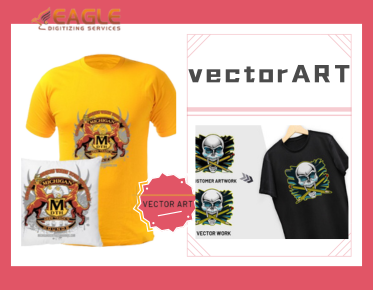

What Makes a Vector File “Production-Ready” vs “Visually Acceptable”
In the world of digital design and printing, vector files are an indispensable resource. However, not all vector files are created equal. There often exists a significant distinction between a vector file that is "production-ready" and one that is simply "visually acceptable." Understanding these differences is crucial for designers and businesses to ensure they meet the desired production standards.
Understanding Vector Files
Before diving into the specifics, it's important to understand what a vector file is. Unlike raster images, vector files use mathematical equations to create images, allowing them to be scaled infinitely without losing quality. This characteristic makes vector files ideal for creating logos, illustrations, and other designs that require scalability.
Defining “Production-Ready” Vector Files
A "production-ready" vector file is specifically designed to meet the technical specifications required for various forms of production, such as printing, cutting, or engraving. This means that such a file should have precise dimensions, color formats, layers, and other technical details defined to ensure seamless production.
Eagle Digitizing, for example, offers highly skilled vector conversion services aimed at producing files that are fit for numerous production needs such as screen and laser printing. Their services ensure that all elements, including color separations and layer management, are customized to meet client-specific production needs, which significantly reduces the chances of errors during production processes.
Features of “Visually Acceptable” Vector Files
On the other hand, a "visually acceptable" vector file refers to an image that looks good on screen or under basic display conditions but may not meet the technical requirements for production. For instance, such files may not have the correct color profiles, scalable detail, or layer separations necessary for a clean production output.
These files can be great for presentations, drafts, or web displays where visual appeal is prioritized over technical detail. However, without proper adjustments, using visually acceptable files for production can result in issues such as color mismatches, improper scaling, and compromised product quality.
Key Elements of a Production-Ready File
Color Management
Color accuracy is essential in production-ready files. These files require precise color profiles, such as CMYK, to match printing machinery specifications. Vector conversion services often include color management as a part of their offerings.
Layer Organization
Another significant aspect of production-ready files is their layer organization. Files must have clear and effective layer separation to aid production processes like screen printing where each color might be printed separately.
Scalability and Detail
A production-ready file should maintain its detail and quality across different scales. This implies that lines, curves, and other features are accurately defined to prevent the loss of detail when resized. For example, vectorizing services ensure that each vector file is meticulously processed to maintain detail across any scaling factor【4:5†source】.
Choosing the Right Service
Businesses looking to convert their designs into production-ready vector files need to select reliable services. Companies like Eagle Digitizing come with a proven track record, offering rapid and precise vector conversion services that cater to a wide array of industries from fashion to marketing agencies. Their offerings are tailored to ensure efficiency and accuracy with a quick turnaround, making them a trusted partner for many【4:0†source】.
Final Considerations
As design and production technologies evolve, the line between visually acceptable and production-ready files may become even more consequential. Businesses must consider whether their vector files meet industry standards for their specific use cases. Employing the expertise of professionals for conversion services can save time and prevent costly mistakes in the production stage.
It is pivotal for designers and businesses alike to envision the future of digital vector files, not just in terms of aesthetics but ensuring technical accuracy and scalability to meet ever-growing production demands. The question remains, as technology progresses, how will design practices adapt to create more holistic vector solutions?
.png "vector art service")