.png "vector art service")

How Poor Vector Structure Increases Setup Time for Printers
Introduction
In the realm of digital printing, efficient workflow and reduced setup time are vital for operational success. However, poor vector structure can pose significant challenges that increase setup time for printers. Understanding the nuances of vector graphics and their impact on printing processes is crucial for businesses looking to optimize their printing efficiency.
Understanding Vector Graphics
Vector graphics are composed of paths, which are defined by a start and end point, along with other points, curves, and angles. Unlike raster graphics that use pixels, vector graphics are resolution-independent, making them an ideal choice for scaling. Nevertheless, the complexity or errors within a vector file can inadvertently increase the setup time for printing.
Common Issues with Poor Vector Structure
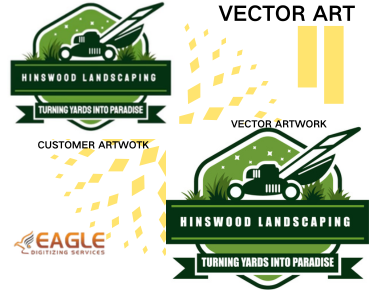
Poor vector structure can manifest in several ways, such as overlapping paths, incorrect grouping, and unnecessary anchor points. These errors necessitate extra processing during the pre-press stage, where technicians must clean up the file to prevent print errors, which, in turn, can significantly increase setup time. Professional vector art services online can help mitigate these issues by ensuring that vector files are clean and optimized for printing.
Impact on Printing Setup Time
The impact of poor vector graphics on printing setup time is multifaceted. First, it can lead to prolonged pre-press adjustments, as technicians have to manually correct design flaws such as misalignment or improper scaling. Secondly, poor vector files may require additional proofing cycles, delaying the process further. Organizations often invest in high-quality vectorization services to ensure their designs are print-ready and meet industry standards.
Technical Factors Affecting Setup Time
Beyond simple errors, technical issues like embedded raster images, failed color separations, and incompatible file formats can also impact setup time. For example, embedding raster images in vector files can complicate the print process since these images must be converted into vectors to ensure consistency across different printing substrates. This process is often tedious and time-consuming when not handled efficiently.
Solutions to Reduce Setup Time
To mitigate these challenges, a few strategies can be employed. Firstly, ensuring all vector graphics are free from errors before sending them to print is critical. This includes verifying that the paths are correctly defined and colors are appropriately separated for multi-color prints. Additionally, employing professional services such as Eagle Digitizing can significantly enhance the quality and readiness of vector files for printing. Their expertise in vectorizing artwork ensures that designs are meticulously prepared to meet the rigorous demands of printing processes.
Future Trends in Vector Printing Technology
As technology continues to evolve, the reliance on efficient vector processing tools is expected to grow. Advances in artificial intelligence and machine learning are paving the way for smarter vector editing tools that can automatically correct common vector errors, thus reducing the manual workload of print technicians. These innovations promise to streamline pre-press operations and further reduce setup time for printers.
In considering these diverse elements, the significance of well-prepared vector graphics becomes apparent. As printers and designers work together to meet the demands of modern print requirements, quality vector services will become even more indispensable. This prompts the question: as technology advances, how will vector processing tools further adapt to meet the needs of rapidly evolving digital printing environments?