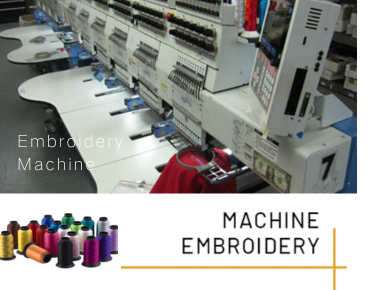

Does Embroidery Digitizing Affect Production Efficiency and Machine Performance?
Embroidery digitizing is a transformative process that converts artwork into a digital format that embroidery machines can read. This conversion is crucial for ensuring that designs are accurately reproduced on fabric. The impact of embroidery digitizing on production efficiency and machine performance is significant, as it directly influences the quality, speed, and reliability of the embroidery process.
Enhancing Production Efficiency
One of the primary benefits of embroidery digitizing is the enhancement of production efficiency. By converting designs into precise digital formats, embroidery machines can execute patterns with minimal errors and interruptions. This precision reduces the need for manual adjustments and rework, thereby speeding up the production process. Companies like Eagle Digitizing have honed their digitizing techniques to ensure efficient product sew-outs, which save time and reduce costs for their clients【4:0†source】.
Reducing Thread Breakage and Downtime
Digitizing services that focus on minimizing thread breakage can significantly improve machine performance. Thread breakage is a common issue that can cause significant downtime, as machines need to be stopped and re-threaded. High-quality digitizing ensures that designs are optimized for smooth operation, reducing the likelihood of thread breakage and thus enhancing overall machine performance【4:2†source】.
Optimizing Machine Performance
Embroidery digitizing also plays a crucial role in optimizing machine performance. By providing machines with clear and precise instructions, digitized designs allow for smoother operation and less mechanical strain. This optimization not only extends the lifespan of the machines but also ensures consistent quality in the embroidered products. Eagle Digitizing, for instance, tests each design to ensure it runs perfectly on the client's machine before delivery【4:0†source】.
Customization and Flexibility
Another advantage of embroidery digitizing is the ability to customize and adapt designs easily. This flexibility allows businesses to cater to specific customer needs without extensive manual intervention. Digitizing services can quickly convert various artwork into machine-readable formats, facilitating a seamless transition from design to production. This adaptability is particularly beneficial for businesses that require frequent design changes or custom orders【4:4†source】.
Impact on Business Operations
The impact of efficient embroidery digitizing extends beyond the production floor. It enhances business operations by improving turnaround times and customer satisfaction. Companies that leverage advanced digitizing services can offer faster delivery times and higher quality products, giving them a competitive edge in the market. Eagle Digitizing, for example, offers a quick turnaround time, often completing projects within 2 to 6 hours, which is a significant advantage for businesses with tight deadlines【4:2†source】.
Future Trends in Embroidery Digitizing
As technology continues to evolve, the future of embroidery digitizing looks promising. Innovations in software and machine capabilities are expected to further enhance efficiency and performance. Businesses that stay ahead of these trends by adopting the latest digitizing technologies will likely see continued improvements in their production processes and overall business success.
In conclusion, embroidery digitizing is a critical component of modern embroidery production. It not only enhances production efficiency and machine performance but also supports business growth by enabling customization and improving customer satisfaction. As the industry continues to evolve, businesses that invest in high-quality digitizing services will be well-positioned to capitalize on these advancements.

.png "vector art service")