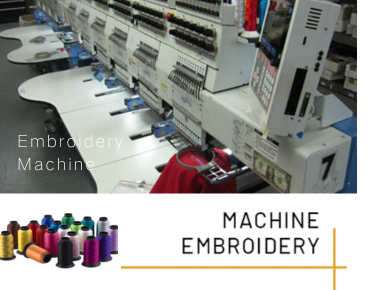

Embroidery Digitizing Workflow: The Steps Most Likely to Cause Problems
Embroidery digitizing is a fascinating yet intricate process that transforms artwork into a digital format readable by embroidery machines. While the outcome can be stunning, the journey from concept to completion is fraught with potential pitfalls. Understanding the steps most likely to cause problems can help in mitigating these issues and ensuring a smoother workflow.
Understanding the Embroidery Digitizing Process
The embroidery digitizing process involves several critical steps, each requiring precision and expertise. It begins with the selection of artwork, followed by the conversion of this artwork into a digital format using specialized software. This digital file is then used to guide the embroidery machine in stitching the design onto fabric. While this sounds straightforward, each step presents unique challenges that can lead to errors if not handled correctly.
Artwork Selection and Preparation
The first step in the digitizing process is selecting and preparing the artwork. This step is crucial because the quality of the original artwork significantly impacts the final embroidered product. Issues can arise if the artwork is not clear or lacks detail, leading to poor quality digitization. It is essential to use high-resolution images and ensure that all elements of the design are distinct and well-defined.
Choosing the Right Software
Another critical step is selecting the appropriate digitizing software. The market offers a plethora of options, each with its strengths and weaknesses. Choosing the wrong software can lead to compatibility issues, inefficient workflows, and subpar results. It is important to select software that aligns with the specific needs of the project and the capabilities of the embroidery machine being used.
Digitizing the Design
Digitizing the design is perhaps the most complex step in the workflow. This involves converting the artwork into a stitch file, which dictates how the embroidery machine will sew the design. Common problems at this stage include incorrect stitch types, improper stitch density, and poor pathing, which can result in thread breaks and uneven stitching. Skilled digitizers, like those at Eagle Digitizing, are adept at navigating these challenges to produce high-quality results.
Common Pitfalls in the Digitizing Workflow
Thread Tension and Breakage
Thread tension and breakage are common issues that can disrupt the embroidery process. These problems often stem from incorrect stitch density or poor thread quality. Ensuring that the stitch density is appropriate for the fabric type and using high-quality threads can help mitigate these issues.
Machine Calibration and Maintenance
Embroidery machines require regular calibration and maintenance to function optimally. Neglecting this can lead to misalignment, skipped stitches, and other mechanical failures. Regular maintenance checks and calibrations are essential to ensure the machine operates smoothly and produces high-quality embroidery.
File Format Compatibility
File format compatibility is another area where problems can arise. Different embroidery machines require specific file formats, and using an incompatible format can result in errors or failed embroidery attempts. It is crucial to ensure that the digitized file is in the correct format for the machine being used. Eagle Digitizing offers a wide range of file formats to accommodate various machine requirements, ensuring seamless integration into your workflow.
Optimizing the Workflow for Success
To optimize the embroidery digitizing workflow, it is important to focus on continuous improvement and adaptation. This includes staying updated with the latest software advancements, investing in high-quality materials, and regularly training staff to enhance their skills. By addressing potential problem areas proactively, businesses can improve their efficiency and the quality of their embroidered products.
Leveraging Professional Services
For businesses looking to streamline their embroidery digitizing process, partnering with a professional service provider like Eagle Digitizing can be highly beneficial. With over 25 years of experience, Eagle Digitizing offers comprehensive embroidery digitizing services that cater to a wide range of client needs. Their skilled team ensures that each design is meticulously digitized, tested, and ready for production, minimizing the risk of errors and ensuring a high-quality outcome.
Future Trends in Embroidery Digitizing
As technology continues to evolve, the embroidery digitizing industry is poised for exciting advancements. Innovations in software, machine capabilities, and materials are set to enhance the precision and efficiency of the digitizing process. Businesses that stay ahead of these trends will be well-positioned to capitalize on new opportunities and deliver superior products to their customers.
In conclusion, while the embroidery digitizing workflow can be complex and challenging, understanding the potential problem areas and implementing best practices can significantly improve outcomes. By leveraging professional services and staying abreast of industry trends, businesses can navigate these challenges effectively and achieve success in their embroidery projects.
.png "vector art service")