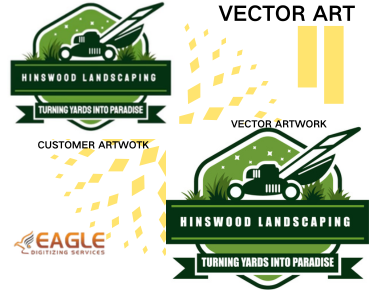

How Different Printing Methods Change Vector File Requirements
In the realm of graphic design and printing, the format and quality of vector files are pivotal to achieving the desired output. With various printing methods available, such as screen printing, digital printing, and offset printing, the requirements for vector files can change significantly. Understanding these differences is crucial for designers and businesses looking to make the most out of their creative endeavors, especially in industries where high-quality visual representation is non-negotiable.
Vector Files and Their Importance
Vector files, characterized by their use of paths defined by mathematical expressions, as opposed to the pixel-based nature of raster images, offer distinct advantages in printing. Their scalability without loss of quality makes them ideal for different printing methods, especially where detail and precision are paramount. However, the requirements for vector files can vary depending on the printing technique used. This variance is particularly evident in the file formats required, the color configurations, and processing methods employed.
Screen Printing: Precision in Simplicity
Screen printing is a popular method due to its ability to produce vibrant colors and tactile texture, commonly used for textiles, posters, and other surfaces. For screen printing, vector files must be prepared with great attention to detail. Every color used in the design requires a separate screen, necessitating a process known as color separation. Accurate color separation ensures each screen aligns perfectly with others, creating a cohesive final print. Thus, vector files must include distinct layers for each color, often in formats like AI or EPS.
Digital Printing: Quick and Versatile
Digital printing stands out for its convenience and rapid turnaround, making it ideal for small to medium print runs. This method can handle a wide range of layouts and designs with fewer setup complexities compared to the screen printing process. The vector file requirements for digital printing are more straightforward, generally favoring versatile formats such as PDF or SVG, which support full-color designs without the need for separation layers. Ensuring high resolution and clarity in vector files helps maintain the precision and quality digital printing is known for.
Offset Printing: Superior Quality and Cost Efficiency
Offset printing is widely acknowledged for producing consistently high-quality prints, making it the standard choice for large print volumes. This method benefits significantly from vector files, which maintain clarity and detail over extensive runs. Vector files for offset printing often need to align with specific format and color standards, requiring file preparation in CMYK color models to ensure color accuracy. Formats like PDF are preferred due to their ability to encapsulate complex design elements and advanced color management features.
Role of Eagle Digitizing in Vector Art Services
When it comes to managing the distinct requirements of vector files for various printing methods, services like those provided by Eagle Digitizing can be invaluable. Specializing in transforming intricate designs and logos into scalable vector files, Eagle Digitizing offers a range of solutions tailored to industry needs. With their expertise, clients can ensure that their vector files meet the high standards required for different types of printing, from screen to digital, contributing to consistently excellent results.
Choosing the Right Vector Format
The choice of vector file format heavily depends on the intended use of the graphic. Formats such as EPS, AI, and PDF are often utilized across different printing techniques due to their flexibility and support for detailed instructions necessary in print designs. However, the key is ensuring compatibility with the printing technology being used, whether it involves direct application like in digital printing or more layered approaches in screen printing.
Streamlining the Conversion Process
Given the complexities involved in preparing vector files for printing, partnering with professional vector art services can streamline workflows significantly. Services that offer conversion and vectorization ensure that artwork maintains its quality across various formats and meets specific printing requirements. These professionals guide clients through the nuances of each printing method, helping avoid common pitfalls associated with preparation and conversion.
Concluding Thoughts
Understanding the interplay between different printing methods and vector file requirements can greatly enhance the quality of printed materials. As printing technologies evolve, so too will the techniques in digital vector preparation. Businesses and designers must stay informed about these changes to utilize new technologies effectively. The potential innovation in vectorization and printing technologies holds exciting possibilities for the future of graphic and print design.
Ultimately, mastery over vector file preparation is not just about meeting current needs; it's about being ready for the future of creative possibilities. The evolving nature of printing technology promises new methods and higher standards in graphic production, pushing the boundaries of what's achievable with vector files.
.png "vector art service")