
How are Playful 3D Vector Illustrations Adding Depth and Personality to Digital Experiences?
In the realm of digital design, 3D vector illustrations have emerged as a powerful tool to transform static experiences into engaging and dynamic interactions. These playful illustrations are instrumental in adding a distinctive depth and personality to digital landscapes, a crucial factor in today’s digital-first era. But how exactly do these vibrant visuals contribute to enhancing digital experiences?
Unleashing Creativity with Vector Illustrations
The infusion of 3D vector illustrations into web and app interfaces offers a canvas for creativity that traditional two-dimensional graphics often lack. By employing rich textures, realistic shading, and innovative perspectives, designers can craft visual stories that engage users on a deeper level. The interactivity provided by these vector art services allows users to explore and interact with elements, enhancing their engagement and retention rates.
The Role of Color and Form
Color in vector graphics plays a crucial role in capturing attention and evoking emotions. Utilizing a broad spectrum of hues and gradients, designers can convey mood, brand identity, and call to action more effectively. Additionally, the three-dimensional form enhances visual appeal, providing a tangible sense of space and realism that traditional graphics lack.
Positioning Brands with Unique Visual Identity
Creating a unique visual identity is essential for brands looking to stand out in a crowded marketplace. Playful 3D vector illustrations can be tailored to fit brand narratives, aiding in the development of a distinct and memorable brand image. Companies can leverage these illustrations to communicate their values and messages through an engaging and modern lens, making digital experiences more personalized.
Interactivity and User Engagement
Interactivity is another layer that 3D vector illustrations add to digital experiences. Vectors allow for scalable and customizable interactions that can enhance user experience design. For example, animated vectors can lead users through a digital narrative, providing cues that guide navigation and creating a dialogue between the user and the interface.
A Broader Design Ecosystem
The application of 3D vector graphics is not confined to marketing alone; they play an integral role in instructional design, gaming, educational tools, and more. For instance, e-learning platforms utilize these graphics to simplify complex concepts through visual storytelling, enhancing understanding and engagement. The flexibility of vector formats like SVG and AI ensures these illustrations remain crisp and clear at any resolution, which is critical in providing consistent quality across various devices.
Eagle Digitizing and the Evolution of Vector Art Services
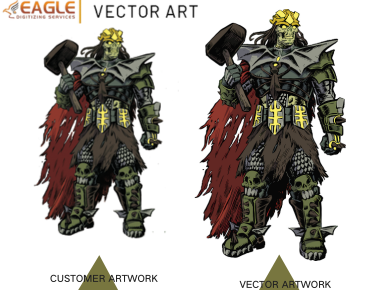
Organizations like Eagle Digitizing provide an array of services that cater to this growing demand for vector art. By offering capabilities such as raster to vector conversion, graphic mock-ups, and image retouching, they enable businesses to convert traditional artwork into vibrant 3D illustrations suitable for both print and digital use. Their commitment to quality and customer satisfaction plays a significant role in advancing the proliferation of vector illustrations in the digital ecosystem.
The Future of Digital Imagery
As technology continues to evolve, so too does the potential of 3D vector illustrations. Emerging trends in AI-driven design tools could further democratize the creation of complex vector graphics, enabling even more personalization and interactivity. Furthermore, as vector conversion service technology advances, its integration with augmented reality (AR) platforms is poised to redefine how users interact with digital environments. This burgeoning synergy between vectors and AR could herald a new era for digital experiences that are even more immersive and intuitive.
The journey of vector illustrations from basic cartoons to sophisticated 3D graphics speaks volumes of their impact on digital experiences. Whether it's enhancing brand identity, adding depth to digital narratives, or engaging users through interactive elements, 3D vector illustrations are undoubtedly at the forefront of digital design innovation. As we look toward the future, it will be fascinating to see how they continue to shape and redefine the digital landscapes we traverse every day.