
How do you digitize embroidery for photo-realistic designs?
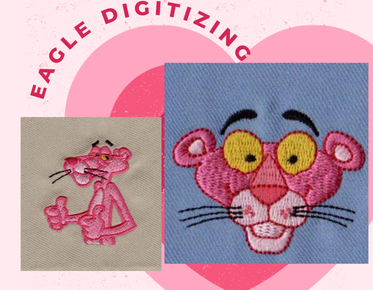
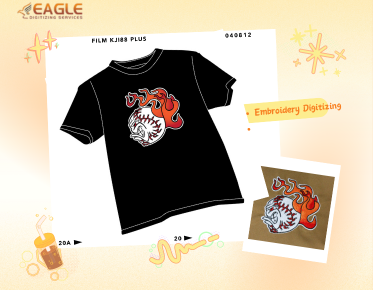
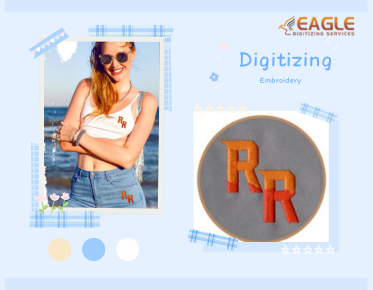
Embroidery digitizing has evolved significantly over the years, allowing for the creation of intricate and photo-realistic designs. This process involves converting artwork into a digital format that embroidery machines can read, enabling them to stitch out the design with precision. Achieving photo-realistic embroidery requires a deep understanding of both the software used for digitizing and the capabilities of the embroidery machines.
Understanding the Basics of Embroidery Digitizing
Embroidery digitizing is the art of translating a design into a series of stitches. This is done using specialized software that allows the digitizer to map out each stitch, considering factors such as stitch type, direction, and density. The goal is to create a design that not only looks good on screen but also translates well onto fabric. This process is crucial for creating photo-realistic embroidery designs, as it ensures that every detail is captured accurately.
Choosing the Right Software
The choice of software is critical in the digitizing process. There are various software options available, each with its own strengths and weaknesses. Some popular choices include Wilcom, Hatch, and Pulse. These programs offer advanced features that allow for detailed control over the digitizing process, which is essential for creating photo-realistic designs. The software should allow for precise control over stitch types, densities, and directions, enabling the digitizer to replicate the nuances of the original artwork.
Key Techniques for Photo-Realistic Embroidery
Creating photo-realistic embroidery involves several key techniques. One of the most important is the use of varying stitch types and densities to mimic the textures and shades of the original image. For instance, satin stitches can be used for smooth areas, while fill stitches can add texture. Additionally, the use of blending techniques, such as gradient fills, can help achieve a more natural look. It's also important to consider the fabric type, as this can affect how the stitches appear once embroidered.
Testing and Adjustments
Once the design is digitized, it's crucial to test it on the intended fabric. This allows the digitizer to make any necessary adjustments to ensure the design stitches out as intended. Testing helps identify issues such as thread breakage or puckering, which can be addressed by adjusting stitch density or direction. This step is vital for achieving a high-quality, photo-realistic finish.
The Role of Professional Services
For those who may not have the expertise or time to digitize their own designs, professional services like Eagle Digitizing offer a valuable solution. With over 25 years of experience, Eagle Digitizing provides high-quality digitizing services that cater to a wide range of needs. Their team of skilled digitizers ensures that each design is meticulously crafted to achieve the best possible results. They offer quick turnaround times and are committed to customer satisfaction, making them a reliable choice for businesses and individuals alike.
Future Trends in Embroidery Digitizing
As technology continues to advance, the future of embroidery digitizing looks promising. We can expect to see even more sophisticated software tools that offer greater precision and ease of use. Additionally, the integration of artificial intelligence and machine learning could further enhance the digitizing process, allowing for more automated and efficient workflows. These advancements will likely make it easier for both professionals and hobbyists to create stunning, photo-realistic embroidery designs.
In conclusion, digitizing embroidery for photo-realistic designs is a complex but rewarding process. By understanding the basics, choosing the right tools, and employing key techniques, it's possible to create stunning designs that capture the essence of the original artwork. Whether you're a seasoned professional or a beginner, the world of embroidery digitizing offers endless possibilities for creativity and innovation.