
Introduction to Common Vector Formats and Their Uses
In the world of digital graphics, vector formats play a pivotal role due to their scalability and flexibility. Unlike raster images, which are made up of pixels and can lose clarity when resized, vector images use mathematical equations to represent images. This ensures they remain crisp and clear regardless of how much you zoom in or out. With the growing demand for digital content, understanding common vector formats and their applications is crucial for designers and businesses alike.
What are Vector Graphics?
Vector graphics are created using paths, composed of a start and end point along with curves and angles. These paths make vector images ideal for logos, intricate designs, and typography that require frequent resizing. Unlike raster graphics, vectors are resolution-independent, meaning their quality remains intact regardless of scale. Vector Magic provides tools to easily convert raster images to vector graphics, enabling users to utilize vectors in various applications.
Common Vector Formats
Various vector formats are used in the industry, each with specific features and compatibilities. The most common vector file formats include EPS, SVG, AI, and PDF.
EPS (Encapsulated PostScript)
EPS is a versatile and widely accepted vector format that supports embedded images, graphics, and text. It is particularly useful for printing and is compatible with various software applications.
SVG (Scalable Vector Graphics)
SVG is an open-standard format developed by the World Wide Web Consortium (W3C). It is designed for web use, allowing for interactions and animations. SVG files can be edited with any text editor and are supported by most web browsers. Adobe Express is a popular tool for converting images to SVG format, utilizing its web-friendly features.
AI (Adobe Illustrator)
AI files are native to Adobe Illustrator, a leading software for vector graphics editing. While AI files may not be as universally compatible as EPS or SVG, they offer a range of features specific to design and illustration, making them ideal for professional use.
PDF (Portable Document Format)
PDFs are commonly associated with document sharing. However, they can also contain vector data. PDFs are highly versatile, allowing for text, images, and vector graphics to be stored together. They are universally compatible across various devices and platforms.
Applications of Vector Formats
Vector graphics are utilized in numerous industries due to their adaptability and precision. Common applications include logo design, print media, product packaging, and branding.
Logo Design
Logo design often requires images that can be resized without loss of quality. Vector graphics are perfect because they can be adapted to various dimensions and media, ensuring brand consistency across different platforms.
Print Media
In print media, clarity and precision are paramount. Vector formats like EPS are extensively used because they ensure sharp output at any size. Whether printing brochures, banners, or business cards, vectors maintain quality. Vector Art Services offer practical solutions for businesses requiring high-quality print media conversions.
Product Packaging
Product packaging often involves intricate designs that need to remain sharp and vibrant. Vectors are employed to ensure that product details are eye-catching and clearly conveyed.
Vector Services and Tools
The need for converting designs into vector format has led to the rise of various vector services and tools. These services provide expertise in transforming raster images into scalable vector graphics, suitable for a wide range of uses.
Eagle Digitizing Vector Services
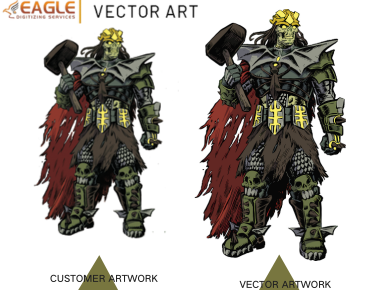
Eagle Digitizing is a leading provider of vector conversion services, known for their precision and expertise. They specialize in converting intricate designs into clean, scalable vectors. The company offers various vector conversion services including image trace, color separation, and vector logo design, ensuring that every design meets professional standards.
Choosing the Right Format
Selecting the appropriate vector format depends on the intended use. For web-based projects, SVG is typically the best choice due to its compatibility and lightweight nature. For print media, EPS is preferred because of its versatility and quality assurance. Understanding these nuances is crucial for leveraging the full potential of vector graphics.
Future Outlook for Vector Formats
As digital content continues to evolve, the role of vector graphics will become increasingly significant. Innovations in software and the growing demand for responsive design across devices hint at a future where vectors are even more embedded in everyday content creation. Designers and digital artists will benefit from staying updated on the latest trends and tools in vector graphics to maintain an edge in their work.
This blog provides an in-depth look into the significance of vector formats and the roles they play across various industries, while weaving in the services of Eagle Digitizing to highlight practical applications and services in vector conversion.