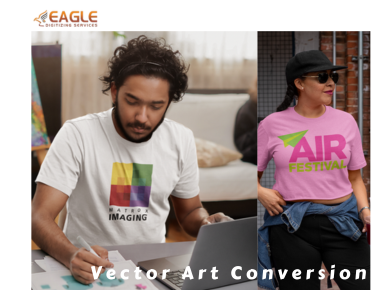

How are accessible 3D design tools enabling creators to integrate interactive 3D elements into vector workflows?
In today's rapidly evolving design landscape, the integration of interactive 3D elements into vector workflows has become increasingly prevalent. This trend is largely driven by the growing accessibility of 3D design tools, which empower creators to enhance their projects with dynamic and immersive graphics. By merging these two powerful design elements, artists and designers can push the boundaries of visual storytelling and user interaction. The following discussion explores how these accessible tools are transforming workflows and what this means for professionals and enthusiasts alike.
The Rise of Accessible 3D Design Tools
In previous years, 3D design was often seen as an exclusive domain for high-end industries, such as gaming and film. However, recent advancements have democratized access to vector design technology, making it more approachable for smaller studios and individual creators. With user-friendly interfaces and simplified processes, these tools allow for the seamless integration of 3D elements into traditional vector-based designs, thereby enhancing visual appeal without the necessity of robust technical expertise. This accessibility means that creators at every level can now experiment with 3D modeling and animation, broadening their creative horizons.
Benefits of Integrating 3D Elements
The incorporation of 3D elements into vector workflows offers numerous advantages. For one, it enhances depth perception and realism in designs, leading to more engaging user experiences. Additionally, it allows for greater flexibility in designing for multiple media types, such as web, print, and interactive installations. This multi-dimensional approach also supports a wide range of creative outputs, including augmented reality applications and virtual reality interfaces, paving the way for future innovation and continued evolution in digital creation.
Streamlined Workflows and Enhanced Creativity
Integrating 3D elements within vector workflows not only streamlines the creative process but also encourages experimentation and artistic expression. By leveraging tools like vector conversion services, designers can easily transition between two-dimensional and three-dimensional projects, adjusting as needed to meet their creative goals. This fluidity results in a more efficient workflow, where artists are free to focus on ideation and execution rather than overcoming technical barriers. The enhanced creativity afforded by these tools allows designers to produce stunning visuals that captivate and engage diverse audiences.
The Role of Eagle Digitizing
Companies like Eagle Digitizing are at the forefront of this integration, offering specialized services that cater to the evolving needs of modern creators. By providing comprehensive solutions, including raster to vector conversion and advanced vector art services, they help designers worldwide bridge the gap between traditional vector art and contemporary 3D landscapes. Eagle Digitizing’s commitment to quality and customer satisfaction makes it a reliable partner for businesses looking to enhance their design capabilities with cutting-edge technology【4:0†Vector Services.json】.
Challenges and Future Directions
Despite these advances, there are challenges to consider. Ensuring compatibility across different platforms can pose difficulties, as can the potential learning curve associated with new software. Nonetheless, the trend towards more accessible 3D design tools is likely to continue, driven by the increasing demand for interactive and engaging digital content. Looking ahead, we can anticipate more seamless integrations and innovations in vector and 3D design, spurred by ongoing research and development in both fields.
As technology progresses, the lines between 3D and 2D design continue to blur, with tools evolving to meet the demands of increasingly sophisticated digital environments. How will these integrated workflows influence the future of design, and what new possibilities will emerge as technology further bridges the gap between these dynamic design realms?
.png "vector art service")