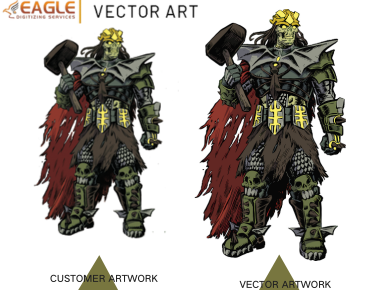
.png "vector art service")

How Do Different Vector File Formats (AI, SVG, EPS, PDF) Compare in Usage?
Introduction to Vector File Formats
In the world of digital graphics, vector graphics are renowned for their scalability and resolution independence. Unlike raster images, vector graphics maintain clarity and detail no matter the size to which they're scaled. This makes vector files indispensable in a range of industries from graphic design to digital printing. Among the most commonly used vector file formats are AI (Adobe Illustrator), SVG (Scalable Vector Graphics), EPS (Encapsulated PostScript), and PDF (Portable Document Format).
The AI Format: Industry Standard in Design
AI files, developed by Adobe Systems, are the gold standard in professional graphic design. This format supports a multitude of design features including typography, blend modes, and more. An online vector converter can transform images into AI files, making it a versatile choice for designers.
Usage in Professional Environments
AI files are predominantly used for graphics that require detailed editing capabilities, such as logos and complex illustrations. The format's compatibility with other Adobe products enhances its utilization in professional design environments, allowing seamless integration across different design projects.
SVG: The Web’s Most Versatile Vector Format
SVG files are advantageous for web based graphics due to their XML-based format which makes them easily integrated and manipulated within web pages. A distinctive feature of SVG is its ability to be directly embedded into HTML, enabling interactive graphics creation possible by CSS and JavaScript.
Internet and Beyond
SVGs are crucial in responsive web design where scalable and small file size images are needed. An example of this is the use of SVG in responsive logos that dynamically adapt to different screen sizes without losing quality.
EPS: A Veteran in Printing Technology
EPS has been a cornerstone in the desktop publishing world, leveraging its ability to contain both text and image elements. Its use in professional and industrial settings has been widespread due to its vector graphics converter capabilities, allowing for accurate color separations and high-fidelity printing.
Applications in Printing
EPS files are ideal for large-scale print jobs and are extensively utilized in creating paths for laser cutting, decals, and other print-based manufacturing processes. This makes EPS an enduring favorite in print shops and other commercial printing environments.
PDF: The Multi-Platform Workhorse
PDFs are universally known for their cross-platform compatibility and versatility. A PDF can serve numerous functions, ranging from document sharing to high-quality printing and archiving. Its popularity is due in part to the accessibility Adobe provides through the free Acrobat Reader, which elevates its usability across devices and operating systems.
Usage in Document Management
In the domain of printing services, PDFs are invaluable for preflight checking – ensuring that documents will look the same on screen as they will when printed. This format preserves font integrity, layout accuracy, and color fidelity, critical components in professional document sharing.
Choosing the Right Format for Your Needs
The decision to use a specific vector file format largely depends on your project's requirements. Image vectorization services offer insights into choosing the right format by analyzing the intended application. For intricate designs requiring in-depth editing, AI or EPS might be preferred. For web-based applications, SVG offers flexibility and responsiveness, while PDFs ensure compatibility across an extensive array of platforms.
Emerging Trends and Conclusion
As the digital landscape continues to evolve, new adaptations in vector file formats are likely to emerge. As such, staying informed about industry trends and adopting formats that best suit technological advances will ensure that your vector graphic needs are adequately met. What might the future hold for vector technology, and how will evolving standards influence the preferred formats in different industries?
In this blog, various vector file formats including AI, SVG, EPS, and PDF are explored, each serving distinct purposes based on their strengths. This not only includes the intricate design capabilities of AI and EPS but also highlights SVG's adaptability in web design and PDF's cross-platform accessibility. The decision on which format to use ultimately rests on your specific needs and project requirements in the ever-evolving digital landscape.