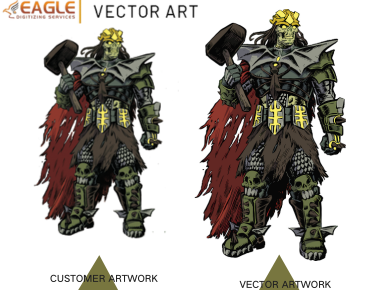

Why Would You Want to Vectorize an Image?
In the world of digital graphics, the difference between vector and raster images can be as distinct as night and day. One of the fundamental ways professionals in design and marketing ensure clarity and scalability in their work is by vectorizing images. But what makes vectorization so uniquely powerful and desirable in the world of imagery? Let's dive into the reasons why you might want to vectorize an image and the benefits that come with it.
What is Vectorization?
Vectorization is the process of converting raster images, made up of pixel grids, into vector graphics composed of paths defined by mathematical equations. This transformation ensures images remain crisp and high-quality regardless of size adjustments. While raster images blur when enlarged, vector formats maintain detail and clarity. As a result, industries ranging from advertising to apparel heavily rely on vector formats for production and branding.
Enhanced Image Scalability
One of the primary advantages of vectorizing an image is scalability. Unlike raster images that pixelate when resized, vector images can be resized infinitely without losing quality. This is because vector graphics utilize mathematical formulas to define paths instead of storing pixel data. Whether you're designing a tiny logo for a business card or a massive one for a billboard, the scalability of vector graphics ensures the image remains crisp and clear. This is particularly important in industries where professional printing is necessary, such as marketing and branding.
Smaller File Size Without Quality Loss
Vector images typically have smaller file sizes compared to raster images. Because they are defined by mathematical equations rather than storing information for each pixel, they require less data to accurately render an image. This is invaluable for web use, where faster loading times are crucial for user experience. Whether you're using vector art for digital graphics or web designs, the potential for faster file uploads without quality compromise can make a significant difference.
Easy Edits and Updates
Another compelling reason to vectorize images is the ease with which they can be edited. Since vector images are comprised of paths, modifying individual elements is straightforward. Colors, shapes, and line thicknesses can all be adjusted effortlessly within vector-editing software, making ongoing updates much less labor-intensive compared to raster images. This flexibility is particularly advantageous for designers who frequently alter their designs to meet client needs or evolving brand guidelines.
Application Across Various Industries
Vectorizing images finds applications in various industries, and one of the key areas is professional printing. Companies involved in promotional materials, such as print shops and marketing agencies, rely on vector images for high-quality output. Additionally, apparel industries utilize vector artwork for designs on textiles, ensuring vibrant and precise prints. Services like Eagle Digitizing offer extensive vector conversion services to cater to these needs, providing businesses with scalable, editable, and crisp imagery perfect for bespoke merchandising.
Precision and Quality
Vector drawings are known for their precision. Every aspect of a vector design is defined mathematically, which means that each curve, angle, and bend is treated accurately, resulting in a cleaner and visually appealing result. This is crucial for industries that require high-detail work, such as engineering and architectural designs. By vectorizing images, businesses can ensure they present the highest quality visuals possible.
Efficient Use in Branding
Vectorization plays a significant role in branding since company logos often require scaling to fit various formats. A logo could appear on a small business card and a large storefront sign, yet it must convey the brand consistently and professionally across all sizes. For this reason, many businesses invest in converting their logos and promotional images into vector formats. By ensuring clarity in all branding materials, companies maintain a professional image that contributes to their brand identity.
The benefits of vectorizing images extend beyond mere aesthetic perfection. They enable efficient production processes and facilitate diverse applications across numerous fields. With the ongoing advancements in digital technologies, the significance of vector graphics continues to grow, promising even broader applications in the future. Whether for precision, scalability, efficiency, or impact, vector graphics provide a robust foundation for any image-reliant enterprise looking to make a lasting impression. As technology evolves, so will the potential applications of vectorized designs, opening up endless possibilities for businesses worldwide.

.png "vector art service")