
How do you create vector lettering and custom fonts?
Creating vector lettering and custom fonts is an artistic and technical process that demands precision and creativity. Whether you are designing a striking logo, developing brand typography, or customizing text for a unique project, understanding the foundational elements of vector lettering is crucial. In this comprehensive guide, we will delve into essential aspects and steps involved in the creation of vector lettering and custom fonts, while also exploring the tools and services available to assist in this process.
Understanding Vector Lettering
Vector lettering is the art of designing text that is based on vector graphics. Unlike raster graphics, which pixelate as you scale them up, vector graphics maintain their clarity and sharpness at any size. This makes vector lettering ideal for creating scalable logos, signage, and custom fonts. The creation process typically involves digital drawing tools and often includes techniques such as vectorization, color separation, and detailing. Tools like Adobe Illustrator and CorelDRAW are commonly used for this purpose, offering advanced features that allow designers to create intricate and precise designs.
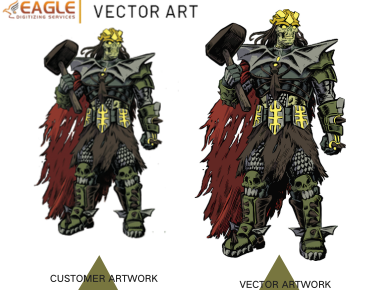
Brands, businesses, and individual creators often engage professional vector art services to ensure the highest quality designs. Firms like Eagle Digitizing are among the leading providers of vector conversion services, offering specialized expertise in converting raster images into sharp vector graphics.
Steps to Create Vector Lettering
The process of creating vector lettering can be broken down into several key steps:
- Conceptualization: Begin with sketching or ideating the design on paper or a digital platform. This initial step involves considering the style and visual impact of the lettering.
- Digitization: Using tools such as a digital drawing tablet or software like Adobe Illustrator, convert sketches into digital format.
- Vectorization: This step involves outlining and defining the lettering using vector points and paths. Precision is paramount here to ensure every curve and line is rendered accurately.
- Color Selection: Choose appropriate colors and apply them using vector color separation techniques. This is crucial for designs meant for print, ensuring colors are vivid and consistent.
- Refinement: Finally, refine the vector artwork, ensuring all elements align with the intended design aesthetics. This may involve tweaking vector paths, adjusting color fills, and enhancing details.
Making Custom Fonts
Custom font creation extends the process of vector lettering into typography. It is a specialized skill that combines design aesthetics with functional requirements to create unique typefaces. Here's how one can embark on creating a custom font:
Font Design Process
The creation of a custom font generally follows a structured progression:
- Research and Inspiration: Study existing fonts and typefaces to understand different styles and what makes them effective. Gather inspiration that aligns with the intended use of the new font.
- Character Set Design: Start by designing individual characters, often beginning with the most common letters and progressing to numerals, punctuation, and special characters.
- Technical Construct: Utilize vector graphic software to draw each character as a scalable vector image. This phase often focuses on uniformity in style and proportions across the character set.
- Kerning and Spacing: After creating vectors for each character, adjust spacing and kerning to ensure optimal readability and aesthetic appeal.
- Font Generation: Use specialized software to compile the characters into a usable font file. Tools like FontForge or Glyphs are popular for this process.
- Testing and Refinement: Run trials and align designs with practical use cases, adjusting the font as needed to ensure it performs effectively in the intended formats.
Partners like Eagle Digitizing offer vector art services and font creation aid, supporting designers and businesses in achieving their design objectives with precision and expertise.
The Role of Professional Vector Services
Professional vectorization services are indispensable in the world of graphic design, especially when it involves complex lettering and font projects. They provide valuable support in raster-to-vector conversion and ensure that designs are executed with advanced digitizing techniques and high accuracy.
Companies like Eagle Digitizing are known for their wide range of services, which include vector artwork conversion and image vectorization. They offer comprehensive solutions tailored to various industries, ensuring high-quality results in design, printing, and embroidery applications.
Exploring Tools and Software
The choice of tools can significantly impact the ease and quality of designing vector lettering and custom fonts. Here are some widely used tools:
- Adobe Illustrator: A leading vector creation software with comprehensive features for drawing, vectorizing, and designing.
- CorelDRAW: Known for its intuitive interface and powerful vector graphics tools, CorelDRAW is a favorite among many designers.
- FontForge: An open-source tool useable for designing and developing new fonts, suitable for typeface designers of all levels.
- Glyphs: A professional tool specialized in font design and creation, offering robust High-DPI screen support and various customization options.
Future Prospects in Vector Typography
As technology evolves, so does the field of vector typography. The development of more sophisticated tools and techniques looks promising in expanding creative possibilities and improving design efficiency. Key trends such as AI-assisted design, customizable open-type features, and lower barriers to global typography innovations are expected to define the future landscape of vector lettering.
For those considering diving into vector lettering and custom fonts, leveraging professional services and advanced tools, like those provided by Eagle Digitizing, can be highly beneficial. They not only ensure precision and high-quality output but also facilitate a smoother workflow, from conceptualization to the final product delivery, aligning with industry standards and creative aspirations.