
How is machine embroidery used in current days?
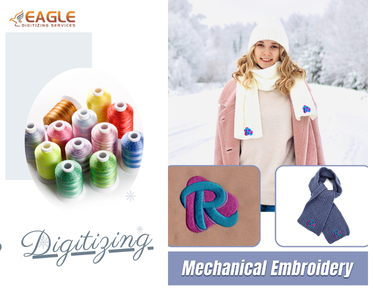
Machine embroidery has evolved significantly over the years, becoming an integral part of various industries. Today, it is not just a craft but a sophisticated process that combines technology and creativity to produce intricate designs on fabrics. The modern applications of machine embroidery are vast and varied, ranging from fashion and home décor to corporate branding and promotional products.
Fashion Industry
In the fashion industry, machine embroidery is used to add intricate details to garments, enhancing their aesthetic appeal. Designers use embroidery to create unique patterns and textures that set their collections apart. The ability to produce detailed and consistent designs quickly makes machine embroidery a favorite among fashion houses. It allows for the customization of clothing, making it possible to produce personalized apparel that meets the specific tastes of consumers.
Home Décor
Machine embroidery is also widely used in home décor. From embroidered cushions and curtains to bed linens and tablecloths, embroidery adds a touch of elegance and sophistication to home interiors. The use of embroidery in home décor allows for the creation of bespoke items that reflect the homeowner's personal style. This customization is particularly appealing in a market where consumers are increasingly looking for unique and personalized products.
Corporate Branding and Promotional Products
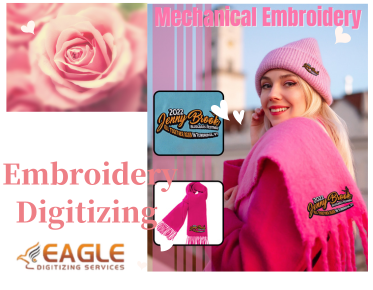
Corporate branding is another area where machine embroidery plays a crucial role. Companies use embroidery to add logos and brand names to uniforms, caps, and other promotional items. This not only helps in brand recognition but also adds a professional touch to corporate apparel. Promotional products such as embroidered hats, shirts, and bags are popular marketing tools that help businesses increase their visibility and reach a wider audience.
Technological Advancements in Embroidery
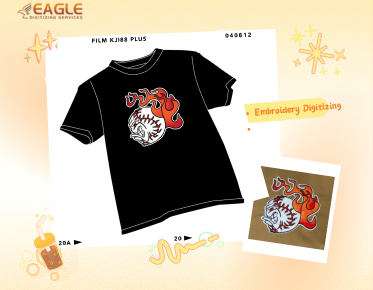
The advancements in embroidery technology have made it possible to produce complex designs with high precision. Modern embroidery machines are equipped with sophisticated software that allows for the digitization of designs. This process, known as embroidery digitizing, involves converting artwork into a digital format that can be read by embroidery machines. Companies like Eagle Digitizing specialize in providing high-quality digitizing services, ensuring that designs are accurately translated into stitch files that machines can execute efficiently.
Custom Embroidery Services
Custom embroidery services have become increasingly popular, offering businesses and individuals the opportunity to create personalized designs. These services cater to a wide range of needs, from small businesses looking to brand their products to individuals seeking unique gifts. The flexibility and precision of machine embroidery make it an ideal choice for custom projects, allowing for the creation of detailed and durable designs.
Environmental and Economic Impact
Machine embroidery also has a positive impact on the environment and economy. By enabling the production of high-quality, durable products, it reduces the need for frequent replacements, thereby minimizing waste. Additionally, the efficiency of modern embroidery machines helps reduce production costs, making embroidered products more accessible to a broader market.
Future Trends in Machine Embroidery
Looking ahead, the future of machine embroidery is promising. As technology continues to advance, we can expect to see even more innovative applications of embroidery in various industries. The integration of smart textiles and wearable technology with embroidery is an exciting development that could revolutionize the way we interact with our clothing and accessories. Moreover, the growing demand for sustainable and ethical fashion is likely to drive further innovation in embroidery techniques and materials.
In conclusion, machine embroidery is a versatile and dynamic process that continues to evolve and adapt to the needs of modern consumers. Whether used for fashion, home décor, or corporate branding, embroidery offers endless possibilities for creativity and customization. As we move forward, the role of machine embroidery in our lives is set to expand, offering new opportunities for innovation and expression.