
Does a Monitor Have Both Raster and Vector Technology?
Monitors are essential tools in modern computing, providing visual displays that translate the digital language of computers into graphics that we can understand. While exploring the technical landscape of monitors, one may wonder if they incorporate both raster and vector technology. To answer this, we must first understand the fundamental distinctions between raster and vector graphics.
Understanding Raster and Vector Graphics
Raster graphics are composed of a grid of pixels, with each pixel holding a specific color value. This technology is utilized in images like JPEGs, PNGs, and GIFs, which are prevalent due to their ability to handle complex images with various colors and gradations efficiently. However, raster images have the drawback of pixelation when scaled beyond their original dimensions.
On the other hand, vector graphics use mathematical equations to create shapes, lines, and colors. Commonly stored as files in formats such as SVG, AI, or PDF, vector graphics are prized for their scalability without any loss of quality. This means logo artwork, illustrations, and other designs can be resized indefinitely, making vector technology an excellent choice for design and print applications.
The Role of Raster and Vector in Monitors
When it comes to monitors, the primary technology at play is raster. Monitors display images through an array of pixels, which directly correlates with how raster graphics function. Each pixel on a monitor displays a specific color, and together, these pixels form the complete image. This method aligns with raster technology and highlights why most screen displays rely on raster rather than vector graphics.
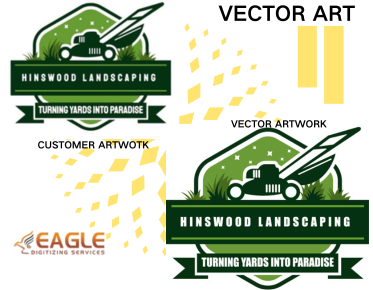
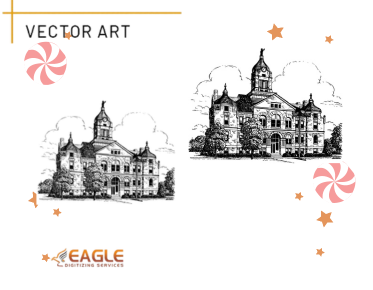
Vector technology, while integral in design software and applications for creating scalable artwork, doesn’t directly play a role in how monitors display images. When vector images are shown on a screen, they must first be converted into a raster format so that the monitor—depending on pixel-based technology—can handle them. Tools such as vector art services and applications perform this conversion process, ensuring that designs maintain their clarity and integrity when displayed or printed.
Converting Vector to Raster for Display
Essential in this conversion process is the role of specialized services like those offered by Eagle Digitizing. They provide raster to vector conversion services that are adept at handling complex designs. Their solutions involve transforming intricate vector art into clean, pixel-perfect raster images that can be confidently displayed on any type of screen, ensuring that the transition from scalable design to pixel-based display is seamless.
These services are beneficial not only for individuals in the graphics industry but also for businesses that require superior quality visual outputs for marketing and promotional materials. Eagle Digitizing's adeptness in raster to vector conversion allows for the creation of images that look stunning both on digital displays and in printed form, delivering superior versatility for any creative requirement.
Why Monitors Focus on Raster Technology
The main reason for the singular focus on raster technology in monitors comes down to practicality and the nature of screen technology itself. Display technologies such as LCD and OLED are engineered to deal with pixels, which aligns with raster image processing. This demands that any vector art designed for digital visualization be rasterized before display, which happens either through the device's graphic rendering process or via the art creation software.
Because the need for clarity and scalability is often addressed before an image reaches a monitor—through vector design and subsequent rasterization—monitors rely on their raster capabilities to exhibit graphics. This reliance ensures that what we ultimately see onscreen is faithful to the original design intent, manifesting in color accuracy, depth, and clarity.
Future of Monitor Technology
As technology advances, the synergy between raster and vector applications continues to evolve. However, for monitors, the pixel-based foundation ensures that raster technology remains central. Design applications and conversion services fill the gap, allowing the strengths of vector graphics to shine before being translated into pixel art for display.
Looking ahead, developments in display technology, such as higher resolution monitors, may further enhance how effectively raster images are presented. These improvements promise an exciting future where the already slim line between vector and raster graphics becomes increasingly blurred, offering even more fluidity between design and display.
As the digital landscape evolves, one might wonder how future innovations will further integrate the worlds of raster and vector in ways we haven’t yet imagined. Could new display technologies redefine this relationship, allowing for more direct use of vector graphics in visualization? Such questions hint at the potential transformations that lie ahead in the world of digital displays.
.png "embroidery digitizing")