
Best Embroidery Digitizing Service Questions Customers Ask Before Ordering patch order artwork
The best embroidery digitizing service questions customers ask before ordering patch order artwork focus on fabric, size, stitch limits, and file quality before quoting. The right answers prevent distorted borders, messy lettering, and rework, and they start with professional embroidery digitizing plus a clean artwork review. Upload Your Design early so problems can be caught before production.
When customers ask the right questions up front, patch orders move faster, sew cleaner, and look more consistent on uniforms, jackets, hats, and branded apparel. That is why clear communication is part of the production process, not an extra step.
Ask About the Artwork Before Anything Else
Good patch results begin with the file, not the machine. Ask whether your art needs vector cleanup, whether text is readable at the final size, and whether the logo has enough clarity for stitch-based production. A fuzzy image can turn into uneven edges and weak detail.
Confirm Patch Size, Fabric, and Placement
Patch artwork must match the garment or accessory it will land on. A design that looks great on a jacket may not work on a cap, sleeve, or small chest area. Fabric compatibility, pull compensation, and underlay all matter because different materials shift in different ways during stitching.
Know the Limits of Small Lettering and Fine Detail
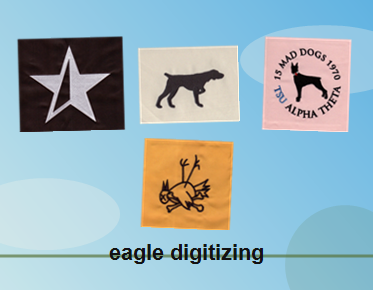
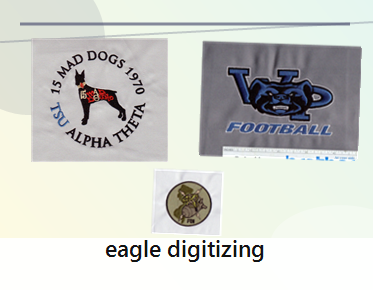
Customers often want tiny names, thin lines, or complex shading inside a patch. Those details can break down quickly if the stitch density is too high or the lettering is too small. Thread direction and sew-out testing help control how the design reads once it leaves the screen and becomes thread.
Understand the Quote Before You Approve It
Many buyers ask about embroidery digitizing cost first, but a fair quote depends on stitch count, cleanup time, color changes, and the complexity of the patch border. A simple emblem and a detailed logo are not priced the same, even if they look similar at a glance.
Compare Value, Not Just the Lowest Price
If you are checking the cost to digitize logo for embroidery, ask what is included. A low price without proper revision support, production-ready settings, or clean stitch sequencing can cost more later. The best value is the file that sews correctly the first time and protects your brand image.
For a production-ready quote, Contact Us with your artwork, size, and patch details. The more specific the request, the easier it is to give you an accurate recommendation for your order.
What the Digitizer Needs From Your Team
A reliable logo embroidery digitizing service will usually ask for source art, finished size, fabric type, patch backing, and intended placement. Those details help set the right stitch density, underlay, and edge treatment so the final patch matches the customer’s brand standards.
Why File Preparation Shapes the Sew-Out
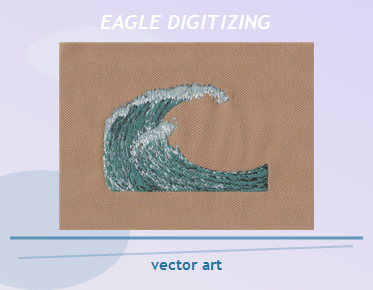
Patch orders depend on clean file preparation workflow. Raster art often needs tracing before stitching can begin, while vector files usually need cleanup to sharpen shapes and remove extra points. If you are comparing where to get a logo digitized for embroidery, ask whether the team prepares art for real production, not just for screen display.
What Causes Patch Artwork to Fail on the Machine
Most production issues come from avoidable setup problems: overly dense fills, weak edge paths, poor pull compensation, or artwork that was never built for embroidery limitations. A patch can look perfect in a mockup and still shift during stitching if the file does not account for how thread behaves on the chosen fabric.
How a Better Ordering Process Reduces Rework
Customers who order with complete information usually get fewer surprises and faster approvals. Eagle Digitizing helps customers move from concept art to production-ready embroidery files by reviewing the design for stitch logic, shape clarity, and realistic detail levels before the job reaches the machine.
FAQ
What should I ask before ordering patch order artwork?
Ask about size, fabric type, stitch limitations, artwork quality, and whether the file needs vector cleanup. These questions help prevent distortion, weak lettering, and patch edges that do not hold up in production.
Why does embroidery digitizing cost vary so much?
Pricing changes based on artwork complexity, stitch count, color changes, cleanup time, and whether the design needs special treatment for patches or small lettering. More detail usually means more digitizing time.
Do I need a vector file for patch embroidery?
Not always, but vector art is usually easier to prepare. If you only have a raster image, the file may need cleanup before embroidery digitizing so the final patch comes out crisp and consistent.
Start the Order With Better Artwork
Patch order artwork performs best when the questions are asked before stitching begins, not after a sample fails. If you want cleaner production, better file preparation, and fewer surprises at sew-out, reach out to Eagle Digitizing and Start Your Embroidery Project with a quote request today.