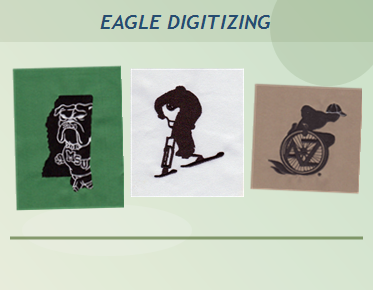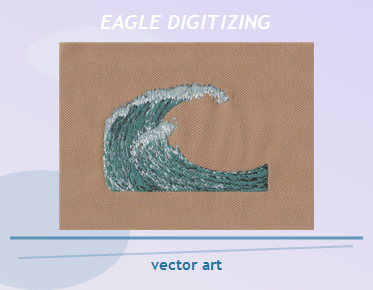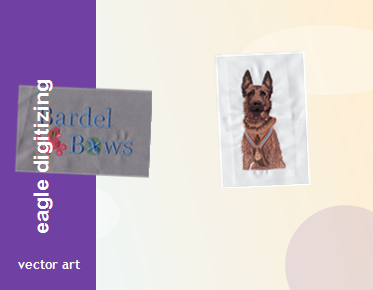

Why Manual Vector Conversion Is Better for online vector conversion service
Manual vector conversion is better for an vector conversion services workflow because it creates cleaner paths, stronger brand accuracy, and fewer embroidery problems later in production. A skilled artist can fix jagged edges, rebuild weak shapes, and prepare artwork that supports digitizing instead of fighting it. If you want a file that is easier to quote and sew, Upload Your Design.
Why Human Cleanup Wins Before Stitching Starts
Online tools can trace a shape, but embroidery needs more than tracing. Manual conversion lets a specialist repair breaks, simplify busy edges, and shape artwork for real thread movement, which is critical when the design will become a logo, jacket back, or cap front.
Online Converters Miss the Details That Matter
A quick image to vector conversion online may look acceptable on screen, yet still leave poor curves, stray nodes, and uneven corners. Those flaws often become visible once stitch density, underlay, and pull compensation are added during embroidery digitizing.
Embroidery Does Not Forgive Bad Artwork
Thread has direction, tension, and thickness, so a design that works in print may fail on fabric. Manual vector conversion helps define clean outlines and better spacing before production begins, which reduces distortion on stretchy garments, structured caps, and textured fabrics.
Brand Logos Need Accurate Shape Control
When a client sends a rough JPG or PNG, a manual artist can rebuild the art into a proper logo vector file instead of depending on an automatic trace. That matters for brand consistency, especially when logos must stay sharp across uniforms, polos, and promotional apparel.
Free Tools Are Fast, But Not Always Production Ready
A free vector service may help with a concept draft, but it rarely solves fabric compatibility, small lettering limits, or stitch path logic. For embroidery, a good file has to support clean edges, readable text, and stable forms before it ever reaches the machine.
Raster Artwork Needs More Than Auto-Trace
A raster to vector conversion online tool usually follows color blocks instead of design intent. Manual cleanup can separate overlapping parts, remove noise, and balance curves so the artwork converts more smoothly into stitch-friendly sections with less revision.
Better Files Reduce Digitizing Rework
Eagle Digitizing sees this every day: unclear artwork slows down file preparation and increases the chance of embroidery revisions. When the vector file is cleaned properly first, digitizers can focus on stitch direction, underlay, and pull compensation instead of rebuilding basic shapes from scratch.
Small Lettering Requires Smart Simplification
Thin fonts, tiny wording, and tight monograms often look fine in a mockup but fail in production. Manual vector conversion helps simplify tiny details so the design stays readable after stitching, especially on left chest logos, caps, and sleeve placements.
Sew-Out Testing Reveals What Screens Cannot
Even a strong vector file still needs sew-out testing. The sample shows whether stitch density is too heavy, whether the underlay is supporting the shape, and whether the edges are pulling in on the chosen fabric. That test is where final production quality is confirmed.
Manual Preparation Speeds Up Better Approvals
Clients often want a quick approval, but a rushed file can create avoidable delays. Manual cleanup gives a clearer proof, fewer surprises, and a better first sample, which means the approval process is faster and the final embroidery matches the brand more closely.
What to Send for a Stronger Quote
If you need a clean production file, send the best artwork you have, note the garment type, and mention the final placement size. That gives the artwork team enough context to prepare the vector correctly and recommend the right path before digitizing begins. Get a Free Estimate when you are ready.
Why the Production Team Prefers Manual Vector Work
Manual vector conversion gives production teams more control over curves, spacing, and shape balance. It also helps when the design needs embroidery file preparation for different fabrics, because the cleaner the art, the easier it is to plan stitch angles and stable edges.
From File Cleanup to Finished Apparel Branding
The best embroidery results start before the first stitch. Clean artwork supports better digitizing, smoother sew-outs, and more reliable apparel branding across every order. When you are ready to move from a rough image to a production-ready file, Contact Us and Start Your Embroidery Project.
FAQ
Is manual vector conversion better for embroidery logos?
Yes. Manual conversion creates cleaner edges, better spacing, and more accurate shapes, which makes embroidery digitizing easier and the final stitchout more stable.
Why do online vector tools create problems for production?
They often leave extra nodes, rough curves, and weak paths. Those issues can affect stitch density, fabric compatibility, and the overall finish of the embroidered design.
What should I send before requesting vector cleanup?
Send the clearest artwork you have, plus the intended size, garment type, and placement. That helps the team prepare a stronger file for embroidery production.
Manual vector conversion is the safer choice when your artwork has to perform in the real world, not just on a screen. Eagle Digitizing focuses on production-ready file preparation so your design is easier to quote, cleaner to stitch, and more dependable across apparel branding projects. If you want a better starting point for your next order, Upload Your Design and move forward with confidence.