
Why the Same Design Behaves Differently on Different Garments
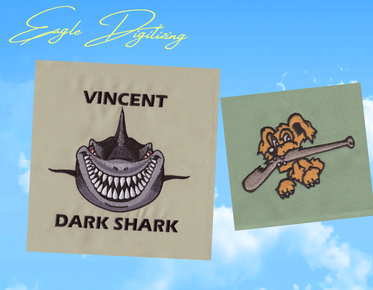
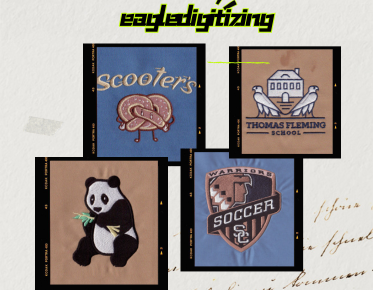
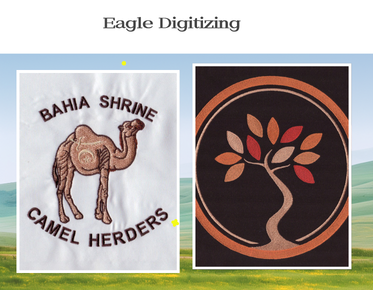
The same embroidery design behaves differently on different garments because fabric stretch, thickness, weave, and surface texture change how stitches land and hold shape. A smart plan for stitch density, underlay, and pull compensation is what keeps the result clean instead of puckered, blurry, or uneven.
If you need a production-ready review, Upload Your Design and request a quote now so the file can be matched to the right garment before stitching begins.
Different Garments Change the Stitch Behavior
A logo that looks perfect on a sample polo may spread on a hoodie or sink into fleece. That happens because each fabric reacts differently to pressure, thread tension, and needle movement, so the same art cannot be treated like a one-size-fits-all setup.
Fabric Compatibility Comes Before Decoration
Embroidery success starts with embroidery compatibility. Lightweight tees, thick sweatshirts, structured caps, and stretchy performance wear all need different stitch decisions. When the garment and design are matched early, the final stitch field stays more stable and the branding looks intentional.
Stitch Direction Can Change the Visual Result
Thread angle affects shine, coverage, and how much the design follows fabric movement. On textured or curved surfaces, the wrong stitch direction can make a logo look flat in one area and crowded in another, even when the artwork is identical.
Density, Underlay, and Pull Compensation Must Work Together
Too much stitch density can choke soft fabrics, while too little can leave gaps and weak coverage. Underlay supports the top stitches, and pull compensation helps the design keep its real shape after the fabric shifts during sewing.
Small Lettering Exposes Garment Differences Fast
Small lettering often fails first because different fabrics distort tiny shapes in different ways. A clean font on a stable jacket may turn unreadable on a knit tee. For that reason, thin serifs, tight spacing, and ultra-small details usually need simplification before production.
Vector Cleanup Is Not Just a Prettier File
Before digitizing begins, clean artwork reduces confusion and helps the stitch plan follow the right edges. Professional embroidery digitizing often starts with vector cleanup, because stray nodes, broken outlines, and uneven curves can create a bad path for the machine.
The Stitch File Has to Match the Garment, Not Just the Logo
A machine-ready stitch file should reflect the actual product, placement, and fabric behavior. A left-chest logo for a polo may need a different structure than the same logo for a structured cap, even if the artwork itself never changes.
Hooping, Stabilizer, and Machine Setup Matter More Than People Think
Even a strong design can fail if the garment is hooped too loosely, the wrong stabilizer is used, or the machine setup is rushed. These production details determine whether the stitches stay aligned or drift while the fabric moves under the needle.
Sew-Out Testing Reveals Real Problems Early
A sew-out test is the fastest way to catch distortion, crowding, and edge problems before full production starts. It shows how the design behaves on the actual fabric, not just on screen, and gives you a chance to fix embroidery issues before they become expensive.
Bulk Orders Need Consistency, Not Just a Good First Sample
In production runs, the goal is repeatable quality from the first piece to the last. That means the file must stay stable, the garment type must be known, and the machine settings must support the same result across the entire order, not only the sample.
What Buyers Should Send Before Requesting a Quote
To avoid delays, send the artwork, target garment type, size, placement, and quantity. If you already have an embroidery file, include it with the request. The more specific the input, the easier it is to quote accurately and prepare the job correctly.
Why One Design Can Look Better on One Garment Than Another
Some garments naturally help embroidery look sharper because they are stable and hold stitches well. Others stretch, pill, or bend around seams and curves. That is why the same embroidery logo can look premium on one item and slightly uneven on another.
How Eagle Digitizing Supports Better Production Results
Eagle Digitizing helps brands and decorators prepare artwork for real-world stitching, not just screen previews. When a design needs file cleanup, garment-aware adjustments, or a more production-friendly structure, the right setup can reduce rework and improve stitch quality across different apparel types. Start Your Embroidery Project today if you want the next run to be easier to stitch and easier to approve.
FAQ
Why does the same embroidery design look different on different fabrics?
Because each fabric stretches, shifts, and holds thread differently. A design may need different density, underlay, or compensation depending on whether it is stitched on cotton, fleece, knitwear, or a structured cap.
What should I send for an accurate embroidery quote?
Send the artwork, garment type, desired size, placement, quantity, and any existing stitch file. That information helps the digitizer match the design to the fabric and price the job more accurately.
Why is a sew-out test important before production?
A sew-out test shows how the design actually behaves on the garment. It helps catch distortion, poor coverage, or sizing issues early, before they affect a full order.
When a design has to work across tees, polos, hoodies, and caps, the real advantage comes from preparing it correctly before the first stitch is sewn. Eagle Digitizing can help turn one artwork into a more reliable production file, so you get better consistency and fewer surprises. If you are ready to move forward, Quote Now or Get a Free Estimate and start with a file built for the garment you actually plan to decorate.