
Challenges of Vectorizing Vintage Logos
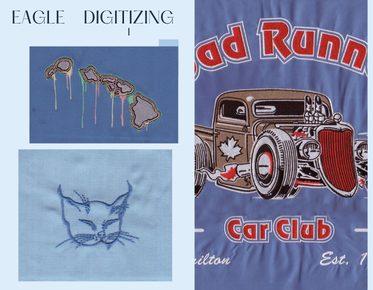
Vectorizing vintage logos is challenging because old artwork often has faded lines, uneven curves, missing details, and color damage that do not translate cleanly into embroidery or print. The best results come from careful vector conversion, manual cleanup, and production-aware adjustments that protect the logo’s character while making it usable.
If you already have an old brand mark, Upload Your Design and get a quote before production starts. A quick file review can reveal whether the art needs cleanup, simplification, or full redrawing.
Why Vintage Logos Lose Clarity
Vintage logos were often printed on paper, scanned multiple times, or pulled from worn garments. That history creates blur, cracks, and uneven edges, which makes a simple trace unreliable and raises the risk of distortion in the final artwork.
Why Automatic Tracing Usually Misses the Mark
Auto-trace tools follow pixels, not design intent. They can turn a smooth badge into jagged curves, distort letter spacing, and create extra points that make the logo harder to clean and less stable for production use.
What Has to Be Rebuilt by Hand
When the source image is weak, every major shape needs judgment. Curves, serif ends, emblems, and text spacing often need manual rebuilding so the finished vector logo looks intentional instead of machine-generated.
Why Small Details Become Production Problems
Vintage logos often include thin lines, tiny lettering, and decorative flourishes that work in print but fail in thread. Those details may need simplification because embroidery has limitations with minimum size, stitch direction, and edge sharpness.
How Embroidery Changes the Vectoring Process
A logo that looks acceptable on screen may still create trouble on fabric. Stitch pull, underlay needs, and thread direction all affect how the final design reads, so the artwork must support embroidery from the start.
Stitch Density and Shape Stability
If the vector is too busy, digitizing usually becomes inefficient and the logo may stitch too dense. Clean spacing helps the digitizer set proper stitch density and pull compensation without overloading the fabric or flattening the design.
Fabric Compatibility Starts in the Artwork Stage
Knits, caps, jackets, and soft cotton all react differently under a needle. A solid vector file helps the production team plan edges, reduce distortion, and choose the right approach for each garment type.
Why Cleaning the Source Matters Before Digitizing
A smart vector cleanup removes noise before embroidery file preparation begins. That lowers the chance of extra edits, shortens approval cycles, and gives the digitizer a cleaner starting point for stitch planning.
When Redrawing Is Better Than Tracing
If a vintage mark is heavily damaged, full redrawing often beats tracing every flaw. Rebuilt outlines can restore symmetry, improve readability, and keep the logo consistent across apparel branding, signage, and print applications.
What Makes a File Ready for Production
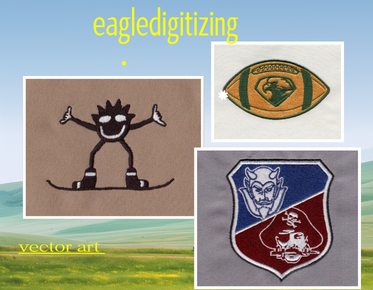
A usable file should be sharp, balanced, and easy to scale. Good vector art supports clean edges, clear shape relationships, and fewer surprises when the design is converted into embroidery stitches.
How Eagle Digitizing Helps with Vintage Artwork
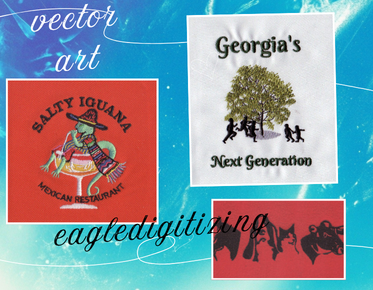
Eagle Digitizing works with artwork that needs cleanup, redrawing, or production preparation before it can be used for embroidery. That matters because poor source files can cause uneven lettering, unstable edges, and avoidable rework during the digitizing stage.
Common Mistakes Brands Make with Old Logos
Many businesses send low-resolution screenshots, accept auto-traced files, or keep every vintage detail even when the design is too small for thread. Those choices often lead to stitching issues, slower approvals, and a less polished finish.
How to Protect the Original Brand Feel
The goal is not to erase the vintage character. It is to preserve the style while improving shape accuracy, spacing, and scalability. The best vector design keeps the personality but removes production risk.
When to Ask for a Full Vector Recreate
If the file is blurry, broken, or missing pieces, a full recreate is usually the safest route. It gives the production team a cleaner foundation for embroidery file preparation, sew-out testing, and consistent results across different garments.
How to Speed Up Quoting and Approval
Send the clearest source available, note any text that must remain exact, and mention where the logo will be used. That helps the team decide whether the art needs cleanup, simplification, or a full rebuild before you approve the job. Contact Us if the source file is unclear.
Why Sew-Out Testing Still Matters
Even a strong vector can behave differently once it hits fabric. Sew-out testing helps confirm edge quality, letter legibility, and stitch balance before full custom embroidery production begins, especially for logos with history and detail.
Frequently Asked Questions
Can a low-resolution vintage logo still be vectorized?
Yes, but it may need manual cleanup or redrawing. The worse the source image quality, the more important accuracy and shape correction become before digitizing.
Why is vectorizing vintage logos harder for embroidery than for print?
Embroidery has stitch limits, fabric movement, and small-lettering constraints. A file that looks fine on screen may still need simplification to stitch cleanly.
What should I send for the best quote?
Send the clearest image you have, plus any notes about size, garment type, and exact wording. That helps Eagle Digitizing prepare the file correctly and recommend the right next step.
When vintage branding has to look clean on apparel, the file preparation stage makes all the difference. Eagle Digitizing can help turn damaged artwork into production-ready artwork, so your logo keeps its character while stitching better and wearing better. Start Your Embroidery Project today and move forward with confidence.