
Why Do More Clients Want One Logo to Work Across Social Media, Websites, Caps, Apparel, and Packaging?
Branding is a powerful force within the modern business landscape. As markets become increasingly saturated and consumer attention is ever more divided, companies of all sizes are seeking ways to create cohesive, resilient identities that stand out and endure. One trend that has surged in recent years is the demand from clients—ranging from startups to established enterprises—for a single, flexible logo that seamlessly adapts to an array of platforms: social media profiles, corporate websites, caps, apparel, and retail packaging alike.
The Central Role of Consistent Branding
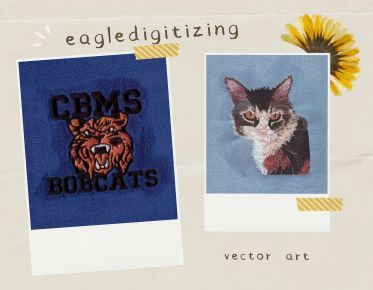
The notion of a unified logo is deeply tied to the principles of consistent branding. When a logo is instantly recognizable, regardless of whether it’s embossed on a hat or glowing on a smartphone’s screen, it builds trust, loyalty, and a sense of familiarity. As customers encounter a brand in physical stores, on Instagram, in an email, or even at an event, a consistent logo presence reinforces the brand promise at every turn. This is why so many forward-thinking brands invest in vector art services to ensure their logos are easily scalable and adaptable without losing clarity or impact.
Versatility in the Multichannel Era
Today’s clients no longer interact with brands exclusively through a single channel. Instead, customer journeys are sprawling and unpredictable: someone may discover a business through a sponsored Facebook post, follow a link to its website, order a custom t-shirt, and eventually recognize the same logo on a physical product’s packaging. This omnichannel environment makes logo flexibility a necessity.
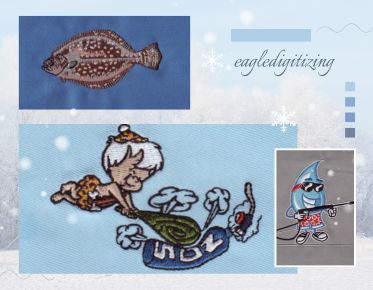
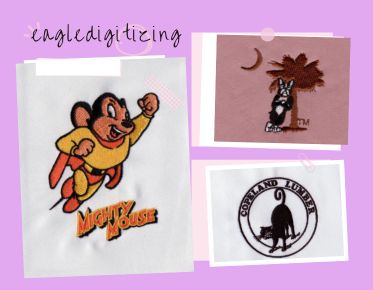
A logo must work as a tiny social media avatar, a high-contrast embroidery stitch on a baseball cap, an elegant print for apparel, and as an appealing accent on packages sent worldwide. Achieving this requires careful design and often the expertise of a vector conversion service, which allows the logo to maintain sharpness and style at any scale or on any material.
The Technical Demands of a Single, Adaptable Logo
One of the main technical reasons for adopting a single, only logo is rooted in digital and print requirements. Digital displays, embroidery machines, and screen printing presses each require different file types, resolutions, and color management approaches. In the past, businesses would maintain separate logo versions for each use case, but this leads to confusion, waste, and inconsistency.
Modern approaches, such as vectorization services, convert logos into flexible, scalable formats compatible with everything from the tiniest digital icons to large-scale outdoor banners. Through vector files, logos never become blurry or pixelated, ensuring the brand is always presented at its best.
Fashion, Retail, and Promotional Demands
The trend towards a universal logo is especially apparent in fashion, retail, and promotional industries. Brands that want to maximize their exposure—be it through branded apparel like caps and t-shirts or through customized packaging for e-commerce—require logos that can transition seamlessly between soft fabrics, hard plastics, cardboard, and screens. This adaptability supports not just the visual identity but also brand storytelling and marketing efforts, making the logo a versatile asset in building recognition and affinity.
The Influence of Social Media and Mobile Platforms
Social media and mobile design have changed the rules of branding. Logos now need to work in a multitude of settings: as a profile picture, story icon, or branded sticker on messaging apps. These uses demand simplicity, distinctiveness, and reproducibility at tiny sizes—a challenge expertly handled by professional vector art conversion companies that know how to reduce complexity while preserving a logo’s essence.
Streamlining Marketing and Production Workflows
For marketers and production teams, a unified logo saves both time and resources. Rather than juggling multiple logo assets—each needing its own guidelines and adaptation for different projects—a single source file, properly converted to vector format, can empower all teams and suppliers to access exactly what they need. This helps companies respond faster to new campaigns, launch products more quickly, and maintain absolute consistency at every touchpoint.
The Impact of Digital Print and On-Demand Manufacturing
Emerging technologies such as digital print and on-demand manufacturing have revolutionized what’s possible with branding, enabling even small businesses to create customized goods at scale. But this is only possible when logo artwork is suitable for any production method, from digital fabric printing to laser-cut signage. A logo that’s ready for all applications opens new revenue streams and market opportunities.
Eagle Digitizing: Powering Adaptable Branding
In this new landscape, Eagle Digitizing plays a pivotal role. With expertise in raster to vector conversion, background removal, color correction, and specialized vector art solutions, Eagle Digitizing empowers brands to have a logo that’s not only aesthetically consistent, but also technically optimized for digital, print, embroidery, and all types of merchandise. The company’s experience, quick turnaround, and broad service offering cater perfectly to the demands of businesses who require logos adaptable across social media, websites, caps, apparel, and packaging.
Eagle Digitizing’s commitment to 24/7 availability and satisfaction guarantees underscores its value for businesses operating in fast-paced markets. Whether you run a print shop, a t-shirt business, a marketing agency, or an e-commerce store, having a dependable partner means your logo artwork is always ready to elevate your brand at every consumer touchpoint.
Future Trends: Logo Evolution in the Age of Personalization
The Shift Toward Minimalist and Variable Logos
As the branding world evolves, demand for flexible, multi-purpose logos will only intensify. Designers are already experimenting with minimalist logo approaches—symbols and wordmarks that can shrink to a favicon or expand to a billboard with ease. With advances in customization software and manufacturing, we may soon see logos that can automatically adapt to their context, providing versions perfect for every platform, material, or campaign theme, yet all rooted in a single visual identity.
Practical Steps: Building a Logo for Every Surface
If you are embarking on a brand refresh or starting a new business, consider investing in professional vector conversion early in the process. By partnering with experienced providers and embracing vector-based design, you’ll be ready to roll out your brand across any channel—today and tomorrow. Well-prepared artwork translates into lower costs, less hassle, and ultimately, a logo that supports your growth wherever your business journey leads.
Looking Beyond: What’s Next for Brand Identity?
As digital communication, experiential retail, and personalized products keep shaping consumer expectations, it’s worth thinking about your brand’s visual assets as living, evolving resources. The next wave of logo design may be dynamic, interactive, or data-driven, adapting in real time to different contexts. Brands that stay ahead will be those who treat their logos not just as static marks, but as adaptable, strategic tools unlocking new possibilities for connection and creativity. How will your next logo set you apart in this ever-changing world?