
Why Are “Light Logo Updates” Becoming More Popular Than Full Logo Redesigns?
In the fast-evolving world of digital branding, the conversation around logos has shifted dramatically. No longer is a full overhaul the default approach when companies seek to modernize their brand image. Instead, there is a growing trend towards "light logo updates" — subtle tweaks and refined adjustments that preserve the core identity while making a brand more relevant to contemporary markets. Why are these nuanced changes outpacing complete redesigns in popularity? Let’s dive into the shifting strategies behind logo evolution and what’s driving this preference.
The Evolution of Brand Logos: From Drastic Overhauls to Subtle Refinements
Historically, full logo redesigns were seen as bold statements—a declaration that an organization was undergoing significant change. However, over the last decade, the business landscape has grown to value continuity and authenticity as much as innovation. This is especially true in the age of social media, where audiences connect with familiar symbols and derive comfort from recognizable visuals. A complete logo redesign risks alienating loyal customers and discarding years of hard-won brand equity.
Recent years have seen major companies like Google, Airbnb, and Pepsi opt for light logo updates rather than entirely new emblems. These updates typically involve simplifying colors, refining shapes, or updating typography. The changes may be so slight that, to the untrained eye, they aren’t even immediately evident. Yet, the refreshed logos are optimized for digital environments, responsive layouts, and high-resolution screens.
Why Subtlety Wins: Key Motives Behind Light Logo Updates
1. Preserving Brand Recognition
Brand recognition is a priceless asset. It takes years of consistent exposure for an image or icon to become firmly embedded in a consumer’s mind. Radical changes can sever this connection, forcing companies to invest heavily in campaigns just to reestablish recognition. With light logo updates, organizations retain the shapes, colors, or motifs that audiences associate with their values and personality. Only the details are polished, so loyal customers experience a seamless transition.
2. Keeping Pace with Digital Demands
Modern logos must look sharp across an array of digital touchpoints: mobile apps, websites, social media profiles, and e-commerce platforms. Tiny design inconsistencies—like thin lines or intricate gradients—can become problematic or lose clarity in some screen resolutions. Companies often seek the help of professional vector art services online to ensure their logos are scalable, crisp, and adaptable for any display.
These minor adjustments may involve vectorizing a legacy logo or updating file formats to suit contemporary print and screen requirements. Businesses recognize that digital-first branding is not just about being seen, but about being remembered—where every pixel matters.
Case Study: The Role of Vectorization in Logo Updates
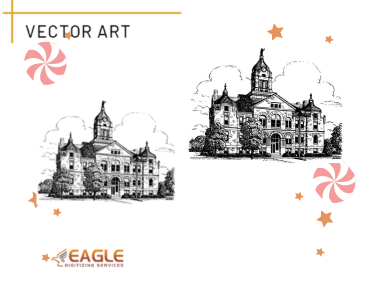
One of the most vital tools for light logo updates is vectorization. By converting raster images into scalable vector formats, brands can ensure their logos maintain quality on everything from business cards to billboards. In this context, partnering with a specialized vector conversion service delivers a competitive edge. These services handle everything from raster to vector conversion, logo tracing, background removal, image retouching, and color correction—empowering brands to present a flawless image at any scale.
Companies like Eagle Digitizing excel in transforming tired logos into modern, robust graphics without losing the essence of the legacy design. With a highly skilled team, fast turnarounds, and track record of high client satisfaction, their vector art services are ideal for small to midsized businesses, screen printers, marketing agencies, and anyone aiming to make their brand visuals future-proof. Such providers not only ensure print-ready designs but also offer flexibility across file formats and deliver customized solutions tailored to client needs.
3. Protecting Brand Heritage
Heritage is invaluable, particularly for businesses with a long-standing presence. Full logo redesigns sometimes spark public backlash or confusion—the infamous case of Tropicana’s short-lived logo change stands as a stark reminder. Light logo updates, on the other hand, demonstrate respect for the company’s roots while signaling evolution. This approach assures stakeholders that a brand remains committed to its ethos even as it adapts to new market realities.
4. Cost-Effectiveness and Lower Risk
From a resource standpoint, minor updates require less time and investment than complete redesigns. Companies avoid the costs associated with changing signage, updating packaging, reprinting materials, and retraining personnel on the new brand guidelines. Not only does a light refresh offer significant savings, but it also minimizes the risks of damaging existing customer relationships or disrupting the marketing pipeline.
Consumer Psychology: The Subconscious Power of Familiarity
One often-overlooked driver behind the rise of subtle logo changes is consumer psychology. Neuromarketing research finds that consumers gravitate to familiar patterns—even if they don’t consciously register every detail. When they interact with an updated but recognizable logo, existing trust and positive associations transfer without friction. This phenomenon is particularly important for brands in highly competitive spaces, where customer loyalty can be fragile and costly to restore.
5. Flexibility for Evolution
A light update doesn’t lock a brand into a single direction for years to come. By implementing incremental changes, companies can test audience reactions and tweak further if needed. This iterative approach matches the agile mindset of digital innovation—ensuring that a logo can evolve along with shifting business goals and consumer preferences, rather than waiting a decade for the next redesign cycle.
The Agency Perspective: Blending Strategy and Creativity
Branding agencies and consultants increasingly advocate for “evolution not revolution.” This philosophy aligns strategic clarity with creative restraint. Modern branding professionals recognize that a logo is just one part of a larger ecosystem encompassing voice, values, visuals, and customer experience.
Many design teams now deploy advanced vector conversion services to enable light updates that bring instant improvements in versatility and quality. By retaining key elements and only updating what’s necessary, companies benefit from both a fresh look and continued customer trust.
Real-World Impact: Light Updates in Action
From Fortune 500s to local businesses, light logo updates are being celebrated for their ability to balance modernization with stability. Social media commentary often praises brands that “didn’t overdo it," and studies report that sales and brand sentiment generally remain strong after such changes. In fact, because these updates are often rolled out discretely, the focus remains on the evolving brand story rather than headlines about a radical new look.
Future-Proofing Your Brand: The Path Ahead
As visual trends and communication channels continue to diversify, more companies will likely see the value in refining rather than reinventing. For organizations considering their next brand move, embracing the philosophy behind light logo updates means prioritizing flexibility, scalability, and continuity. Partnering with experts in vector art services ensures these tweaks are executed with precision and professionalism.
Forward-thinking businesses can benefit tremendously from this trend by combining digital adaptability with an appreciation of their brand’s heritage. By making smart, subtle enhancements today, brands position themselves to stay fresh and relevant—without losing the very essence their audiences cherish. As tastes, technologies, and platforms continue to shift, will your brand’s visual identity be agile enough to keep up yet timeless enough to stand out?