
Why Do More Clients Want One Logo to Work Across Social Media, Websites, Caps, Apparel, and Packaging?
In today’s digital-first landscape, a business’s logo has become more than just an emblem—it is the core of brand identity, an ambassador on every platform it touches. From the smallest profile picture on social media to large-scale banners at events, the expectation for a single logo to function flawlessly across diverse contexts is not just a trend but a necessity. This evolution signals a dramatic shift in the way brands think about visibility, recognition, and impact. In this comprehensive guide, we will explore why more clients now demand a single, versatile logo for use on everything from online channels to physical products, and how this strategy strengthens the overall brand experience.
Brand Consistency: The Power Behind Recognition
Brand consistency is the foundation upon which strong, lasting businesses are built. With consumers interacting with brands across various touchpoints, whether online or offline, maintaining visual uniformity becomes essential. A logo that works seamlessly on caps, apparel, packaging, social media, and websites creates a unified identity that’s easy for audiences to identify and remember. When clients request a logo that is adaptable to all formats and media types, they are emphasizing their desire for this consistency, ensuring that regardless of where their brand appears, it is instantly recognizable.
Versatility That Meets Modern Marketing Demands
Today’s marketing is a blend of digital and physical interactions. Logos need to be digital enough for websites, responsive enough for mobile apps, and tangible enough for embroidered caps or printed packaging. Traditional logos designed without scalability in mind may falter in these varied settings. With the rise of vector conversion service providers and increasingly sophisticated design tools, businesses are now seeking logo files that remain sharp and vibrant from a tiny website favicon to a massive billboard. This versatility is essential, enabling one logo to adapt fluidly to any context, ensuring quality and clarity at every size.
The Role of Vector Art and Modern Conversion Services
What Makes a Logo Truly Multipurpose?
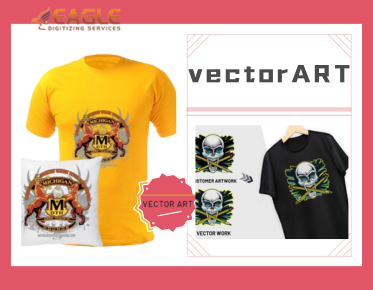
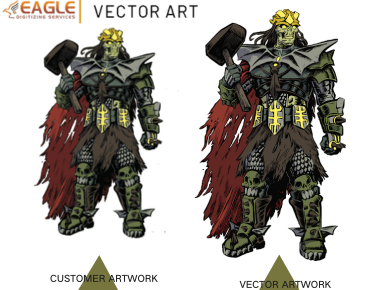
A multipurpose logo is not a lucky accident—it is a carefully crafted asset, often created through expert vector art services. Vector logos have key advantages: they are scalable, editable, and maintain color accuracy across various media. Raster images, in contrast, often lose detail and quality when resized, limiting their usability for physical printing on caps, apparel, or custom packaging. The move toward using one logo everywhere underscores the need for a design that is built with both digital flexibility and physical application in mind.
The Technical Side: Resolution, Color, and Compatibility
Brands that operate online and offline require their logos in a variety of file formats to meet different printing and display needs. High-resolution, scalable vector files such as SVG, AI, or EPS have become the industry standard. These formats allow for easy adaptation—whether for digital use or traditional screen printing. Keeping color modes consistent (using RGB for digital and CMYK for print) also assists in preserving brand colors, no matter where the logo appears. Service providers specializing in vector conversion services play a crucial role in this arena, ensuring that brand assets meet all industry requirements.
Modern Client Expectations and Trends
The desire for a flexible, universally applicable logo is driven by several contemporary trends:
- Multichannel Marketing: Brands now interact with audiences through a multitude of platforms—Instagram, Facebook, their own e-commerce sites, retail packaging, event banners, business cards, merchandise, and more.
- Speed of Deployment: The faster a logo can be integrated across all touchpoints, the sooner a new product, campaign, or event can launch with a cohesive brand image.
- Cost Efficiency: Investing in one well-crafted logo upfront, rather than constantly redesigning or adjusting for specific applications, saves time and money.
- Aesthetic Simplicity: Modern design emphasizes clean, minimal logos that work at every size and context. Clients expect design solutions that are practical and visually harmonious everywhere.
Why Design Agencies and Service Providers Are More Relevant Than Ever
As logo use cases expand, so too does the need for expert guidance. Design agencies, branding consultants, and companies offering vector art conversion services are experiencing surging demand. A specialist converts and optimizes logos for digital and physical usage, ensuring colors, files, and quality are uniform and professional. Providers like Eagle Digitizing demonstrate leadership here, leveraging their expertise in raster to vector conversion, color correction, and advanced file formatting, transforming a static logo into a dynamo ready for any use.
How Eagle Digitizing Sets a New Benchmark
Eagle Digitizing has positioned itself at the intersection of technology and artistry. Their services go beyond simple file conversion—they ensure each logo is print-ready and accommodates the brand’s vision without compromise. With unmatched turnaround times and a highly skilled team, Eagle Digitizing delivers not only vector file conversion but also a smooth, customer-focused experience for businesses large and small. Their work is especially helpful for small to midsize businesses, print shops, marketing agencies, and anyone who requires their artwork to shine equally on a business card and a billboard. Every project benefits from a customized approach, offering multiple vector formats, expert color separation, and adjustments according to the unique needs of apparel printing, packaging design, digital campaigns, and more. Their approach recognizes that great logos should never lose their sharpness, vibrancy, or message—no matter where they're displayed.
Practical Applications: Where Single-Logo Versatility Matters Most
1. Social Media and Digital Channels
On social platforms, profile pictures and banners are the frontline of brand communication. Logos need to remain clean and distinct in small sizes, while maintaining enough presence to be recognized instantly by followers. A scalable vector logo ensures perfect display, whatever the dimension or device.
2. Apparel: Caps, T-Shirts, Uniforms
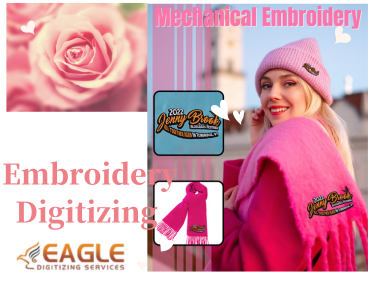
Embroidery, printing, and heat press all demand logos that are free from pixelation and still clear when downscaled. Businesses involved in sports, custom apparel, or promotional merchandise benefit greatly from vectorized logos that adapt to any embroidery machine or printing process.
3. Packaging and Print Collateral
Packaging influences purchasing decisions, making logo clarity and color fidelity essential. From small labels to full-box prints and custom bags, a single logo file used in multiple formats boosts quality assurance and speeds up production for new product launches or seasonal promotions.
4. Event Branding and Banners
Events require rapid turnaround and consistency. Whether it’s a pop-up banner, staff lanyard, or branded tent, having a ready-to-use, vector logo avoids delays and surprises, ensuring event materials are always on-brand.
Common Design Challenges—and How to Solve Them
Clients sometimes wonder why a logo may appear differently on a screen than when printed. Color shifts, accidental pixelation, and loss of fine details all stem from using the wrong file type or size for a given application. This can be overcome by collaborating with providers adept at professional vectorization, who test logos in every context and offer tweaks for optimal cross-platform performance. Building a partnership with providers like Eagle Digitizing means these issues are anticipated and resolved preemptively, ensuring every logo is future-proof.
Adaptation for Evolving Brand Needs
Brands evolve—and so should their methods of logo deployment. A versatile, vector-based logo not only solves current needs but also anticipates future ones, whether that’s a new social platform, a marketing innovation, or an expanded product line. Clients who demand such flexibility are setting their business up for growth, adaptability, and relevance in a rapidly shifting marketplace.
Looking Ahead: The Future of Logo Utility and Brand Identity
In a world saturated by content and competition, the brands that excel are those whose identities move with agility and consistency across every conceivable surface, both digital and tangible. As technology advances, we can expect automated tools to further streamline logo adaptation, while AI-assisted design will help predict optimal file types for emerging platforms. What remains unchanged, however, is the business advantage of investing in expert design and professional file preparation.
For businesses, designers, and agencies, the challenge and opportunity lie in crafting not just a logo, but a visual symbol that feels at home—and uniquely itself—anywhere it goes. The trend toward universal, vectorized, and professionally managed logos is only accelerating, promising a future in which brand presence is stronger, more cohesive, and unmistakably memorable.
With customers and clients expecting fast, flawless implementation, isn’t it time to reconsider your own logo’s adaptability? Could your brand’s most important asset become even more powerful by embracing a single-logo strategy for every platform and product? Exploring this potential may unlock unexpected possibilities for your brand’s recognition and long-term success.