.png "vector art service")

Scalable and Flexible Logo Systems Are Becoming a Branding Standard
The Evolution of Logos in a Dynamic Branding Landscape
In today’s rapidly evolving business environment, brands are no longer defined by a single, static logo. Instead, the emergence of scalable and flexible logo systems has fundamentally changed the way identities are created and communicated. As brand interaction spreads across countless mediums—digital screens, print, merchandise, social platforms, and more—the need for adaptable visual identities has become more than a creative trend; it’s now a branding standard.
Why Static Logos Are No Longer Enough
Historically, a logo served as the cornerstone of brand identity, meant to convey company values and aesthetics at a glance. This approach made sense in an era when touchpoints were limited and consistency equaled repetition. However, with the proliferation of digital channels and user experiences, brands have recognized a key challenge: a one-size-fits-all logo cannot deliver optimal legibility, impact, or emotional connection across a spectrum of applications. Whether their mark appears on a business card, an app icon, billboard, avatar, or T-shirt, companies now require visuals that maintain brand integrity while dynamically adapting to scale, context, and audience.
The Rise of Logo Systems
Logo systems are collections of flexible visual assets, structured to respond to various situations while preserving a unified identity. Rather than relying on a single mark, these systems include alternate layouts, iconography, color schemes, and even responsive elements for motion and interactivity. The flexibility enables brands to choose a logo variant that is best suited to each touchpoint—ensuring both recognition and effective communication, whether on a mobile app header or a city-wide banner.
Key Components of Scalable and Flexible Logo Systems
A well-designed logo system typically includes:
- Primary and secondary logos (such as horizontal, vertical, and icon versions)
- Monochrome and color variants
- Simple icons or logomarks for digital avatars and small-format use
- Guidelines for protected space and minimum sizing
- Motion or animated logo assets for digital platforms
Brand Consistency Through Adaptability
The very nature of a flexible logo system addresses concerns some may have about consistency. While older models viewed uniformity as literal sameness, today’s standards embrace consistency through adaptable rules. A carefully crafted system ensures that each variant feels like part of a family, using shared visual DNA—color palettes, typography, and graphic motifs. This approach helps customers recognize and connect with the brand, wherever and however it appears.
Industry-Leading Examples
Some of the world’s most successful brands have pioneered this approach, reinforcing the notion that scalability and flexibility drive modern identity design. The Olympics, Google, Spotify, and other global names use logo systems with variations for events, platforms, languages, and seasonal campaigns. Small and midsize businesses are rapidly following suit, recognizing that responsive branding signals professionalism and forward-thinking.
How Vector Art Services Enable Adaptive Branding
The implementation of scalable and flexible logo systems is closely tied to advances in vector art services. Unlike raster graphics, vector-based logos can be infinitely resized without loss of clarity. This makes them indispensable for modern brands, supporting seamless adaptation across different sizes, surfaces, and environments.
Vectorization goes far beyond mere scalability; it empowers creative teams with editable, customizable logo components. Designers can adjust colors, proportions, and elements to suit specific marketing needs or experimental campaigns, all while safeguarding the essential look and feel of the visual identity.
The Role of Vector Conversion Services
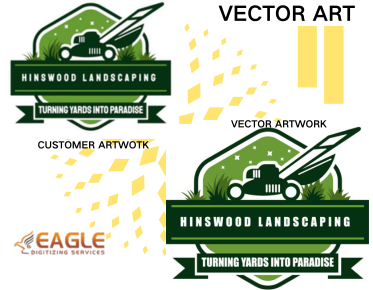
Professional vector conversion services bridge the gap between original logo concepts and versatile, production-ready formats. They convert sketches, bitmap images, or outdated logo files into modern vector graphics suitable for high-resolution print, digital displays, embroidery, and specialty finishes.
Such services typically cover:
- Raster-to-vector conversions for legacy artwork
- Logo clean-up and modernization for consistency across touchpoints
- Color separations for screen printing and embroidery
- Custom vector illustration and iconography development
Eagle Digitizing: Enabling Modern Brands with Scalable Logo Solutions
The growth of adaptive logos is matched by the evolution of service providers who support them. Eagle Digitizing stands out as a leading expert in this field, offering comprehensive vectorization and logo conversion solutions tailored for the latest branding needs. Their team of skilled digitizers specializes in converting logos and graphics into flexible, high-quality vector artwork.
Eagle Digitizing prides itself on quick turnaround times, transparent pricing, and formats ready for immediate use across screen printing, embroidery, digital marketing, and product design. Clients benefit from a services menu that includes raster to vector conversion, color corrections, background removal, and mockups. Their commitment to satisfaction and innovation has earned praise from thousands of businesses—ranging from custom T-shirt shops and marketing agencies to large-scale digital printing firms.
The Eagle Digitizing process emphasizes collaboration, allowing clients to make adjustments, preview results, and request the best colors for their specific applications. By staying ahead with the latest vector and design technologies, Eagle Digitizing ensures brands always present themselves at their best—no matter where or how their logo appears.
Responsive Branding for a Multi-Platform World
Brands today must be ready to engage customers on social media, websites, physical products, event signage, and interactive experiences. A responsive logo system ensures that every interaction—regardless of size, surface, or technology—delivers the same visual impression and emotional resonance.
In practical terms, this means designers and marketing managers can select an asset from the logo system that best fits the context. For example, a streamlined icon may work for a social avatar, while the full logo with the tagline is used on banners and promotions. Guidelines built into the logo system make this choice simple and error-free, driving efficiency and consistency organization-wide.
Adapting to Future Brand Challenges
As technology progresses, the expectations placed on brand identities will only grow. Dynamic logos, motion graphics, AR/VR-ready assets—these are becoming mainstream, and scalable systems are the bridge to these possibilities. By adopting a robust logo framework now, brands future-proof their identities, saving time and expense as new trends and customer touchpoints arise.
Best Practices for Creating and Implementing Logo Systems
The process of developing a flexible logo system might seem daunting, but several principles ensure success:
- Base all variants on a central idea or motif to tie the family together
- Define clear usage rules and visual hierarchies
- Use vector formats for all assets to maintain adaptability and quality
- Test logo variants in real-world contexts—app icons, billboards, digital campaigns, merchandise
- Establish a periodic review cycle to refine the system as the brand evolves
What Brands Gain from Adaptable Identity Systems
The investment into scalable and flexible logo systems pays dividends in several ways. Brands achieve stronger recognition, minimize technical issues, and empower creative teams to tailor marketing for diverse audiences. Additionally, they ensure their visual presence grows gracefully as the organization expands or diversifies.
Empowering Small and Midsize Businesses
While global giants have led the way, scalable logo systems deliver remarkable value to small and midsize businesses as well. They foster professionalism, build customer trust, and provide the tools to make a memorable impact in local markets or online communities. Service providers like Eagle Digitizing make the transition seamless and affordable, providing expertise and fast delivery without the need for in-house specialists.
Navigating the Future of Brand Identity
Looking ahead, the evolution of logo systems is poised to accelerate as digital experiences multiply, personalization grows, and new media emerge. For marketers and business owners, the question becomes not whether to invest in adaptable identity systems, but how to implement them for maximum impact and efficiency. Strategic use of vector conversion services and ongoing engagement with experts ensures your brand remains current, scalable, and instantly recognizable, regardless of the changes that tomorrow brings.
As brands continue to explore new ways of storytelling through design, the principles behind scalable and flexible logo systems promise both stability and creative freedom. Whether you’re launching a startup, rebranding an established company, or expanding into new channels, building a robust logo system could be the most valuable investment in your identity’s future.