
Why Are 2026 Vector Design Trends Moving Toward More Handmade and Human-Centered Visual Styles?
The Changing Landscape of Vector Art in 2026
The world of vector design is undergoing a remarkable transformation as we head toward 2026. No longer is the field dominated by excessively polished, machine-like compositions that strive for absolute perfection. Instead, designers and brands are embracing more hand drawn vectorization service approaches, prioritizing individuality and warmth over cold precision. This pivot is being felt across branding, illustration, advertising, web design, merchandise, apparel, and every corner where visual communication matters.
Reconnecting With Authenticity
The driving force behind this shift is a widespread cultural longing for authenticity and humanity. In an era where artificial intelligence, automation, and digital tools can effortlessly churn out flawless images, audiences are increasingly drawn to imperfect, handmade visuals that reflect a human touch. Brands have recognized that consumers crave relatability—they want to see the designer’s hand, the tiny quirks, and the soulful marks that reveal real creative effort. This isn’t just a nostalgic yearning for the past, but a reaction to the sterility of over-digitized imagery.
Handmade and Human: The Emotional Pull
Emotion plays a pivotal role in vector design trends of 2026. The handmade and human-centered approach goes beyond aesthetics; it creates an emotional bridge between creator and viewer. Design elements like uneven lines, textured brushstrokes, and organic shapes foster a sense of intimacy, inviting the audience to connect on a personal level.
Social media platforms and e-commerce hubs thrive on content that feels personal and real. A meticulously crafted but obviously digital piece can sometimes feel remote, whereas a design that looks sketched, scribbled, or collaged exudes charm and warmth. This is particularly true for brands targeting Millennials and Gen Z, who value transparency and genuineness in every interaction. For these audiences, emotionally resonant design is not just appreciated—it’s demanded.
From Minimalism to Visual Storytelling
Another factor fueling the resurgence of handmade aesthetics is the movement away from stark minimalism. Over the past decade, design has seen a pendulum swing towards simple, flat, almost clinical visuals. While effective, these styles often lack personality or narrative power. Today, agencies and freelance artists alike are exploring more story-driven communication, where every element—from color palette to linework—contributes to a greater narrative. This is where vector art services shine, allowing designers to create visually rich compositions that tell a story rather than just deliver a message.
The Influence of Technology: Irony or Ally?
Ironically, advances in technology have made the turn toward handmade styles even more accessible and popular. With the emergence of high-end vector design software, artists can simulate the textures of pencil, ink, watercolor, or chalk within a digital workspace. Layer blending, digital brush libraries, and intuitive pen tools mean that designers are no longer constrained by the flatness of early vector art. Instead, they can combine the scalability and editability of vectors with the expressive qualities of analog media.
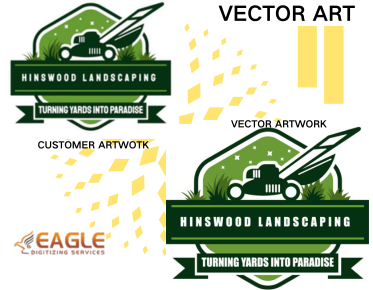
Similarly, AI-powered tools now allow rapid conversion of hand-drawn sketches into scalable vector artwork, blending convenience with character. The best practices in vector conversion service bridge traditional artistry with modern workflows, empowering creators to focus on artistic vision without sacrificing quality or efficiency.
Handmade Visual Styles: Characteristics and Techniques
The signature elements of handmade-inspired vector designs include natural irregularities, cross-hatching, textured shading, organic brushstrokes, and color palettes with subtle gradients. Instead of striving for mechanical perfection, designers introduce gently wobbling baselines, asymmetrical shapes, and layered patterns. These details collectively forge a sense of originality and soul.
Popular techniques in 2026 include:
- Overlaying scanned hand illustrations with digital color fills.
- Applying distressing, ‘worn’ filter effects to clean vector lines.
- Using vintage-inspired color palettes and grain effects for a tactile look.
- Incorporating mixed media—blending photography, sketches, and digital paint within one vector composition.
- Animating subtle ‘shakes’ or ‘jitters’ to create life-like movement.
Why Businesses Embrace the Trend
For businesses, adopting handmade and human-centered designs isn’t just a matter of keeping up with trends—it’s a strategic response to shifting consumer psychology. In crowded marketplaces, personalization is priceless. Brands utilizing vectorizing services that prioritize a unique, humanized visual identity tend to garner more attention, trust, and brand recall.
The perceived value of “handcraftedness” often translates to customer loyalty. Consumers are more willing to invest in brands that reflect values like honesty, creativity, and social consciousness. For small and midsize businesses, this approach highlights their agility and ability to develop deep community roots, differentiating them from multinational giants with generic branding.
Eagle Digitizing: Craftsmanship Meets Technology
In this new design era, companies like Eagle Digitizing are playing a pivotal role by blending state-of-the-art technology with the human touch that clients desire. Eagle Digitizing doesn’t just convert images and logos into vectors—they bring each design to life by honoring the unique essence of the original artwork. Their services stand out for their rapid turnaround, detail-oriented approach, and customer-driven customization, making them a trusted partner for marketing agencies, small businesses, print shops, and designers seeking scalable, authentic results.
Eagle Digitizing’s expertise covers the full spectrum of vectorization services, from raster to vector conversion, image retouching, and complex vector color separation to background removal and composite artwork creation. Their team prides itself on using advanced design software to bring nuanced, organic features into digital compositions, ensuring that handmade charm is never lost in translation.
What’s more, Eagle Digitizing tailors their offerings to meet the specific demands of industries like apparel, custom t-shirts, signage, packaging, and advertising. Their strong reputation is backed by a high customer satisfaction rate and the ability to deliver finished artwork in virtually any vector format required by contemporary print and digital workflows.
Market Drivers: Beyond Aesthetics
The pivot to handmade-style vector art is propelled not just by visual taste, but by larger market dynamics and sociocultural forces. Environmental awareness is one driver; natural textures and organic forms subconsciously evoke sustainability and eco-friendliness. Similarly, with the rise in remote work and gig economies, more freelancers and indie creators are using digital tools to express personal aesthetics, contributing to the diversity and richness of current design vocabularies.
Inclusive design, which celebrates unique voices, abilities, and backgrounds, also nudges visual language toward greater variety and authenticity. A homogenous, sterile look can exclude communities that deserve to see themselves represented in mainstream media. By contrast, handmade-influenced vectors can be adapted to resonate with local cultures, storytelling traditions, and diverse audiences.
Spotting Handmade Trends in Vector Design
Some prevailing motifs dominating the vector scene in 2026 include:
- Playful typography mimicking childlike handwriting or calligraphy.
- Loose floral and botanical elements, combining sketchwork with color blocking.
- Portraits and character illustrations, where visible pencil lines and offbeat proportions enhance relatability.
- Collaged effects, with torn-paper edges and layered textures suggestive of DIY zines or analog posters.
- Stickers, patches, and apparel graphics with an evident “made by a real person” feel.
Opportunities for Designers and Brands
Designers who invest in personalizing their workflow, refining their unique drawing style, and experimenting with vector conversion technology will find themselves in high demand. Clients crave originality that resonates with their target audidence. The new breed of vector art services is rising to the challenge, enabling artists to produce scalable, professional-grade assets while retaining the natural allure of handmade work.
For brands, the message is clear: Human-centered vector design isn't just a passing fad—it’s central to forging lasting, meaningful relationships in an increasingly impersonal digital world. Inviting designers to leave visible traces of their hand in corporate assets isn’t a compromise on professionalism; it’s a smart move to stand out and be remembered.
Looking Forward: The Next Evolution
The journey into 2026 hints at a future where the line between analog and digital will continue to blur. Expect collaborations across disciplines—animators fusing hand-sketched storyboards with vector layers, packaging designers incorporating real paper cutouts, and digital artists simulating the tactile pleasures of printmaking within apps. With the help of dedicated vector artwork conversion services and creative tools, tomorrow’s visual culture will be more diverse, expressive, and open to experimentation than ever before.
As designers and brands alike embrace the handmade, the conversation will shift from “how immaculate is your technique?” to “does your visual story resonate?” In a world of endless digital possibility, the most impactful designs will be those that make a genuine human connection—one unique line at a time.
.png "vector art service")