
Why Do Brands Increasingly Want Logos That Work for Both Digital Use and Physical Print Use?
In today’s rapidly changing marketplace, the way brands present themselves plays a crucial role in determining their success. One significant aspect of brand identity is the logo, which often serves as the cornerstone of branding activities. A trend that has emerged over time is brands' increasing demand for logos that are versatile enough to be used across both digital and physical mediums. This shift is driven by technological advancements, changes in consumer expectations, and the need for consistency in brand storytelling across various platforms.
The Digital-Physical Divide
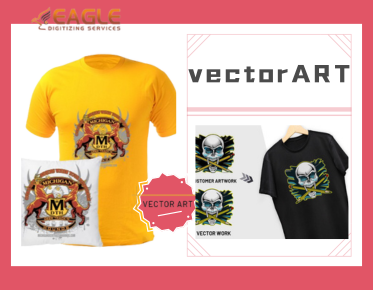
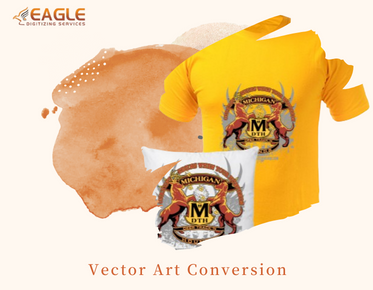
Before the digital revolution, logos were primarily designed for print media, from business cards to billboards. However, with the rise of the internet and digital marketing, brands found themselves needing to adapt their logos to function online as well. This involves ensuring that logos look sharp on websites, social media platforms, and mobile applications. The challenge doesn't stop there; the same logo also needs to be adaptable for print media such as brochures, stationery, and signage. To bridge the digital-physical divide, brands often opt for vector art conversion services because these services transform logos into scalable vector graphics that maintain quality across different formats.
Scalability and Versatility
A significant advantage of logos designed for dual-purpose use is their scalability. In digital marketing, logos might appear as tiny icons on social media feeds or large banners on websites. In print, they could be on anything from small product labels to enormous billboards. Vector graphics, because of their scalability, ensure that a logo maintains its integrity regardless of size or platform, which is not always possible with raster images. This encourages brands to partner with vector art services online to ensure their logos are high-quality and versatile.
Consistency in Branding
Consistency is key in branding. A logo that works seamlessly across multiple platforms aids in creating a unified brand image. When consumers see the same logo whether they are browsing a catalog, visiting a website, or entering a physical store, it reinforces brand recognition and trust. This consistency is challenging to achieve with multiple logo variations that might not align perfectly across different formats. This problem underscores the importance of having a versatile logo design that works both digitally and physically. Brands often consult experts in vector logo conversion to achieve this seamless brand presentation.
Technological and Consumer Trends
The demand for logos suitable for both media is also driven by technological trends and evolving consumer behavior. Consumers today expect a seamless experience whether they are interacting with a brand online or offline. With the rise of omnichannel marketing, where consumers move between digital and physical touchpoints, brands need to ensure their visual elements, such as logos, are consistent and recognizable. Furthermore, with advancements in printing and digital rendering technologies, it's now easier for logos to be designed in a way that makes them adaptable to both domains.
Future Implications
As brands continue to globalize and technology continues to evolve, the necessity for adaptable logos is likely to grow. Future trends might include more interactive or animated logos that adapt in real-time to different environments—both virtual and real. Brands that invest in adaptable logo design now will likely be better positioned to leverage these future possibilities effectively.
With the expertise of companies like Eagle Digitizing, which provides resources to convert logos into versatile, high-quality vectors, brands have more power to adapt to these changes efficiently. Such companies are committed to ensuring that logos not only meet current demands but are also primed to adapt to the innovations of tomorrow.
Encouraging Further Reflection
As market dynamics and technologies evolve, brands must ask the question: How can their logos continue to stand out and remain effective across ever-diversifying media platforms? Looking at the future, advancements in AI and augmented reality may offer new ways to engage audiences using logos, challenging brands to remain agile and forward-thinking in their design strategies.