
Flat Embroidery Still Works Best as the Foundation of a Strong Design
In the ever-evolving world of embroidery, where new techniques and technologies are constantly emerging, flat embroidery remains a steadfast choice for many designers and businesses. Its simplicity, versatility, and timeless appeal make it an enduring foundation for strong design. Whether you are creating a logo, a piece of art, or a promotional item, flat embroidery offers a reliable and aesthetically pleasing option.
The Timeless Appeal of Flat Embroidery
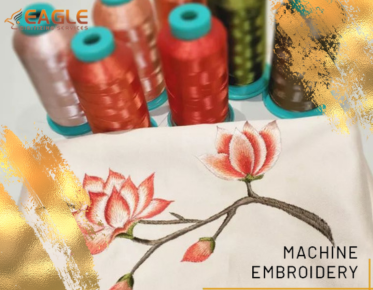
Flat embroidery is characterized by its use of flat stitches that lie close to the fabric, creating a smooth and clean finish. This technique is particularly effective for designs that require precision and detail, such as logos and text. The flat stitches allow for a high level of detail and clarity, making it ideal for intricate designs. Moreover, flat embroidery is versatile and can be applied to a wide range of materials, from cotton and polyester to more delicate fabrics like silk.
Why Flat Embroidery Remains a Popular Choice
One of the primary reasons flat embroidery continues to be popular is its cost-effectiveness. Compared to other embroidery techniques, flat embroidery is relatively inexpensive, making it accessible for businesses of all sizes. Additionally, it is a time-efficient process, allowing for quick turnaround times without compromising on quality. This is particularly beneficial for businesses that require large quantities of embroidered items, such as uniforms or promotional products.
Flat embroidery also offers a high level of durability. The stitches are tightly woven into the fabric, ensuring that the design remains intact even after repeated washing and wear. This makes it an excellent choice for items that will be used frequently, such as workwear or sports apparel. Furthermore, flat embroidery is less likely to snag or fray compared to other techniques, ensuring that the design maintains its integrity over time.
Applications of Flat Embroidery in Modern Design
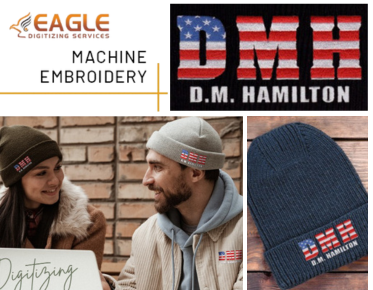
Flat embroidery is not only limited to traditional applications like clothing and accessories. It has found its way into various industries, including home decor, automotive, and even technology. For instance, flat embroidery is often used in the creation of custom patches for jackets and bags, adding a personalized touch to everyday items. In the automotive industry, it is used to create branded seat covers and floor mats, enhancing the overall aesthetic of the vehicle.
In the realm of technology, flat embroidery is being used to create unique and eye-catching designs on electronic accessories such as laptop sleeves and phone cases. This not only adds a layer of protection but also allows individuals to express their personal style. The versatility of flat embroidery makes it a valuable tool for designers looking to create distinctive and memorable products.
The Role of Digitizing in Enhancing Flat Embroidery
Digitizing plays a crucial role in the embroidery process, particularly for flat embroidery. It involves converting a design into a digital format that can be read by embroidery machines. This process ensures that the design is accurately reproduced on the fabric, maintaining the integrity of the original artwork. Companies like Eagle Digitizing specialize in providing high-quality embroidery digitizing services, ensuring that each design is meticulously crafted to meet the client's specifications【4:0†source】.
With over 25 years of experience, Eagle Digitizing offers a range of services, including 3D Puff Digitizing and left chest digitizing, catering to a diverse clientele【4:1†source】. Their expertise in the field allows them to deliver designs that are not only visually appealing but also functionally efficient, minimizing thread breakage and ensuring smooth sew-outs【4:2†source】.
Future Trends in Embroidery Design
As technology continues to advance, the possibilities for embroidery design are expanding. Innovations such as smart textiles and interactive embroidery are opening up new avenues for creativity and functionality. However, despite these advancements, flat embroidery remains a fundamental technique that provides a solid foundation for any design. Its simplicity and versatility make it an essential tool for designers looking to create impactful and enduring pieces.
Looking ahead, the integration of digital technology with traditional embroidery techniques is likely to continue, offering new opportunities for customization and personalization. As consumers increasingly seek unique and personalized products, the demand for high-quality embroidery services is expected to grow. Companies like Eagle Digitizing are well-positioned to meet this demand, offering a range of services that cater to the evolving needs of the market.
In conclusion, while new techniques and technologies continue to emerge, flat embroidery remains a reliable and effective choice for creating strong and impactful designs. Its timeless appeal, combined with the precision and detail offered by digitizing services, ensures that it will continue to be a staple in the world of embroidery design for years to come.