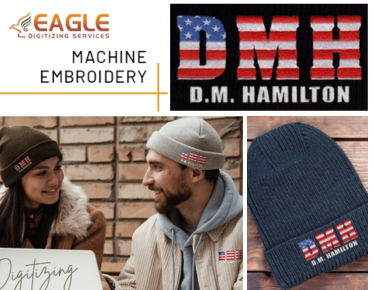

What Makes an Embroidery File Machine-Ready?
Creating a machine-ready embroidery file is a crucial step in the embroidery process. This file acts as the blueprint for the embroidery machine, guiding it on how to stitch the design onto the fabric. To ensure a smooth and successful embroidery process, several key elements must be considered when preparing an embroidery file.
Understanding Embroidery Digitizing
Embroidery digitizing is the process of converting artwork into a digital file that an embroidery machine can read. This involves using specialized software to trace the artwork with stitches, effectively translating the design into a language the machine understands. Companies like Eagle Digitizing specialize in this service, offering expertise in converting various forms of artwork into machine-readable formats【4:0†source】.
Key Elements of a Machine-Ready Embroidery File
File Format Compatibility
One of the most critical aspects of a machine-ready embroidery file is its format. Different embroidery machines require specific file formats, such as DST, EMB, or EXP. Ensuring that the file is in the correct format for the intended machine is essential for the design to be executed correctly. Eagle Digitizing offers conversion services to ensure compatibility with any specified machine【4:1†source】.
Design Clarity and Quality
The quality of the original artwork significantly impacts the final embroidery result. High-quality, clear images with well-defined color separations are preferred, as they lead to better digitized designs. This clarity ensures that the embroidery machine can accurately reproduce the design without errors【4:5†source】.
Stitch Density and Type
Stitch density refers to the number of stitches used in a specific area of the design. Proper stitch density is crucial for achieving the desired texture and appearance without causing fabric distortion. Additionally, selecting the appropriate stitch type, such as satin, fill, or running stitches, is vital for different parts of the design to ensure durability and aesthetic appeal.
Testing and Quality Assurance
Before finalizing an embroidery file, it is essential to test the design by sewing it out. This step helps identify any potential issues, such as thread breakage or misalignment, allowing for necessary adjustments. Companies like Eagle Digitizing perform these tests to ensure that the design will run smoothly on the machine, providing a sew-out image for custom designs【4:3†source】.
Additional Considerations
Design Complexity and Resizing
Complex designs may require more intricate digitizing techniques, which can affect the file's readiness. Additionally, resizing a design can impact its quality, as some designs may lose clarity when scaled. It is generally recommended to limit resizing to 10-20% to maintain the design's integrity【4:5†source】.
Choosing the Right Digitizing Service
Partnering with a reputable digitizing service can make a significant difference in the quality of the final embroidery. Eagle Digitizing, for example, offers a range of services, including 3D Puff Digitizing and specialized digitizing for different garment types, ensuring that each design is tailored to the client's needs【4:0†source】.
Future Trends in Embroidery Digitizing
As technology advances, the field of embroidery digitizing continues to evolve. Future trends may include more sophisticated software that allows for greater design complexity and automation, as well as increased integration with other digital platforms. These advancements will likely enhance the efficiency and creativity of embroidery projects, offering new possibilities for customization and personalization.
For those looking to explore the world of embroidery digitizing, understanding these key elements and considerations is essential. Whether you're a small business owner or a hobbyist, ensuring that your embroidery files are machine-ready will help you achieve the best possible results in your projects.

.png "vector art service")