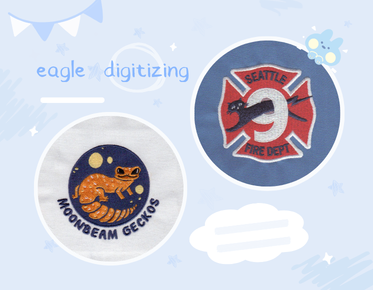

What Quality Standards Should Embroidery Files Follow?
Embroidery digitizing is a critical process that transforms artwork into a format that embroidery machines can understand. The quality of the digitized embroidery file significantly impacts the final embroidered product. Therefore, adhering to certain quality standards is essential to ensure that the embroidery is precise, durable, and visually appealing.
Understanding Embroidery Digitizing
Embroidery digitizing involves converting artwork into a stitch file that can be read by an embroidery machine. This process requires specialized software and skilled digitizers who can interpret the artwork and decide on the best stitch types, directions, and densities to use. The ultimate goal is to create a file that will produce a high-quality embroidered product.
Key Quality Standards for Embroidery Files
1. File Format Compatibility
One of the primary considerations in embroidery digitizing is ensuring that the file format is compatible with the embroidery machine being used. Different machines require specific file formats, such as DST, EMB, or EXP. At Eagle Digitizing, we offer a variety of formats to ensure compatibility with any embroidery machine, allowing for seamless integration into existing workflows【4:0†source】.
2. Artwork Quality
The quality of the original artwork plays a crucial role in the digitizing process. High-quality, clear images with distinct color separations lead to better digitized files. This clarity allows digitizers to accurately trace the artwork and apply the appropriate stitch types and densities【4:0†source】.
3. Stitch Density and Type
Choosing the correct stitch density and type is vital for the durability and appearance of the embroidery. Too dense stitching can lead to puckering, while too sparse stitching may not cover the fabric adequately. Experienced digitizers, like those at Eagle Digitizing, ensure that each design is optimized for the best possible outcome【4:2†source】.
4. Minimizing Thread Breakage
Thread breakage is a common issue in embroidery that can disrupt production and affect the quality of the final product. Quality digitizing involves creating designs that minimize thread breakage by optimizing stitch paths and using appropriate stitch types【4:2†source】.
5. Testing and Revisions
Before finalizing a digitized file, it is essential to test the design by sewing it out. This step helps identify any issues that may not be apparent in the digital file. At Eagle Digitizing, we test each design and make necessary revisions to ensure it runs perfectly on the machine【4:2†source】.
The Role of Professional Digitizing Services
Professional digitizing services, such as those offered by Eagle Digitizing, provide expertise and experience that are crucial for achieving high-quality embroidery. These services offer a range of benefits, including quick turnaround times, competitive pricing, and a commitment to customer satisfaction【4:3†source】.
Future Trends in Embroidery Digitizing
As technology advances, the field of embroidery digitizing continues to evolve. Future trends may include the integration of artificial intelligence to automate parts of the digitizing process, further enhancing precision and efficiency. Additionally, the development of new materials and threads may require adjustments in digitizing techniques to accommodate these innovations.
For businesses and individuals looking to produce high-quality embroidered products, understanding and adhering to these quality standards is essential. By partnering with experienced digitizing services, you can ensure that your embroidery files meet the highest standards and result in beautiful, durable products.