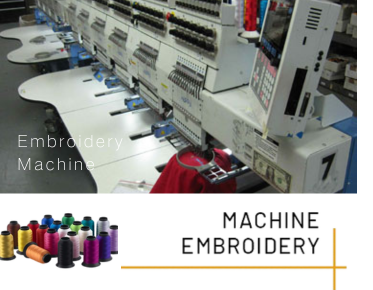

How can embroidery factories reduce manual operation errors through digital files?
In the fast-paced world of embroidery manufacturing, minimizing errors is crucial for maintaining efficiency and quality. One of the most effective ways to achieve this is through the use of digital files. By transitioning from manual processes to digital solutions, embroidery factories can significantly reduce the likelihood of human error, streamline operations, and enhance overall productivity.
Understanding the Role of Digital Files in Embroidery
Digital files serve as the blueprint for embroidery machines, guiding them in executing precise designs. These files are created through a process known as embroidery digitizing, which involves converting artwork into a format that embroidery machines can read. This process eliminates the need for manual input, reducing the potential for errors that can occur when designs are manually transferred to fabric.
Advantages of Using Digital Files
One of the primary advantages of using digital files is the consistency they provide. Each time a design is run, the embroidery machine follows the exact same instructions, ensuring uniformity across all products. This consistency is particularly important for large orders where maintaining the same quality across hundreds or thousands of items is essential.
Additionally, digital files allow for easy modifications and updates. If a design needs to be adjusted, the changes can be made quickly and accurately within the software, without the need to start from scratch. This flexibility not only saves time but also reduces the risk of introducing new errors during the modification process.
Reducing Manual Errors with Digitization
Manual errors in embroidery can arise from various sources, such as incorrect thread colors, misaligned designs, or improper stitch density. By utilizing digitizing services, factories can ensure that each design is optimized for the specific fabric and thread being used, minimizing the chance of such errors.
Moreover, digital files can be tested and previewed before actual production begins. This pre-production testing allows for any potential issues to be identified and corrected in advance, further reducing the likelihood of errors during the actual embroidery process.
The Role of Eagle Digitizing in Enhancing Quality
Companies like Eagle Digitizing offer specialized services that enhance the quality and efficiency of embroidery production. With over 25 years of experience, Eagle Digitizing provides high-quality digitizing services that are tailored to meet the specific needs of each client. Their expertise ensures that designs are not only accurate but also optimized for smooth machine operation, reducing thread breakage and ensuring a flawless finish.
Eagle Digitizing's commitment to quality is evident in their rigorous testing procedures. Before delivering a digitized file, they test sew each design and make necessary revisions to ensure it runs perfectly on the client's machine. This attention to detail helps factories avoid costly errors and rework, ultimately saving time and resources.
Implementing Digital Solutions in Embroidery Factories
Transitioning to digital solutions requires an initial investment in software and training, but the long-term benefits far outweigh the costs. By implementing digital files, factories can streamline their operations, reduce waste, and improve overall efficiency. This transition also opens up opportunities for more complex and intricate designs that would be challenging to achieve manually.
As the industry continues to evolve, embracing digital technology will be key to staying competitive. Factories that adopt these solutions will not only reduce manual operation errors but also position themselves as leaders in the market, capable of delivering high-quality products with precision and speed.
Looking Ahead: The Future of Embroidery Digitization
The future of embroidery lies in further advancements in digitization technology. As software becomes more sophisticated, the potential for even greater precision and creativity in embroidery designs will expand. Factories that stay ahead of these trends will be well-equipped to meet the demands of an ever-changing market.
In conclusion, the integration of digital files into embroidery manufacturing is not just a trend but a necessity for reducing manual operation errors. By leveraging the expertise of companies like Eagle Digitizing and investing in the right technology, factories can enhance their production processes, improve product quality, and ultimately achieve greater success in the industry.
.png "vector art service")