
What Makes a Good Embroidery Design? Key Design Rules Explained
Embroidery is an art form that has been cherished for centuries, offering a unique way to add texture and color to fabrics. Whether you're a seasoned embroiderer or a beginner, understanding the key design rules can significantly enhance the quality of your embroidery projects. In this article, we will explore what makes a good embroidery design and provide essential guidelines to help you create stunning pieces.
Understanding the Basics of Embroidery Design
Before diving into the specifics, it's crucial to understand the basics of embroidery design. This involves selecting the right fabric, thread, and stabilizer. The fabric serves as the canvas for your design, and choosing the right type can affect the final outcome. Similarly, the thread and stabilizer play vital roles in ensuring the design holds up over time.
Fabric Selection
The choice of fabric is foundational to any embroidery project. Different fabrics react differently to stitching, so it's important to choose one that complements your design. For instance, lightweight fabrics like cotton are ideal for intricate designs, while heavier fabrics like denim can support more robust patterns.
Thread and Stabilizer
Threads come in various materials, including cotton, polyester, and silk, each offering different textures and finishes. The stabilizer, on the other hand, provides support to the fabric during stitching, preventing puckering and distortion. Choosing the right combination of thread and stabilizer is crucial for achieving a professional finish.
Key Design Rules for Embroidery
Creating a good embroidery design involves more than just selecting materials. It requires a keen eye for detail and an understanding of design principles. Here are some key rules to consider:
Simplicity and Clarity
One of the golden rules of embroidery design is to keep it simple. Overly complex designs can become muddled and lose their impact. Focus on clarity and simplicity to ensure that the design is easily recognizable and aesthetically pleasing.
Color Harmony
Color plays a significant role in embroidery design. It's important to choose colors that complement each other and the fabric. A harmonious color palette can enhance the visual appeal of the design, making it more attractive and engaging.
Proportion and Balance
Proportion and balance are essential elements of any design. Ensure that the elements of your embroidery are well-proportioned and balanced within the space. This creates a cohesive and visually appealing design that draws the viewer's eye.
Advanced Techniques in Embroidery Design
Once you've mastered the basics, you can explore advanced techniques to elevate your embroidery designs. Techniques such as 3D puff embroidery and appliqué can add depth and dimension to your work, making it stand out.
3D Puff Embroidery
This technique involves using foam to create a raised effect, adding a three-dimensional look to the design. It's particularly popular for logos and monograms, providing a bold and eye-catching finish.
Appliqué
Appliqué involves sewing a piece of fabric onto another, creating a layered effect. This technique is excellent for adding texture and color contrast, allowing for more creative expression in your designs.
The Role of Technology in Embroidery Design
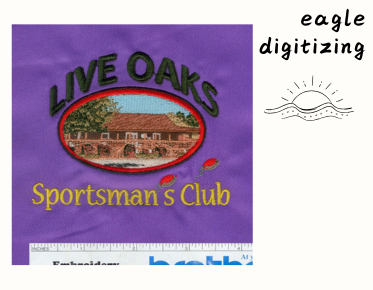
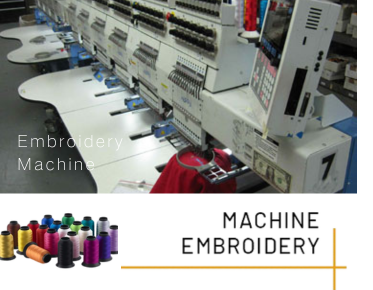
In today's digital age, technology plays a crucial role in embroidery design. Embroidery digitizing is the process of converting artwork into a digital file that an embroidery machine can read. This technology allows for precise and intricate designs that would be challenging to achieve by hand.
Benefits of Digitizing
Digitizing offers numerous benefits, including increased accuracy, consistency, and efficiency. It allows for the replication of designs with precision, ensuring that each piece is identical. Additionally, digitizing can save time and reduce errors, making it an invaluable tool for both hobbyists and professionals.
Choosing the Right Embroidery Digitizing Service
When it comes to digitizing, choosing the right service provider is crucial. Companies like Eagle Digitizing offer professional embroidery digitizing services that cater to a wide range of needs. With over 25 years of experience, Eagle Digitizing provides high-quality digitizing with a focus on precision and customer satisfaction.
Why Choose Eagle Digitizing?
Eagle Digitizing is renowned for its attention to detail and quick turnaround times. They offer a variety of services, including left chest logo digitizing, jacket back digitizing, and cap logo digitizing. Their commitment to quality and customer service makes them a preferred choice for many businesses and individuals.
Conclusion: The Future of Embroidery Design
As technology continues to evolve, the possibilities for embroidery design are expanding. From advanced digitizing techniques to innovative materials, the future of embroidery is bright and full of potential. Whether you're a hobbyist or a professional, staying informed about the latest trends and techniques can help you create beautiful and impactful designs. What new innovations will shape the future of embroidery? Only time will tell, but the journey promises to be exciting and full of creativity.