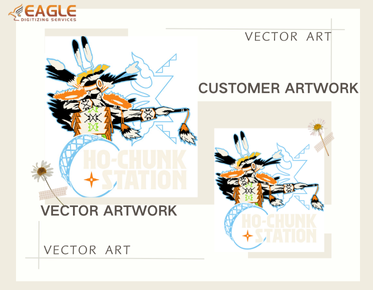
.png "embroidery digitizing")

How do digital embroidery files help reduce the production error rate?
The Shift from Manual to Digital Embroidery
For generations, embroidery was a labor-intensive craft reliant on the steady hands and trained eyes of artisans. While admirable, the manual approach often came with challenges: variable stitch quality, misaligned patterns, color inconsistencies, and frequent errors that led to wasted threads, rejected products, and dissatisfied clients. The arrival of digital embroidery digitizing solutions has revolutionized the industry, offering unmatched precision, repeatability, and reliability. Today, digital embroidery files serve as the backbone of modern textile production, streamlining processes, and significantly reducing the risk of costly mistakes from design transfer to final stitch-out.
What Are Digital Embroidery Files?
At the heart of automated embroidery lies the digital embroidery file—a software-generated instruction set that translates a designer's vision into precise machine movements. These files encode detailed information about stitch types, sequence, color changes, density, and even thread trims. Using dedicated digitizing software, artwork is meticulously converted into formats that modern embroidery machines can interpret and reproduce without deviation. From simple monograms on polos to detailed logos emblazoned on jackets, the foundation for high-quality embroidery starts with a well-crafted digital file.
How Digital Files Minimize Human Error
Manual embroidery, though artistic, is susceptible to fatigue, distractions, and minor hand inaccuracies that can snowball into production errors. Meanwhile, embroidery digitization codifies each design element, ensuring that stitches are placed with mathematical precision every time. The integrity of a digital file guarantees:
- Consistent results across multiple runs and batches, regardless of when or where the product is made.
- Accurate thread paths that minimize snags, gaps, and misalignments caused by manual reinterpretation.
- Automated color stops and trims that eliminate accidental thread changes and trimming mistakes, reducing rework.
- Elimination of guesswork, especially for complex patterns, as the digitized plan leaves no room for ambiguity.
With digital files, the margin for error shrinks considerably. Even a novice machine operator can achieve results rivaling seasoned hand embroiderers simply by loading the correct file and supervising the machine.
Reducing Production Errors at Every Step
From a holistic view, digital embroidery files enhance each phase of production:
1. Design Interpretation
Digitizing software acts as a universal translator for artwork—whether hand-drawn, vectorized, or painted. By encoding the necessary stitch types, angles, densities, and underlays right at the outset, every design maintains its integrity as it transitions from screen to fabric. Misinterpretations common in manual transfer—such as proportion distortions or missing elements—are no longer an issue.
2. Pre-Production Testing
Before going to bulk production, digital files can be tested and simulated within software or even run on sample garments. Virtual previews help identify potential puckering, thread breaks, or density issues before a single item is stitched. These checks catch mistakes early, reducing costly material waste and rework further down the line.
3. Automated Repetition
One of the strengths of digital files is their ability to reproduce flawless designs over hundreds or thousands of pieces. Each stitch is executed identically, from the first to the last item. For businesses that rely on brand consistency or need to fill bulk orders for uniforms, promo items, or retail, this reliability is crucial in upholding quality standards and reducing order returns linked to inconsistency.
4. Machine Optimization
Digitized embroidery files are often created with machine efficiency in mind. Optimal stitch routing, automatic thread trims, and swap points are embedded to reduce machine downtime and operator intervention. This leads to fewer mechanical mishaps, such as needle breaks or thread jams, which can otherwise introduce human error during urgent troubleshooting.
5. Version Control and Design Reuse
Another overlooked benefit is proper version tracking. Digital files can be stored, edited, and shared without loss in quality. If a client requests modifications, it’s simple to revise the digital artwork and test again, rather than starting over with a new manual transfer. This speeds up order repeats and ensures legacy product lines retain their original look and feel.
Real-World Cost and Impact of Error Reduction
For producers large and small, every error represents lost time, wasted material, and unnecessary cost. Before digitization, even minor corrections could mean hours spent picking out stitches or restarting a project from scratch. Today, with precise digitizing embroidery service, the frequency and severity of errors are slashed.
Production runs once burdened with high defect rates and manual oversight are now managed through streamlined workflows, often with remote approvals and digital sign-offs. A high-fidelity embroidery file pays dividends through:
- Higher first-pass yield—the number of products correctly embroidered on the first attempt
- Lower return and rejection rates due to product defects
- Confidence in color fastness and thread choices, as these are all pre-programmed
- Reduction in rework cycles and associated labor costs
The Role of Professional Digitizers
While software and automation are powerful, the human factor remains essential in crafting superior digital embroidery files. Expert digitizers blend technical knowledge with artistry, understanding fabric behaviors, machine quirks, and how to build files that avoid production pitfalls. They employ techniques like layering underlays for stability, adjusting densities for lighter or stretch fabrics, and plotting color changes to reduce visible starts or stops.
Businesses specializing in embroidery digitizing services bring this expertise to every file, ensuring optimal outcomes even for the most complex designs and large-scale orders.
Eagle Digitizing: A Case for Excellence in Error-Reduction
One standout provider in the industry, Eagle Digitizing, has demonstrated the value of expertise-driven digitization for more than 25 years. Their experienced team doesn't just create files—they rigorously test sew-outs, provide revisions at no extra cost, and maintain strict quality assurance protocols to deliver final products that run smoothly on any machine. This dedication ensures minimal thread breakage, consistent artwork precision, and ultra-fast delivery times for urgent orders.
Eagle Digitizing’s services are tailored for a vast array of clients—including promotional product suppliers, embroidery factories, local U.S. shops, and marketing agencies—and cover everything from left chest logos on polos to full jacket backs, specialty patch styles, and cap logos. Their commitment to perfection, fast turnarounds, and “customer is king” philosophy translates into peace of mind for any business reliant on flawless embroidery production.
Technology, Innovation, and the Ongoing Fight Against Errors
The future of embroidery continues to trend towards greater automation, cloud-based file management, and AI-driven digitizing for even finer error control. Advancements in software now offer predictive analytics—flagging potential issues before they ever reach a physical prototype. High-resolution file previews, multi-layer error correction, and smart thread simulations are quickly becoming industry standards for guaranteeing consistent excellence.
As the competitive stakes for custom apparel and branded merchandise rise, organizations that invest in robust digital file creation and management build a distinct edge, reducing risk while increasing product value.
Advice for Businesses Embracing Digital Embroidery Files
If your enterprise is moving towards digitized processes or refining its production workflow, consider a few best practices to maximize benefits and minimize errors:
- Invest in or partner with a trusted provider offering comprehensive digitizing and testing.
- Regularly review and update templates for recurring designs to align with new fabric types or machine models.
- Empower your team to cross-check digital previews, and when possible, run sample sew-outs before committing to high-volume runs.
- Organize and back up your digital library—version control safeguards against accidental overwrites or lost edits.
- Encourage feedback loops between end-users, machine operators, and digitizers to spot potential error sources and implement improvements.
Looking Ahead: The Evolving Promise of Digital Embroidery
The flawless, vibrant embroidery seen on today’s apparel, hats, and merchandise is testament to the power of digitization in reducing errors. As technology continues to evolve, designers and producers will benefit from even tighter integration between creative tools, digitizing software, and embroidery machinery—pushing error rates ever closer to zero.
How will AI integration, remote collaboration, and ever-smarter machines change the way we design, produce, and assure quality in custom textile products? For businesses seeking to lead, now is the time to evaluate their digital foundations, optimize workflows, and leverage professional partners in embroidery digitizing. Embarking on this journey doesn’t just reduce errors—it elevates every stitch, every time, setting a new standard for reliability and creativity in embroidery production.