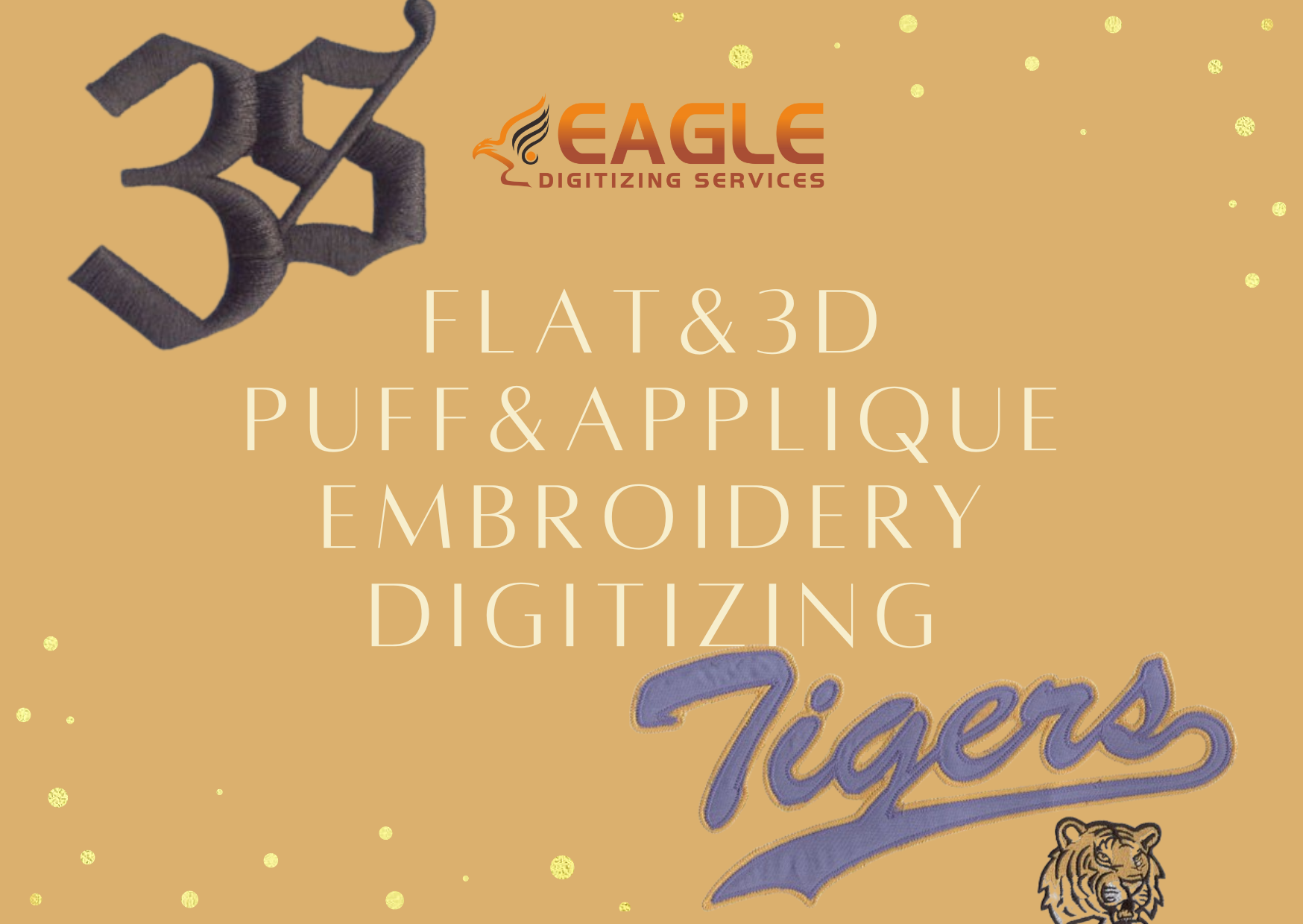

Auto Digitizing vs Manual Digitizing: Where the Real Differences Appear
In the world of embroidery, digitizing is a crucial process that transforms artwork into a format that embroidery machines can understand. This process can be accomplished through two primary methods: auto digitizing and manual digitizing. Each method has its own set of advantages and challenges, and understanding these differences is essential for anyone involved in the embroidery industry.
Understanding Auto Digitizing
Auto digitizing is a process where software automatically converts an image into an embroidery file. This method is often praised for its speed and efficiency, making it a popular choice for those who need quick results. The software analyzes the image and applies stitches based on preset parameters. This can be particularly useful for simple designs or when time is of the essence.
However, auto digitizing can sometimes lack the precision and customization that manual digitizing offers. The software may not always interpret complex designs accurately, leading to potential issues with stitch quality and design integrity. Despite these challenges, auto digitizing remains a valuable tool for many, especially when used in conjunction with manual adjustments.
The Art of Manual Digitizing
Manual digitizing, on the other hand, involves a skilled digitizer who meticulously converts the artwork into an embroidery file. This process allows for greater control over the final product, as the digitizer can make adjustments to ensure the design is optimized for embroidery. Manual digitizing is often preferred for intricate designs where detail and precision are paramount.
While manual digitizing can be more time-consuming and costly, the results often justify the investment. The ability to tailor each stitch to the specific needs of the design ensures a higher quality outcome, making it the preferred choice for high-end embroidery projects.
Choosing the Right Method
The decision between auto and manual digitizing ultimately depends on the specific needs of the project. For simple designs or when time is limited, auto digitizing can be an effective solution. However, for complex designs that require a high level of detail, manual digitizing is often the better choice.
It's also worth considering the capabilities of the digitizing software being used. Some advanced software options offer features that bridge the gap between auto and manual digitizing, providing a hybrid approach that leverages the strengths of both methods.
The Role of Professional Services
For those who may not have the time or expertise to handle digitizing in-house, professional digitizing services can be a valuable resource. Companies like Eagle Digitizing offer a range of services that cater to both auto and manual digitizing needs. With a team of skilled digitizers and a commitment to quality, they provide solutions that ensure the best possible results for any embroidery project.
Eagle Digitizing, for instance, has been a leader in the industry for over 25 years, offering services that include embroidery digitizing, 3D puff digitizing, and more. Their expertise in the field allows them to deliver high-quality results with a quick turnaround time, making them a trusted partner for businesses of all sizes.
Future Trends in Digitizing
As technology continues to evolve, the digitizing industry is likely to see further advancements that enhance both auto and manual digitizing processes. The integration of artificial intelligence and machine learning could lead to more sophisticated auto digitizing software that better understands complex designs. Meanwhile, manual digitizing will continue to benefit from improved tools and techniques that enhance precision and efficiency.
For businesses and individuals involved in embroidery, staying informed about these trends and advancements will be key to maintaining a competitive edge. Whether through investing in new software, partnering with professional digitizing services, or honing manual digitizing skills, the opportunities for growth and innovation in this field are vast.
Conclusion
The choice between auto and manual digitizing is not always straightforward, but understanding the strengths and limitations of each method can help guide the decision-making process. By leveraging the right tools and resources, and by staying attuned to industry trends, businesses can ensure they are well-equipped to meet the demands of the ever-evolving embroidery landscape.
.png "vector art service")